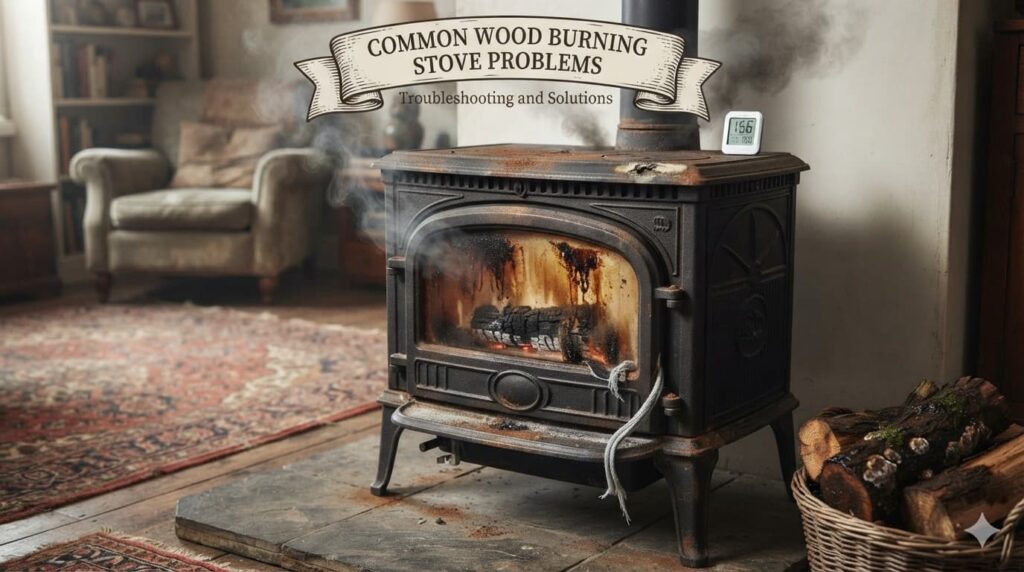
A wood burning stove is one of the most rewarding features a home can have, but like any appliance, it occasionally runs into problems. The good news is that most wood burning stove problems are straightforward to diagnose and fix, often coming down to fuel, maintenance, or a simple adjustment rather than anything serious. This guide from the team at Blue Oak Fireplaces walks through the most common issues Leicester homeowners run into, along with practical fixes for each.
Smoke Coming Back Into the Room

One of the most frustrating wood burning stove problems is smoke escaping into the room instead of drawing up the flue. This is usually caused by a cold flue, insufficient ventilation, or a blockage somewhere in the chimney. Opening a nearby window slightly before lighting the stove can help establish a proper draw, and burning a small amount of kindling first to warm the flue often solves the problem quickly. If smoke continues to be an issue, it’s worth getting in touch with our team to book a chimney sweep, since a blocked or narrowed flue is a common underlying cause.
Difficulty Getting the Fire to Light or Stay Lit
If your stove struggles to light or keeps going out, damp or unseasoned wood is often the culprit. Wet logs are much harder to ignite and burn far less efficiently, producing more smoke and less heat. Our wood burning stoves guide covers what properly seasoned fuel actually looks like, since switching to dry, well stored wood resolves this issue for most households almost immediately.
Glass Blackening Quickly
A stove door that blackens with soot within just a day or two of cleaning usually points to incomplete combustion, often caused by damp fuel or the air vents being left too closed during burning. Keeping air vents sufficiently open, especially during the initial lighting phase, allows the fire to burn hot enough to keep the glass clearer for longer. If the problem persists even with dry wood and proper ventilation, it may be worth having your stove checked, similar to the kind of routine check we recommend as part of gas fire servicing in Leicester for gas appliances.
The Stove Burns Too Fast or Too Slow
A stove burning through fuel unusually quickly, or struggling to maintain heat, often comes down to air control settings or flue draw. Too much air can cause fuel to burn rapidly without generating much lasting heat, while too little air can cause a sluggish, smouldering burn that produces more smoke and creosote. Adjusting air vents gradually and monitoring the response usually helps find the right balance for your specific appliance and chimney setup. Our surrounds page also shows how different stove and surround combinations can affect airflow and heat distribution around the room.
Cracked or Crumbling Firebricks

Firebricks line the inside of the firebox and protect the stove’s metal body from direct heat, but they naturally wear down over time and can crack or crumble, especially with heavy use. This is a normal part of stove ownership rather than a sign of a fault, though damaged firebricks should be replaced promptly to avoid damage to the appliance itself. Our log burners Leicester guide touches on this kind of routine wear as part of overall stove upkeep.
Worn Door Seals and Rope Gaskets
Over time, the rope seal around a stove door can compress, fray, or come loose, leading to reduced efficiency since air leaks in around the door rather than through the controlled vents. A simple way to check is the paper test, closing a piece of paper in the door and gently pulling it out; if it slides out too easily, the seal likely needs replacing. This is a routine part of an annual service, covered under our services page, and one of the easiest issues to fix.
Excessive Creosote and Tar Buildup
Creosote buildup inside the flue is one of the leading causes of chimney fires, and it tends to form more quickly when burning damp wood or running the stove on a low, smouldering burn for extended periods. Burning properly seasoned wood and allowing the stove to reach a good operating temperature both help reduce buildup significantly. This is particularly worth keeping on top of if your stove sits within a bespoke media wall, since soot and creosote marks are much harder to fully clean from a built in surround than a standalone appliance.
Downdraught and Windy Weather Problems
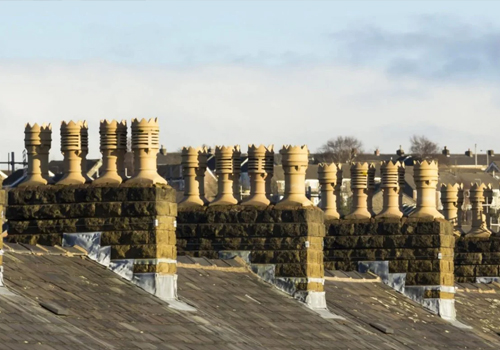
Strong winds can occasionally cause smoke to blow back down the chimney, particularly in exposed properties or homes with a shorter flue. This is usually more of an occasional nuisance than a serious fault, though a chimney cowl can sometimes help reduce the effect in particularly exposed locations. If downdraught happens consistently regardless of weather, it’s worth having the flue height and design assessed, something we check thoroughly during any fireplace installation survey.
Reduced Heat Output Over Time
If your stove seems to produce noticeably less heat than it used to, the cause is often a buildup of ash, soot, or a partially blocked flue restricting proper airflow. Regular cleaning and an annual professional service usually restore performance close to its original level. If reduced heat output continues despite good maintenance, it may be worth comparing your appliance against newer, more efficient models, something our gas vs wood burning fireplaces guide touches on when weighing up long term performance.
When a Problem Signals It’s Time for a Replacement
Not every issue can be fixed with routine maintenance. An older stove with a warped body, persistent smoke problems despite proper fuel and servicing, or repeated firebox damage may be reaching the end of its practical lifespan. In these cases, upgrading to a newer, more efficient model, or even switching fuel type entirely, is often the more sensible option long term. If you’d rather move away from solid fuel altogether, our electric fires range offers a genuinely low maintenance alternative worth considering.
Preventing Problems Before They Start
Many of the issues covered here are far easier to prevent than fix after the fact. Burning properly seasoned wood, keeping air vents adjusted correctly, and booking annual servicing all go a long way toward avoiding the majority of common wood burning stove problems altogether. Our full range of services covers everything from chimney sweeping to full appliance servicing, helping keep your stove running safely and efficiently year round.
Local Fireplace Ideas for Leicester, Syston and Leicestershire Homes
A fireplace showroom helps you see real scale, flame effect, finish quality and material choices. At Blue Oak Fireplaces in Syston, Leicester, homeowners can explore electric fires, gas fires, stoves, media walls and fireplace surrounds with guidance from an experienced team. The goal is not just to choose a good-looking fire, but to choose one that fits the room, performs well and feels right long term.
If you are unsure about size, bring measurements, room photos and any ideas you already like. This makes it easier to compare options and understand whether your room is better suited to an electric fireplace, gas fire, wood-burning stove, multi-fuel stove or bespoke media wall.
Final Thoughts
Most wood burning stove problems come down to fuel quality, air control, or routine maintenance rather than anything seriously wrong with the appliance itself. Understanding what’s normal wear versus what needs attention helps you catch small issues before they become bigger, more costly problems. If you’re experiencing a persistent issue with your stove or want advice on whether it’s time for an upgrade, contact our team or visit our showroom to see the latest models in person.
Frequently Asked Questions
Why does my wood burning stove smoke into the room?
This is usually caused by a cold flue, poor ventilation, or a blockage in the chimney. Warming the flue with kindling before adding larger logs and ensuring the room has adequate ventilation often resolves the issue, though a chimney sweep may be needed if the problem continues.
Why does my stove glass keep turning black?
Blackened glass usually points to incomplete combustion, often from damp wood or air vents being left too closed. Burning properly seasoned wood and keeping air vents sufficiently open, especially when lighting the fire, generally keeps the glass clearer for longer.
How often should firebricks be replaced?
Firebricks wear down naturally over time and should be replaced whenever they become cracked or crumbling, since this is a normal part of stove maintenance rather than a fault. Frequency depends on how often the stove is used.
What causes excessive creosote buildup?
Creosote builds up more quickly when burning damp wood or running the stove on a low, smouldering burn for long periods. Burning dry, seasoned wood and maintaining a good operating temperature both help reduce buildup significantly.
Is it normal for a stove to produce less heat over time?
Reduced heat output is often caused by ash buildup, soot, or a partially restricted flue rather than a fault with the stove itself. Regular cleaning and annual servicing usually restore performance close to its original level.
When should I consider replacing my stove instead of repairing it?
If your stove has a warped body, persistent smoke issues despite good maintenance, or repeated firebox damage, it may be reaching the end of its practical lifespan, and upgrading to a newer, more efficient model is often the more sensible long term option.