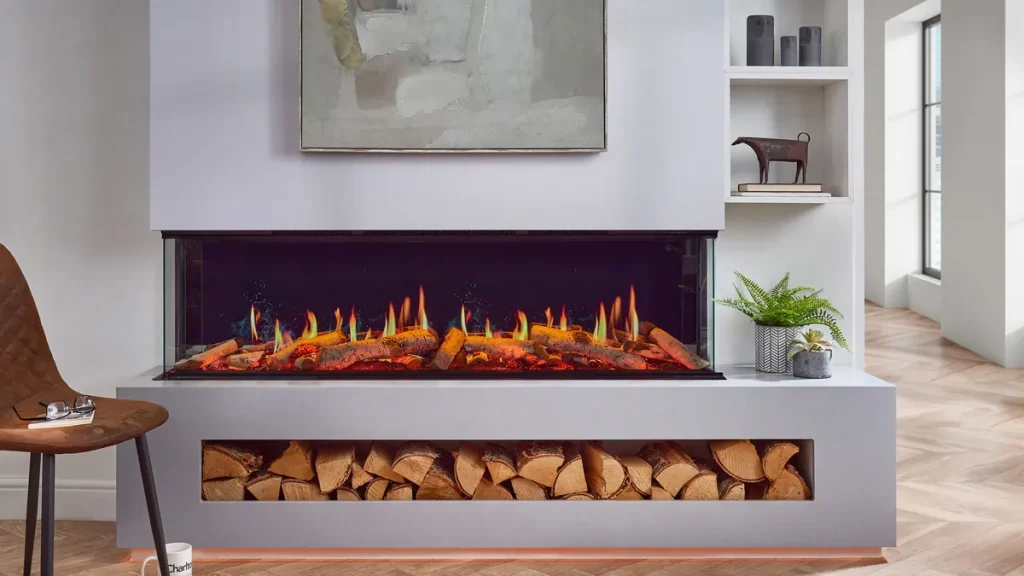
A log burner can change the character of a room in a way very few other upgrades can. It adds visible flame, a sense of ritual and a more grounded kind of warmth that many Leicester homeowners still love, especially in older homes, village properties and family spaces where atmosphere matters as much as output. But buying a stove is not simply a style decision. It involves fuel choice, installation standards, chimney or flue planning, servicing and a realistic understanding of how you will use it.
Because there is so much misinformation online, many buyers begin with the wrong assumptions. Some think all stoves are effectively the same. Others worry that wood burning is no longer allowed. The truth is more practical than either extreme. This guide explains how to choose a log burner sensibly, what rules matter now and how to plan a Leicester installation that is safe, compliant and worth the investment.
Why buyers still choose log burners
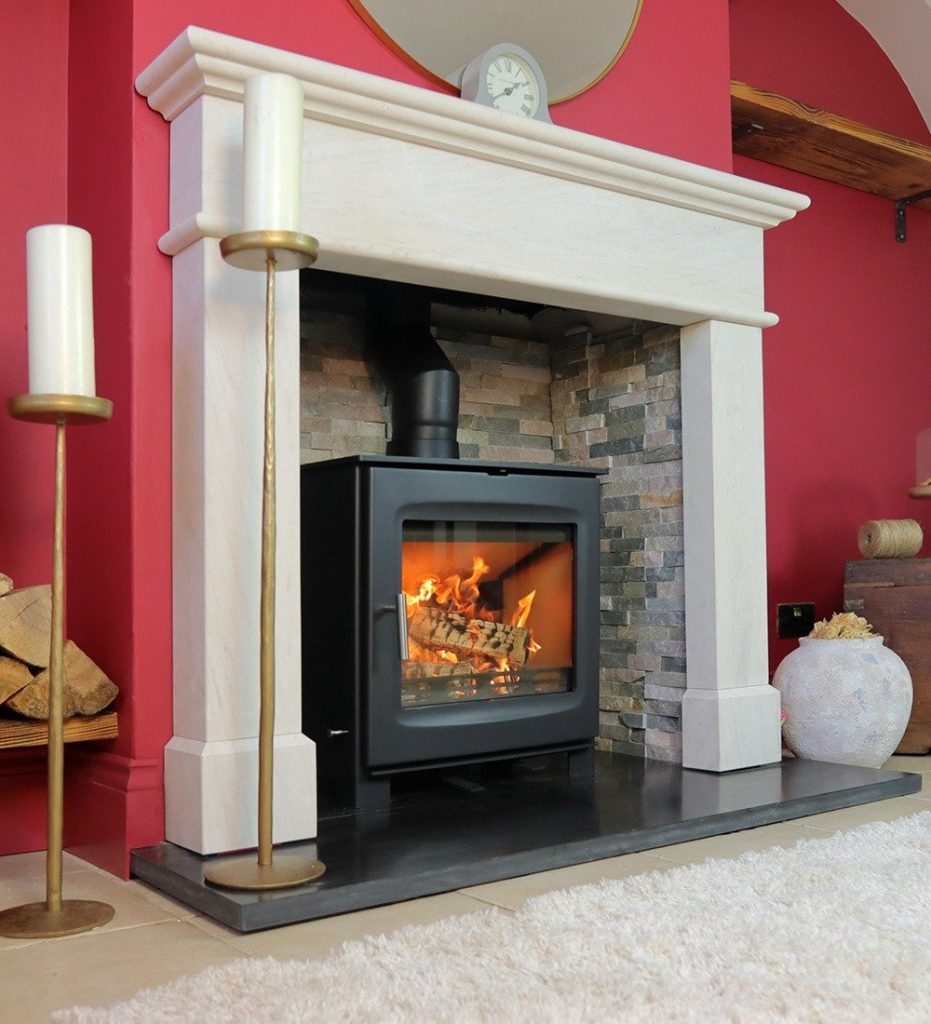
A log burner offers a type of experience that is hard to replicate with other appliances. There is the visual depth of a live flame, the ritual of lighting and refuelling, and the feeling of a room gathering around one warm point. In Leicester and the wider Midlands, that appeal remains strong, especially in older homes and in spaces where homeowners want warmth with personality.
That said, a stove works best when the owner genuinely wants the lifestyle that comes with it. Stoves reward good fuel, correct operation and regular care. They are not set and forget products in the same way an electric fire can be. Buyers who understand that often get much more satisfaction from their investment.
What buyers often overlook
Many homeowners focus heavily on the front view of the appliance and not enough on the full project. Surrounding finishes, floor protection, cable routes, servicing access, heat expectations and future maintenance all affect satisfaction after installation. Choosing the right supplier is often less about who has the widest catalogue and more about who asks the most useful questions before you buy.
It also helps to think about how the fireplace will look when it is off. A good installation should still enhance the room in daylight, not rely only on night time ambience to justify the investment.
How to choose the right stove size and style
Bigger is not always better. Oversized stoves can overheat a room and lead to poor burning habits as owners try to reduce output too aggressively. Choosing a stove that suits the volume of the room and the intended use is more important than chasing the largest firebox. The external style matters too. Some homes suit a traditional cast iron look, while others need a cleaner contemporary form.
You should also think beyond the appliance itself. The hearth, beam, recess finish and any chimney breast treatment shape how the whole installation feels. A modest stove within a beautifully finished recess often looks more convincing than an expensive stove dropped into an unfinished opening.
Installation and maintenance realities
A proper survey is essential. The chimney may need lining, the hearth may need adjustment and the route for ventilation or a twin wall flue may affect where the stove can go. Once installed, the stove should be used with the correct fuel and maintained properly. Regular sweeping and annual checks help performance and reduce risks.
Good operation matters as much as good installation. Wet wood, poor air control and neglecting maintenance can all undermine efficiency and enjoyment. The best outcomes come when the stove, fuel and user habits all work together.
Current rules and what they mean in practice
Modern buyers should be aware of current UK rules, but there is no need for panic. In smoke control areas, homeowners need to follow local restrictions and use suitable appliances and fuels. New stoves sold in recent years are expected to meet cleaner Ecodesign standards, and properly seasoned small volume wood sales in England fall under Ready to Burn rules. In practice, this means choosing a compliant appliance, using the correct fuel and operating it responsibly.
When a log burner is the wrong choice
A stove may not suit every home. If you want instant heat with very little maintenance, a gas or electric fire may be easier. If fuel storage is inconvenient or you are unlikely to keep up with servicing, a stove can become more hassle than pleasure. Choosing a fireplace should be about fit, not fashion, and sometimes the smartest decision is recognising that another option serves the room better.
Rules and compliance to keep in mind
If you are considering a stove in Leicester, always check whether your property falls within a smoke control area and choose a suitable appliance and fuel accordingly. Current UK rules still allow modern wood burning stoves, but buyers should understand cleaner burning requirements, use Ready to Burn fuel where relevant and follow professional installation guidance. Staying compliant is less about avoiding stoves and more about choosing and operating them properly.
Why Visit Fireplaces Leicester Showroom?
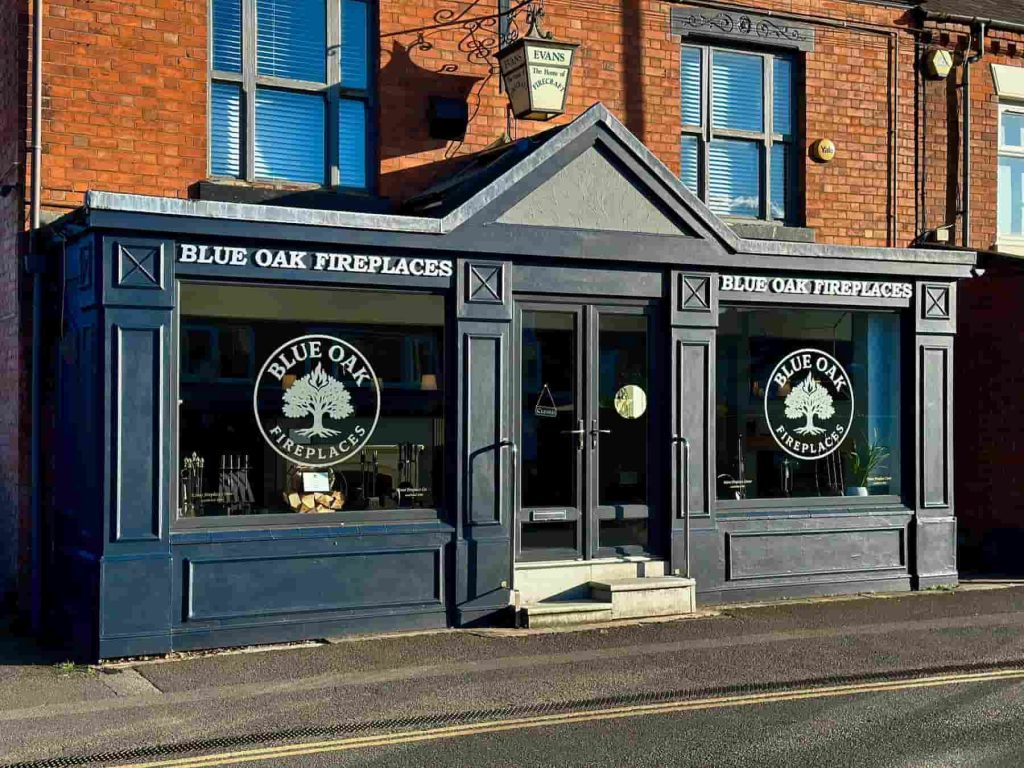
A fireplace showroom helps you see real scale, flame effect, finish quality and material choices. At Blue Oak Fireplaces in Syston, Leicester, homeowners can explore electric fires, gas fires, stoves, media walls and fireplace surrounds with guidance from an experienced team. The goal is not just to choose a good-looking fire, but to choose one that fits the room, performs well and feels right long term.
If you are unsure about size, bring measurements, room photos and any ideas you already like. This makes it easier to compare options and understand whether your room is better suited to an electric fireplace, gas fire, wood burning stove, multi-fuel stove or bespoke media wall.
Frequently asked questions
How do I choose the right option for log burner Leicester?
Start with the room size, the visual style you want, the level of installation work you are comfortable with and how much ongoing maintenance you are willing to take on. The right answer is usually the one that balances design and practicality.
Is it worth visiting a local supplier before buying online?
Yes. Seeing scale, finish quality and flame effect in person often changes the buying decision. A showroom visit or site survey can prevent expensive mistakes.
What should I ask before placing an order?
Ask what is included in the price, who handles installation, what lead times apply, what certifications matter and what aftercare or servicing will be needed once the project is complete.
Common mistakes to avoid
One of the biggest mistakes buyers make is choosing based on inspiration photos alone. A project that looks impressive online can feel completely wrong in a real room if the proportions are off, the finish quality is inconsistent or the installation details have not been thought through. Before ordering, check the full width, depth and visual impact of the chosen product in relation to your space.
Another common issue is underestimating the importance of aftercare. Every fireplace type has some form of upkeep, whether that means periodic servicing, cleaning glass, reviewing fuel quality or simply understanding the controls properly. A better purchase decision usually comes from asking how the fireplace will fit daily life once the novelty of the installation has passed.
Final thoughts
The best decision is rarely the one that looks most impressive in isolation. It is the one that suits the room, aligns with your budget honestly and still feels practical after installation. Whether you are comparing log burners Leicester, planning a renovation or narrowing down your shortlist, taking a little more time at the research stage usually leads to a better long term result.
If you are publishing this on a business website, add a short editorial note from your team, include links to relevant service pages and keep the article updated when pricing, regulations or product trends change. Fresh, useful local content tends to perform better over time than generic copy that is never revisited.