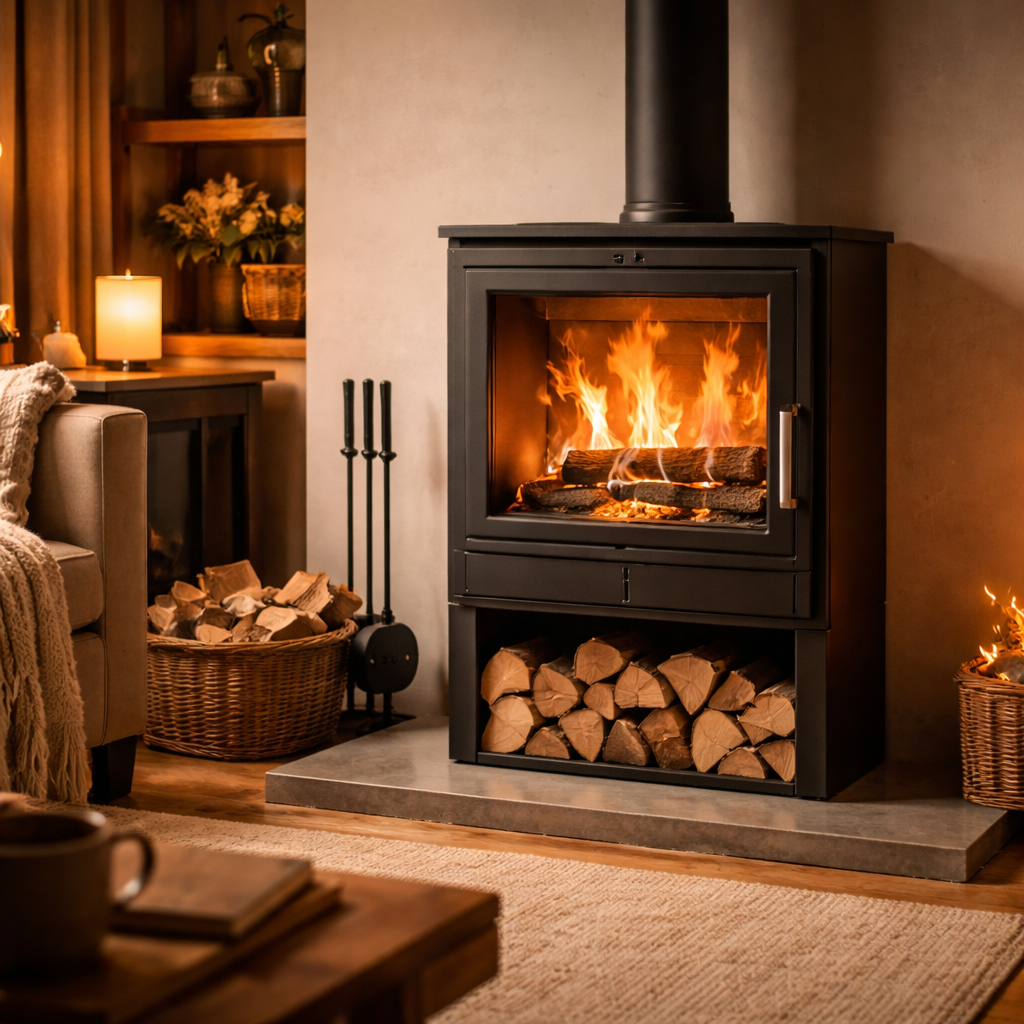
Fireplace installation is the point where inspiration has to become practical. A design may look simple on a showroom floor or in a social media post, but every real home brings its own constraints. Room dimensions, existing chimney condition, ventilation, gas supplies, electrical access, wall structure and the finish around the appliance all affect what can be done and how much it is likely to cost.
For Leicester homeowners, the smartest approach is to understand the installation journey before committing to a product. That helps you budget more accurately, compare quotes on a like-for-like basis and avoid delays caused by missing prep work. This article explains how installation usually works from first survey to final sign-off, and it shows where good planning can save both money and frustration.
Choosing Between Electric Fires, Gas Fires and Stoves
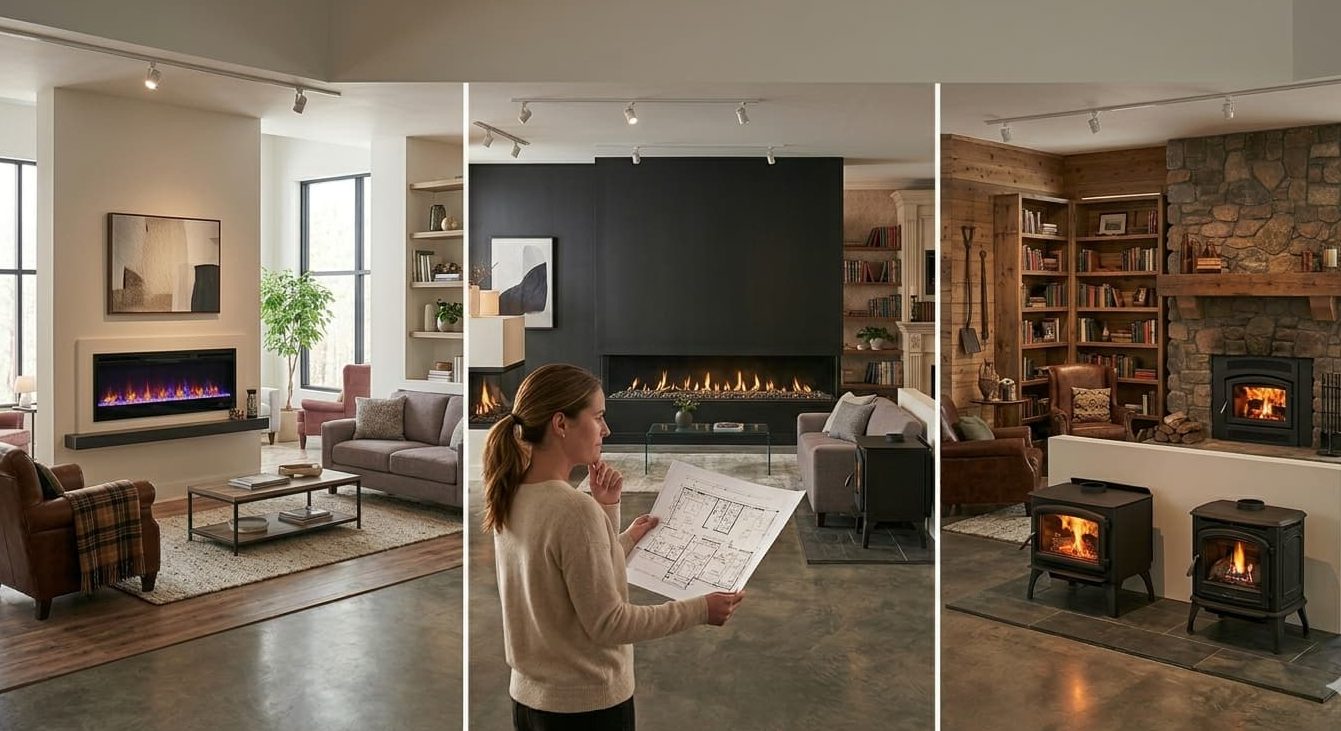
The right fire type depends on your room size, property type and lifestyle. Electric fires are popular for modern homes, media walls and rooms without a working chimney. They are flexible, easy to control and often suitable where a traditional fireplace is not practical.
Gas fires are a strong option for homeowners who want instant heat, realistic flames and convenience. They work well in many living rooms, but they must be installed and serviced correctly by qualified professionals. Wood-burning stoves and multi-fuel stoves create a traditional, cosy focal point and can be very effective in the right room, but they require suitable flue planning, maintenance and fuel consideration.
Choose Right Fireplace Width, TV Height and Seating Position
Many homeowners choose a fireplace before thinking about how the room will actually be used. If your TV will sit above the fireplace, make sure the screen is not too high. If your sofa is close to the fire, avoid a fireplace that pushes too far into the room. If the main seating is at an angle, ensure the flame view still looks natural from where people relax.
For media walls, the width of the electric fires should complement the TV and the surrounding wall. A very wide fire below a small TV can look unbalanced. A small fire below a huge screen can feel weak. The best media wall fireplace designs feel built in, measured and intentional.
The typical installation journey
Most projects start with a conversation about the room and the product, but the real detail emerges at survey stage. Installers need to understand wall construction, existing chimney condition, power access, gas supply and the intended finish around the appliance. That information determines whether the chosen product is suitable as planned or whether adjustments are needed.
After survey and specification, the order is usually placed and the installation date scheduled around product lead times and any preparatory building work. Depending on the project, installation may be a straightforward one day fit or part of a longer renovation involving joinery, plastering and decoration.
Why quotes can vary so much
Two quotes for what appears to be the same fireplace can differ because they may not include the same scope. One may cover appliance fitting only, while another includes making good, surround installation, electrical preparation or disposal of an old fire. This is why the cheapest quote is not always the lowest real cost.
Ask every installer to break down what is included. Clarify whether certificates are included where relevant, whether a second visit may be required for finishing and what assumptions have been made about the existing structure.
Which certifications matter
Certification depends on the type of appliance. Gas work must be carried out by a Gas Safe registered engineer. Stove installations should be carried out in line with the relevant solid fuel requirements and are often handled by specialist installers. The practical takeaway for homeowners is simple: always use the right qualified professional for the appliance being installed.
You should also ask what paperwork you will receive on completion. Good documentation supports safety, future servicing and, if you sell the property later, confidence for potential buyers.
How to prepare your room before installation
Clear access, protect furniture and confirm whether decorators, electricians or builders need to attend before or after the fireplace fit. In media wall projects especially, timing matters. A fire may need to be installed in coordination with studwork, cabling and plastering, so one trade cannot simply arrive after another without a plan.
It also helps to decide early on whether you want the fireplace to be the main event or part of a wider room scheme. That influences materials, wall colours, storage choices and lighting.
How to choose the right Leicester installer
Look for clarity rather than sales pressure. A good installer or supplier should ask sensible questions about the room, explain constraints and guide you away from products that are the wrong fit. Reviews, showroom quality and aftercare all matter, but so does how well they explain the process. Installation is technical work. If a quote feels vague now, it may feel more problematic once the job begins.
Why Visit Blue Oak Fireplaces Before Choosing
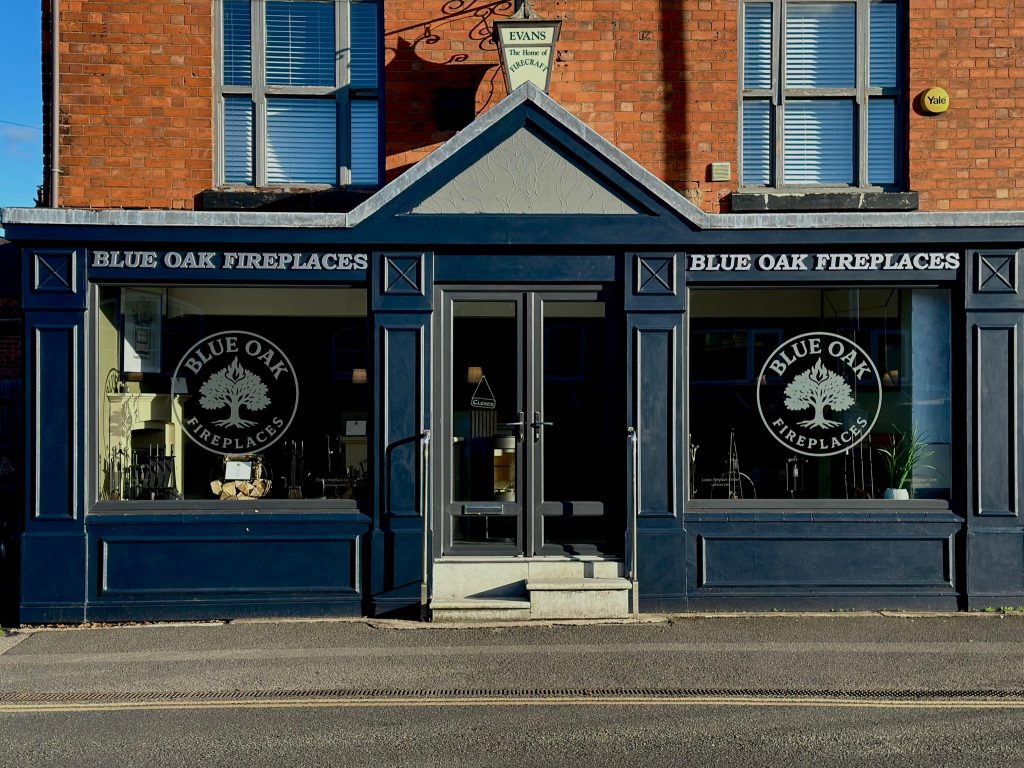
Seeing fireplace surrounds in person can make the decision much easier. Photos help with inspiration, but they do not always show true scale, depth, finish quality or flame effect. At Blue Oak Fireplaces, homeowners can explore fires, fireplaces, stoves, media walls and surrounds with expert advice from a team that understands both design and installation.
Blue Oak Fireplaces is based in Syston, Leicester, with a 3-storey showroom at 1159 Melton Road, Syston, Leicester, LE7 2JS. Visiting the showroom helps you compare materials, styles and fireplace types before committing to a design for your home
Frequently asked questions
How do I choose the right option for fireplace installation Leicester?
Start with the room size, the visual style you want, the level of installation work you are comfortable with and how much ongoing maintenance you are willing to take on. The right answer is usually the one that balances design and practicality.
Is it worth visiting a local supplier before buying online?
Yes. Seeing scale, finish quality and flame effect in person often changes the buying decision. A showroom visit or site survey can prevent expensive mistakes.
What should I ask before placing an order?
Ask what is included in the price, who handles installation, what lead times apply, what certifications matter and what aftercare or servicing will be needed once the project is complete.
When this article is published, add a short local paragraph about your Leicester service area, showroom coverage or installation availability. That can help align the content more closely with local intent and improve conversion potential.
Common mistakes to avoid
One of the biggest mistakes buyers make is choosing based on inspiration photos alone. A project that looks impressive online can feel completely wrong in a real room if the proportions are off, the finish quality is inconsistent or the installation details have not been thought through. Before ordering, check the full width, depth and visual impact of the chosen product in relation to your space.
Another common issue is underestimating the importance of aftercare. Every fireplace type has some form of upkeep, whether that means periodic servicing, cleaning glass, reviewing fuel quality or simply understanding the controls properly. A better purchase decision usually comes from asking how the fireplace will fit daily life once the novelty of the installation has passed.
Final thoughts
The best decision is rarely the one that looks most impressive in isolation. It is the one that suits the room, aligns with your budget honestly and still feels practical after installation. Whether you are comparing fireplace installation Leicester, planning a renovation or narrowing down your shortlist, taking a little more time at the research stage usually leads to a better long term result.
If you are publishing this on a business website, add a short editorial note from your team, include links to relevant service pages and keep the article updated when pricing, regulations or product trends change. Fresh, useful local content tends to perform better over time than generic copy that is never revisited.