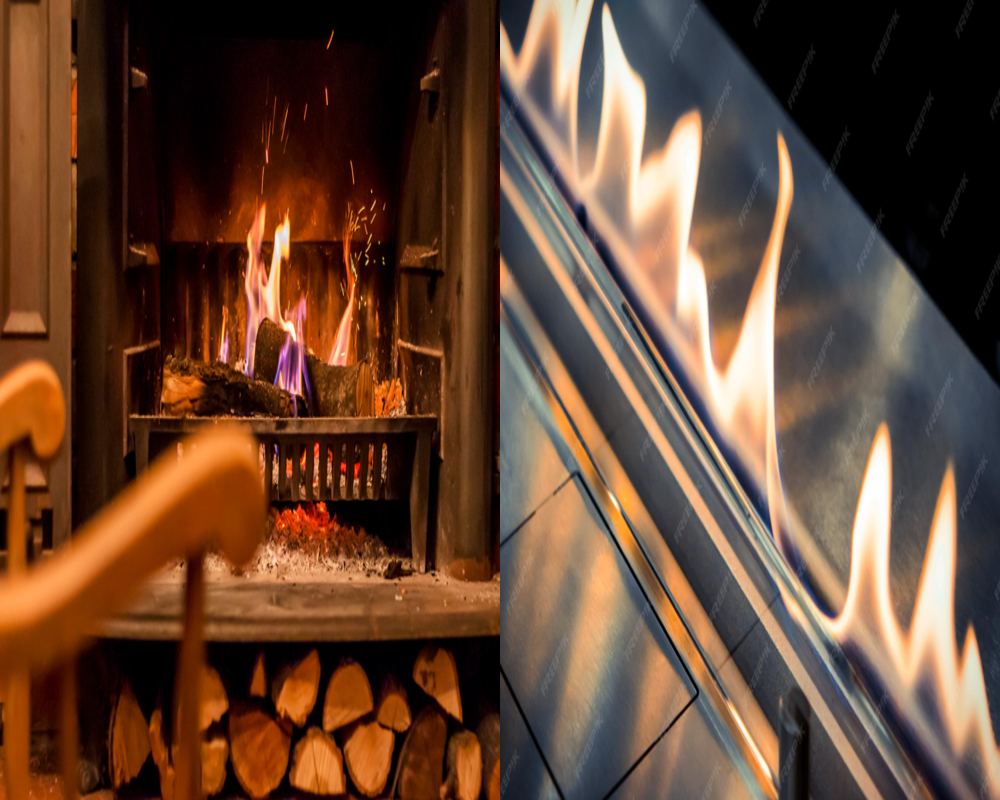
When choosing a fireplace for your home, one of the most common decisions homeowners face is gas vs wood burning fireplaces. Both options provide warmth, ambience, and a focal point for your living space, but they differ significantly in terms of installation, maintenance, efficiency, and overall experience.
In this guide, we’ll explore the key differences between gas fireplaces and wood-burning fireplaces to help you determine which option is best suited for your home and lifestyle.
Quick Answer: Is a Gas or Wood Fireplace Better?
For most modern homes, a gas fireplace is better if you want convenience, cleaner operation, predictable heat output and low maintenance. A wood-burning fireplace, log burner or wood stove may be better if you prefer a traditional flame, natural firewood, strong radiant heat and the classic sound and smell of burning logs. The best choice depends on whether you value ease of use, running costs, environmental impact, installation requirements or the authentic feel of a real wood fire.
The Appeal of Wood-Burning Fireplaces
For many people, nothing compares to the traditional charm of a wood-burning fireplace. The crackling sound of logs, the smell of burning wood, and the authentic flames create a cosy atmosphere that many homeowners love.
Wood fireplaces are often associated with classic homes, cottages, and traditional interiors. They provide a natural and rustic aesthetic that gas fireplaces cannot fully replicate.
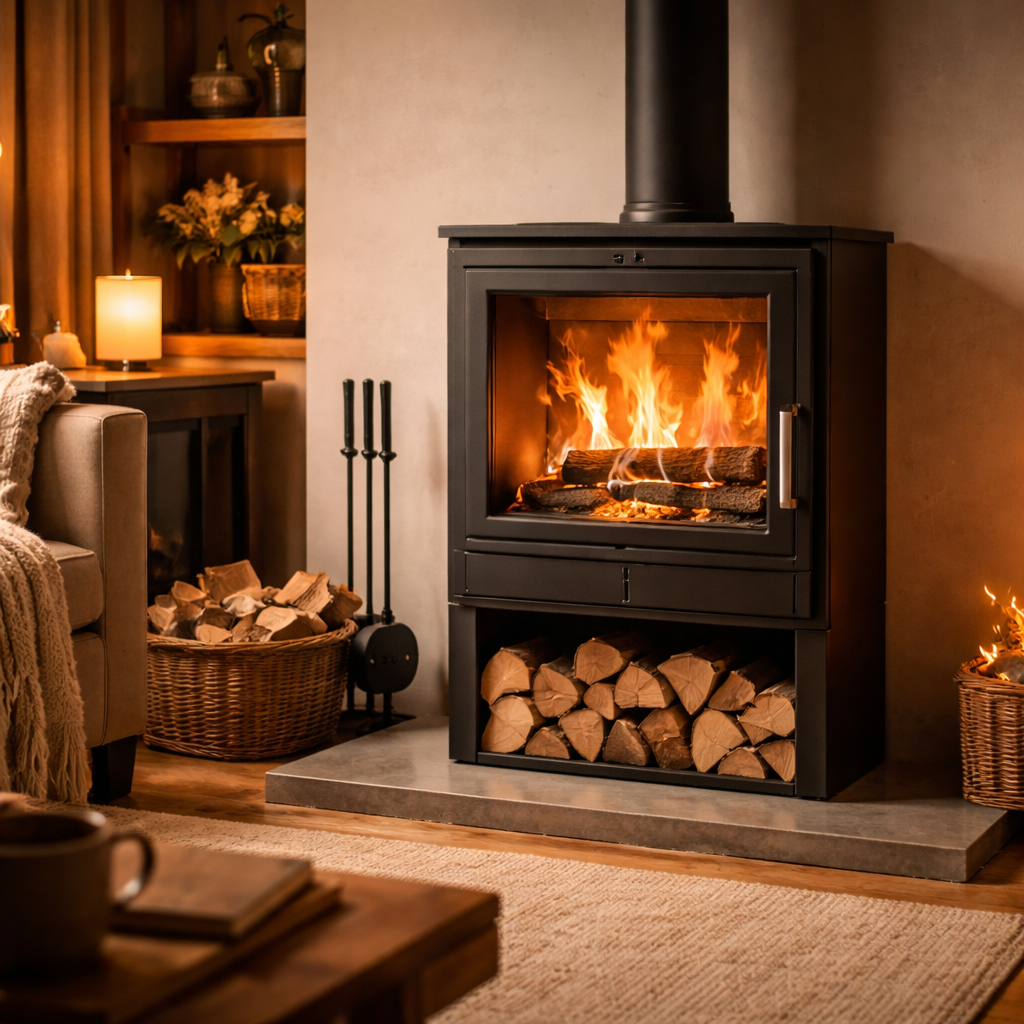
However, owning a wood-burning fireplace also comes with responsibilities. You must store firewood, clean ash regularly, and schedule chimney maintenance to ensure safe operation. Without proper maintenance, creosote buildup can pose a fire hazard.
Despite these considerations, many homeowners still choose wood fireplaces because of the authentic experience and natural heat they provide.
Wood Burner, Log Burner or Wood Stove: What Do These Terms Mean?
Many homeowners compare a gas fire vs a wood burner, a log burner vs a gas fire, or a wood burning stove vs gas fireplace when researching fireplace options. In simple terms, a wood burner, log burner and wood stove usually refer to a closed appliance designed to burn seasoned wood logs efficiently. A traditional open wood fireplace is different because it is more open to the room and often loses more heat through the chimney.
If you already have an existing fireplace opening, you may be able to consider an in-fireplace wood stove or wood stove for fireplace installation, depending on the chimney, hearth, flue and building requirements. A professional survey is important before installing any wood stove in a fireplace.
The Convenience of Gas Fireplaces
When comparing gas vs wood-burning fireplaces, convenience is where gas fireplaces truly stand out.
Gas fireplaces operate with natural gas or propane and can usually be turned on with the push of a button or remote control. This eliminates the need to chop wood, light fires manually, or clean up ashes.
Modern gas fireplaces are also designed with efficiency in mind. Many models provide consistent heat output and can warm a room quickly without requiring constant attention.
Additionally, gas fireplaces produce fewer emissions than wood-burning options, making them a more environmentally friendly choice in many cases.
For homeowners who want the ambience of a fireplace without the maintenance, gas fireplaces offer a simple and practical solution.
Gas Fireplace Pros and Cons
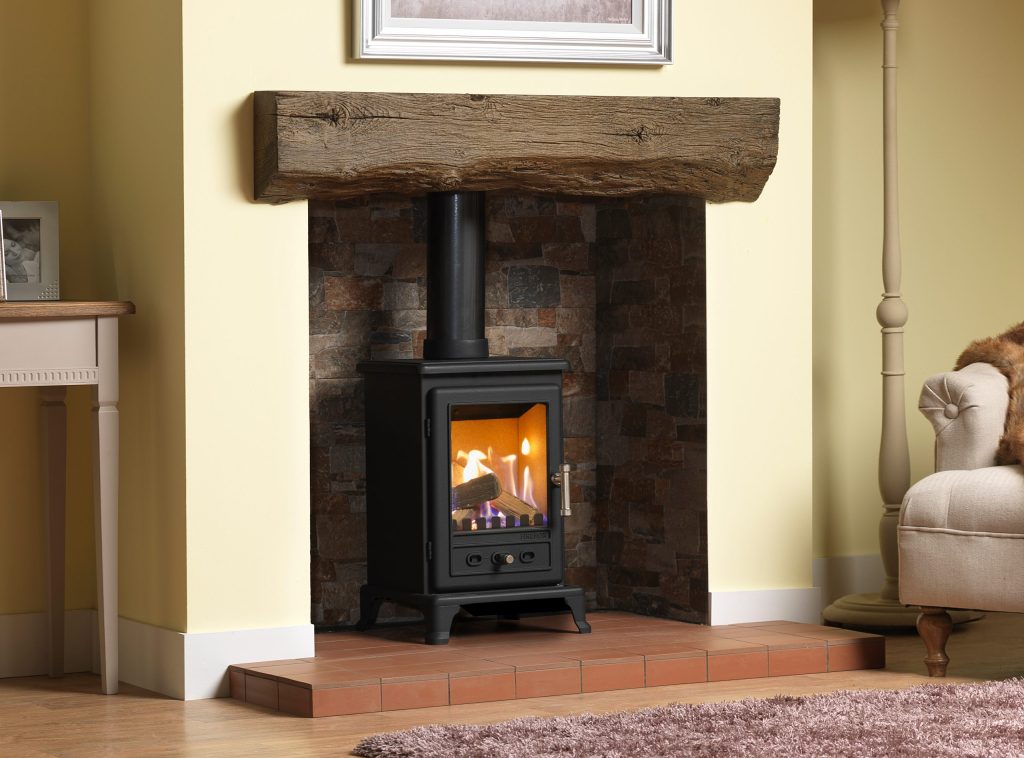
The main pros of a gas fireplace are instant heat, simple controls, no ash, no firewood storage, realistic flame effects and easier day-to-day use. Gas fireplaces can also be a practical option for homeowners who want warmth and atmosphere without the work involved in a wood fire.
The main cons of a gas fireplace are that it does not offer the same natural crackle, smell or ritual of a real wood burning fire. It also depends on access to natural gas or LPG, and installation must be completed by a qualified professional where gas work is involved.
Pros and Cons of a Wood-Burning Fireplace
The pros of a wood-burning fireplace include authentic flames, strong visual appeal, a traditional atmosphere and the ability to use logs or other suitable wood fuel where permitted. For many homes, a wood fire creates a cosy feature that is hard to replicate.
The cons of a wood-burning fireplace include ash cleaning, log storage, chimney sweeping, smoke, higher maintenance and the need to use properly seasoned or approved fuel. Open wood fireplaces can also be less efficient because heat may escape through the chimney.
Installation Differences
Another important factor when considering gas vs wood-burning fireplaces is installation.
Wood burning fireplaces typically require a full chimney system and proper ventilation. Installing a traditional fireplace can be more complex and expensive, especially if your home does not already have a chimney.
Gas fireplaces, on the other hand, are often easier to install. Many modern models use direct vent systems that can be installed through an exterior wall rather than requiring a full chimney.
Because of this flexibility, gas fireplaces are frequently chosen for new homes, renovations, and modern living spaces.
Completely New Installation: What Should Homeowners Consider?
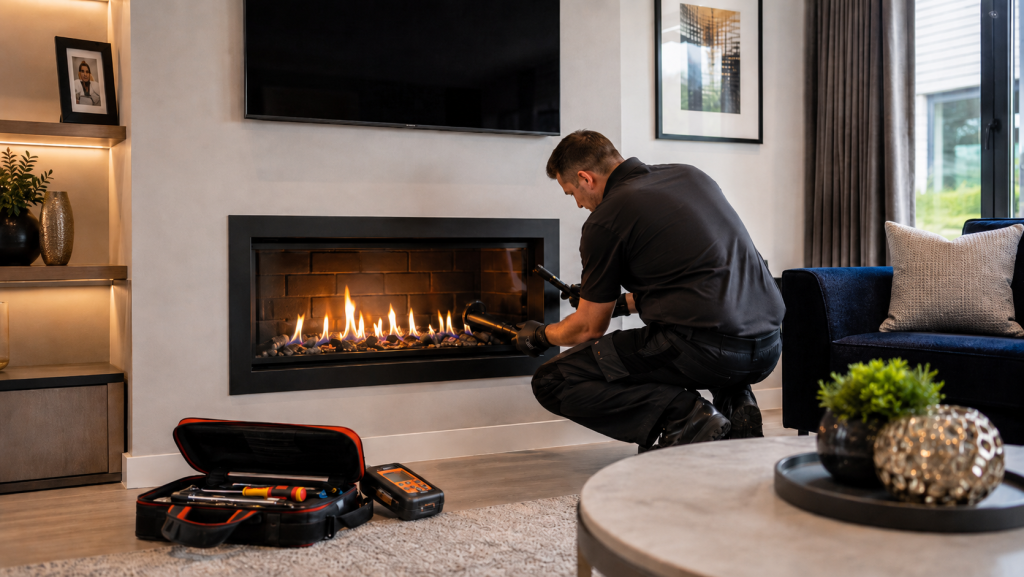
For a completely new installation, the cost and complexity will depend on the fireplace type, the room layout, the existing chimney or flue, ventilation, hearth requirements, wall construction and the finish you want around the fireplace. This is why searches such as “cost to install a fireplace,” “how much does it cost to put a fireplace in your house,” and “how much to install fireplace in house” can have different answers for every property.
A new gas fireplace may need gas supply work, a suitable flue route, fire surround work and professional commissioning. A new wood-burning fireplace or wood stove installation may need a chimney, flue liner, hearth, ventilation checks and compliance with safety requirements. A showroom consultation and site survey can help identify the most suitable option before you commit to a fireplace, gas and wood burning comparison.
Maintenance Requirements
Maintenance is one of the biggest differences between gas and wood fireplaces.
Wood-burning fireplaces require regular cleaning to remove ash and soot. Chimneys must also be inspected and cleaned periodically to prevent creosote buildup and ensure safe operation.
Gas fireplaces require far less upkeep. While they should still be serviced annually by a professional, there is no ash to remove or wood to store.
For homeowners looking for a low-maintenance heating option, gas fireplaces are often the preferred choice.
Safety and Health Risks of Wood Burning Stoves
Safety should be part of every gas or wood fireplace decision. Wood burning stoves and open wood fires can create smoke and fine particles if the appliance, chimney or fuel is not suitable. Using dry, properly seasoned wood, keeping the flue clean and arranging regular inspections can help reduce risk.
Gas fireplaces also need safe installation, proper ventilation and regular servicing. Carbon monoxide alarms are recommended in homes with fuel-burning appliances. Whether you choose a gas fireplace, wood stove, log burner or open fireplace, professional installation and maintenance are essential for safe performance.
Heating Efficiency

Efficiency is another important consideration when comparing gas vs wood-burning fireplaces.
Gas fireplaces typically provide more consistent heat output and better energy efficiency. Many models allow you to control the flame level and temperature, making it easier to maintain a comfortable indoor environment.
Wood fireplaces, while capable of producing strong heat, can be less efficient because much of the heat escapes through the chimney.
However, modern wood-burning stoves and inserts have improved significantly in efficiency and can provide effective heating when used properly.
Gas vs Wood Fireplace Heat Output
When comparing gas vs wood fireplace heat output, gas fires often provide more predictable and controllable warmth. You can usually adjust the flame or heat level, which makes it easier to manage comfort in a living room.
A wood-burning stove or log burner can produce powerful radiant heat, especially when burning good-quality seasoned logs. However, heat output can vary depending on the stove size, the fuel, the airflow and how the fire is managed. An open wood fireplace may feel atmospheric, but it can lose a significant amount of heat through the chimney.
Cost Considerations
The cost of installing and operating a fireplace varies depending on the type you choose.
Wood-burning fireplaces may have higher installation costs due to chimney construction and ventilation requirements. However, firewood can sometimes be cheaper than gas, depending on your location.
Gas fireplaces generally have lower installation complexity and provide predictable fuel costs through natural gas or propane.
When deciding between gas vs wood-burning fireplaces, it’s important to consider both upfront installation costs and long-term operating expenses.
Compare LPG and Wood as Fuels
Some homes compare LPG and wood as fuels, especially where mains gas is not available. LPG can be convenient, clean-burning and easy to control when used with a suitable gas appliance, but the running cost depends on LPG prices and supply arrangements.
Wood can be cost-effective if you have access to quality seasoned logs or heat logs, but it requires storage space and regular handling. Heat logs vs wood is another useful comparison: heat logs can be convenient and consistent, while natural logs may offer a more traditional fire experience. The best domestic fuel depends on availability, appliance type, storage, budget and personal preference.
Gas vs Wood Fireplace Environment
Environmental impact is another important part of the gas vs wood fireplace comparison. Gas fireplaces usually produce fewer visible particles than open wood fires, while wood burning depends heavily on the appliance, fuel quality and how the fire is used. Burning wet or unsuitable wood can create more smoke and pollution.
A modern, efficient wood stove, used with approved dry fuel, can perform better than an old open fire. However, a gas fireplace may still be preferred by homeowners who want a cleaner, lower-maintenance option with less smoke, ash and fuel storage. For the most responsible choice, consider efficiency ratings, local rules, proper installation and regular servicing.
Visit Blue Oak Fireplaces Before Choosing
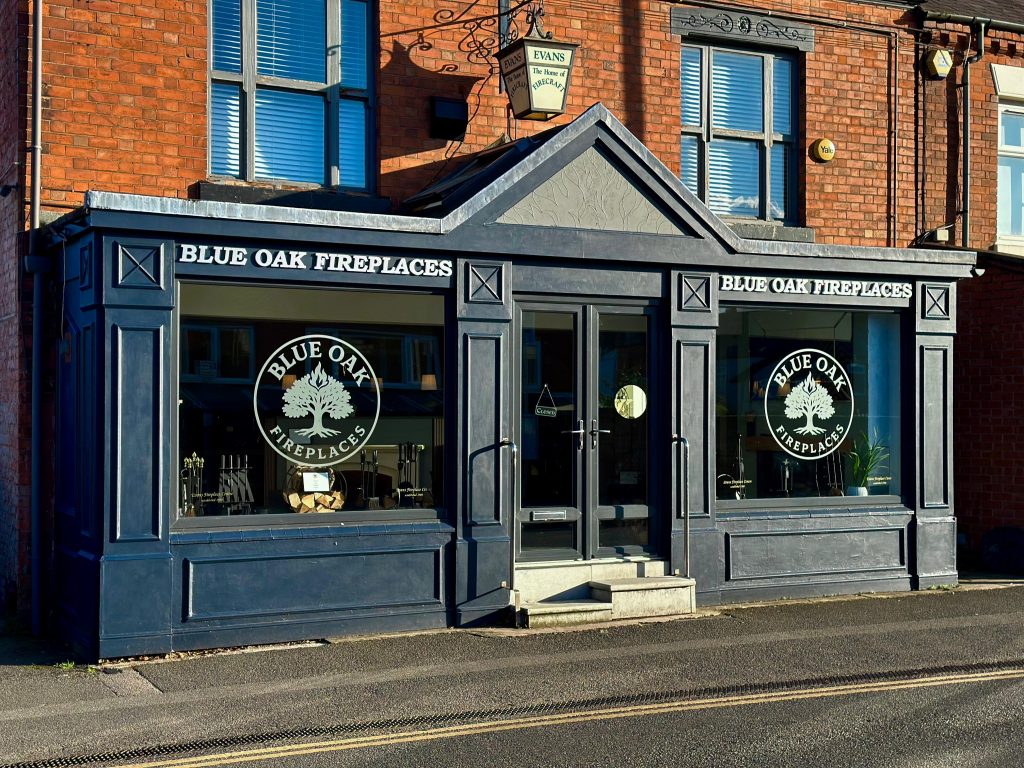
A fireplace showroom helps you see real scale, flame effect, finish quality and material choices. At Blue Oak Fireplaces in Syston, Leicester, homeowners can explore electric fires, gas fires, stoves, media walls and fireplace surrounds with guidance from an experienced team. The goal is not just to choose a good-looking fire, but to choose one that fits the room, performs well and feels right long term.
Both options can enhance the comfort and visual appeal of your home. By understanding the differences between gas and wood fireplaces, you can choose the solution that best fits your space and lifestyle.
Does a Fireplace Add Value to a Home?
A well-designed fireplace can add visual appeal, comfort and a strong focal point to a living room. For many buyers, a fireplace can make a home feel more inviting, especially when the installation looks modern, safe and professionally finished.
The value depends on the property, the fireplace type and buyer expectations. A gas fireplace may appeal to buyers who want convenience and low maintenance, while a wood-burning stove or traditional fireplace may appeal to those who prefer character and a classic home feature.
Can You Have a Gas and Wood Fireplace Combo?
Searches such as “gas and wood fireplace combo,” “combination gas and wood fireplace,” and “wood fireplace with gas” can mean different things. In most cases, a standard gas fireplace should not be used to burn wood. Gas appliances are designed for gas only, and using wood in the wrong appliance can be dangerous.
Some homeowners may be looking for a room design that includes both gas and wood fireplace options in different areas of the home, or they may be comparing gas or wood fireplace choices before buying. A professional installer can explain what is suitable, safe and compliant for your property.
FAQs
Are gas fireplaces cheaper than wood fireplaces?
Gas fireplaces often have lower maintenance costs and easier installation, but fuel costs depend on gas prices in your area.
Do gas fireplaces heat as well as wood fireplaces?
Gas fireplaces typically provide more consistent and controllable heat, while wood fireplaces produce strong but less efficient heat.
Are gas fireplaces safer than wood-burning fireplaces?
Gas fireplaces generally require less maintenance and reduce risks related to chimney buildup, making them easier to manage safely.
Which fireplace adds more value to a home?
Both types can add value, but modern buyers often prefer gas fireplaces for convenience.
Is a Gas or a wood fireplace better?
A gas fireplace is usually better for convenience, consistent heat and low maintenance. A wood burning fireplace, wood stove or log burner is usually better for homeowners who want an authentic flame, traditional atmosphere and a natural fire experience.
What Is the Difference Between a Gas Fire and a Log Burner?
A gas fire uses natural gas or LPG and can often be controlled by a switch, remote or control knob. A log burner or wood stove burns wood logs and needs fuel storage, lighting, ash removal and chimney or flue maintenance.
Can a Gas Fireplace Burn Wood?
No, a standard gas fireplace should not burn wood. Gas fireplaces are designed for gas only. If you want to burn wood, you need a suitable wood burning fireplace, wood stove or log burner installed correctly.
How Much Does It Cost to Install a Fireplace?
The cost to install a fireplace depends on whether it is gas, wood burning, electric or a completely new installation. Chimney work, flue requirements, hearths, surrounds, gas supply and finishing work can all affect the final cost.
Can You Install a Wood Stove in a Fireplace?
In many homes, a wood stove can be installed in an existing fireplace opening, but only after the chimney, flue, hearth, ventilation and appliance size have been properly assessed by a professional.