
The surround is arguably the most visible part of any fireplace, framing the fire itself and setting the tone for the entire room. Choosing the right fireplace surround material can feel overwhelming with so many options available, from natural stone to sleek metal. This guide walks through the most popular surround materials, what makes each one suited to different homes and styles, and how to narrow down the right choice for your own space.
Choosing a Fireplace Surround Material: Why It Matters as Much as the Fire
It’s easy to focus entirely on the fire itself, gas, electric, or wood burning, and treat the surround as an afterthought. In reality, the surround does much of the visual work in a room, and getting the material and proportions right can make even a modest appliance feel like a genuine focal point. Our guide to fireplace surround ideas for modern homes covers this in more detail, including which shapes and finishes tend to have the biggest visual impact.
Natural Stone and Marble

Stone and marble remain some of the most popular surround materials, and for good reason. A natural stone fireplace surround in book matched marble creates a striking, high end look, while honed limestone or slate offers a softer, more understated feel. Both options tend to suit a wide range of interior styles, from traditional to contemporary, and pair particularly well with a linear gas fire. Our gas fires guide explains which models work best alongside a wide, minimal stone surround.
Timber and Wood Beam Surrounds
Timber surrounds bring warmth and texture to a room, and they’re especially popular in period properties or homes with a more rustic, cottage feel. A reclaimed oak beam mantel can sit beautifully above a wood burning stove or traditional brick opening, creating a classic, characterful look. Our wood burning stoves guide covers appliance options that suit this kind of timber framed setup particularly well.
Matte Black and Dark Metal Finishes
For a more contemporary look, matte black steel or blackened metal surrounds have grown significantly in popularity. The dark, non reflective finish creates real visual drama, especially against lighter walls, and works well with both gas and wood burning appliances. This finish tends to photograph beautifully and suits homes wanting a bold, modern statement rather than a traditional look. If you’re drawn to this style, our luxury fireplaces in Leicester collection includes several examples combining dark metal surrounds with premium finishes.
Plaster and Painted Finishes
A plastered and painted surround offers total flexibility, since it can be finished in literally any colour to match your existing decor. This option tends to work particularly well in period properties, where a smooth, painted surround creates a deliberate contrast against original coving and skirting. It’s a popular choice within media wall designs too, since the surface can be extended seamlessly across the full wall for a clean, built in look.
Brick Surrounds

Exposed or painted brick remains a timeless choice, particularly for homes wanting to retain a traditional character. Original brickwork left exposed can look fantastic around a wood burning stove, while painted brick offers a softer, more modern take on the same material. Brick tends to pair especially well with a log burner, since the material naturally complements the appliance’s more rustic aesthetic.
Concrete and Polished Render
Polished concrete and smooth render surrounds have become a genuinely popular choice for homeowners wanting an industrial, minimalist look, and they’re one of several fireplace surround types worth considering if you want something distinct from stone or timber. The material’s raw, slightly textured finish contrasts beautifully with both traditional cast iron inserts and sleek modern gas or electric fires, making it a versatile option across a range of interior styles. This material also works particularly well as part of a full height feature wall design, something covered in our guide on designing a media wall that feels built in, not added on.
Choosing a Surround Material Based on Fuel Type
The fuel type behind your fireplace can influence which surround materials are practical, since some solid fuel appliances require specific heat clearances that certain finishes can’t accommodate as easily. Our comparison of gas vs wood burning fireplaces is a useful reference point here, since understanding your appliance choice early on makes it much easier to select a surround material that works safely and practically alongside it.
Matching the Surround to Your Room’s Existing Style
Beyond material choice, it’s worth thinking about how the surround will sit within your room’s broader design. A dark, industrial surround might feel out of place in a soft, traditional room, while an ornate stone mantel could feel heavy in a minimalist, contemporary space. If you’re unsure where to start, our luxury fireplaces in Leicester guide offers useful direction on pairing surround materials with different interior styles.
Budgeting for Your Chosen Material
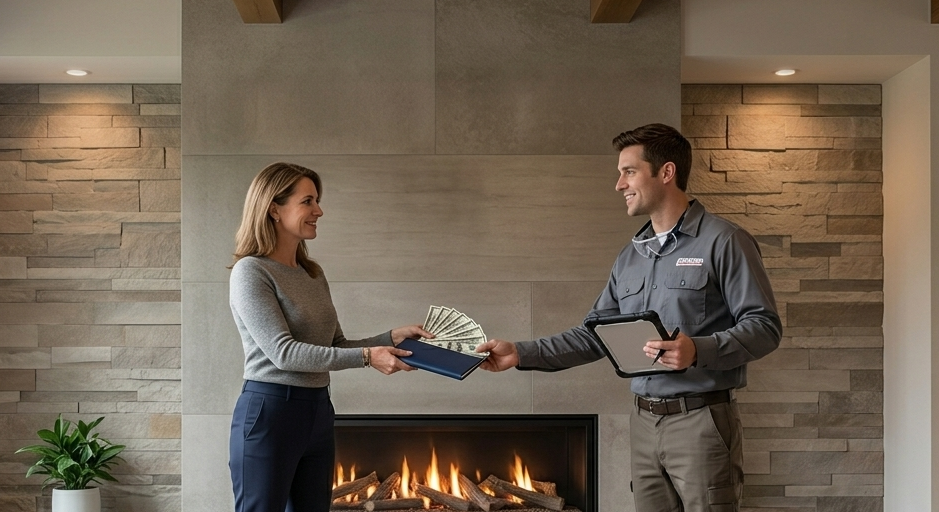
Different surround materials come with different price points, and it’s worth factoring this into your overall budget alongside the appliance itself. Natural stone and bespoke joinery tend to sit at the higher end, while painted plaster or brick can be more cost effective without compromising on style. Our detailed breakdown of fireplace installation cost in the UK explains where the money typically goes, which is useful context when weighing up different surround options.
Seeing Materials in Person Before You Decide
Photographs and online examples only tell you so much, since lighting, texture, and scale are hard to judge accurately on a screen. Visiting in person makes a real difference when choosing between similar looking materials. Our Syston showroom displays a wide range of surrounds across different materials and finishes, giving you the chance to see and feel the options firsthand before committing to a final choice.
Getting the Installation Right
Even the best chosen surround material needs to be installed correctly to look its best long term. Poor alignment, incorrect sealing, or rushed finishing can undermine even the highest quality material. Our guide to what actually happens during fireplace installation in Leicester explains why proper preparation and careful fitting matter just as much as the material itself.
Why Visit Blue Oak Fireplaces Before Choosing
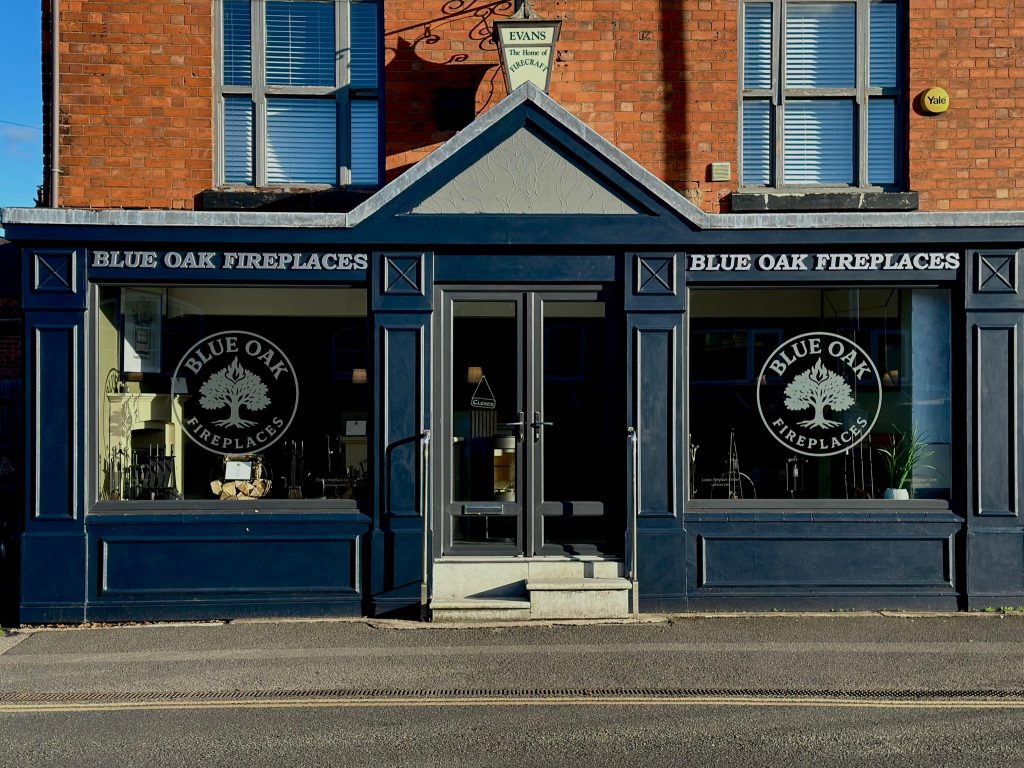
Seeing fireplace surrounds in person can make the decision much easier. Photos help with inspiration, but they do not always show true scale, depth, finish quality or flame effect. At Blue Oak Fireplaces, homeowners can explore fires, fireplaces, stoves, media walls and surrounds with expert advice from a team that understands both design and installation.
Blue Oak Fireplaces is based in Syston, Leicester, with a 3-storey showroom at 1159 Melton Road, Syston, Leicester, LE7 2JS. Visiting the showroom helps you compare materials, styles and fireplace types before committing to a design for your home
Final Thoughts
There’s no single best fireplace surround material, only the right one for your home, your fuel type, and your personal style. Whether you’re drawn to natural stone, warm timber, bold matte black, or a clean plastered finish, taking the time to consider practicality alongside aesthetics will help you make a choice you’ll be happy with for years to come. If you’d like personalised advice, get in touch with Blue Oak Fireplaces or visit our services page to see how we can help bring your chosen design to life.
Frequently Asked Questions
What is the most popular fireplace surround material?
When it comes to choosing a fireplace surround, natural stone and marble remain among the most popular choices, thanks to their timeless look and versatility across both traditional and contemporary interiors, though timber and matte black metal have both grown significantly in popularity in recent years.
Does the surround material affect installation cost?
Yes, materials like natural stone and bespoke joinery tend to cost more than painted plaster or brick, both in terms of the material itself and the labour involved in fitting it correctly.
Can any surround material be used with a wood burning stove?
Not quite. Solid fuel appliances require specific heat clearances, so it’s important to check that your chosen material and design meet safety requirements before installation, something a proper site survey will confirm.
Is it better to choose a surround before or after choosing the fire itself?
It’s usually best to consider both together, since the appliance and surround affect each other in terms of size, heat clearance, and overall style. Choosing them as part of the same conversation avoids compatibility issues later.
How do I know which surround material will suit my room?
Consider your room’s existing style, natural light, and colour palette. Visiting a showroom in person can also make a big difference, since materials often look and feel different in real life compared to photographs.
Are darker surround materials harder to keep clean than lighter ones?
Not necessarily, though dark matte finishes can show dust more visibly than textured stone. Regular light dusting keeps most surround materials looking sharp regardless of colour or finish.
