
Whether you’ve inherited a dated fireplace with a house purchase or you’re simply ready for a fresh look, removing an old fireplace is often the first step before any new installation can begin. Understanding the cost to remove a fireplace helps you budget accurately and avoid surprises partway through a renovation. This guide breaks down what’s typically involved, what affects the price, and what to expect from start to finish for a Leicester property.
Why Homeowners Remove an Old Fireplace
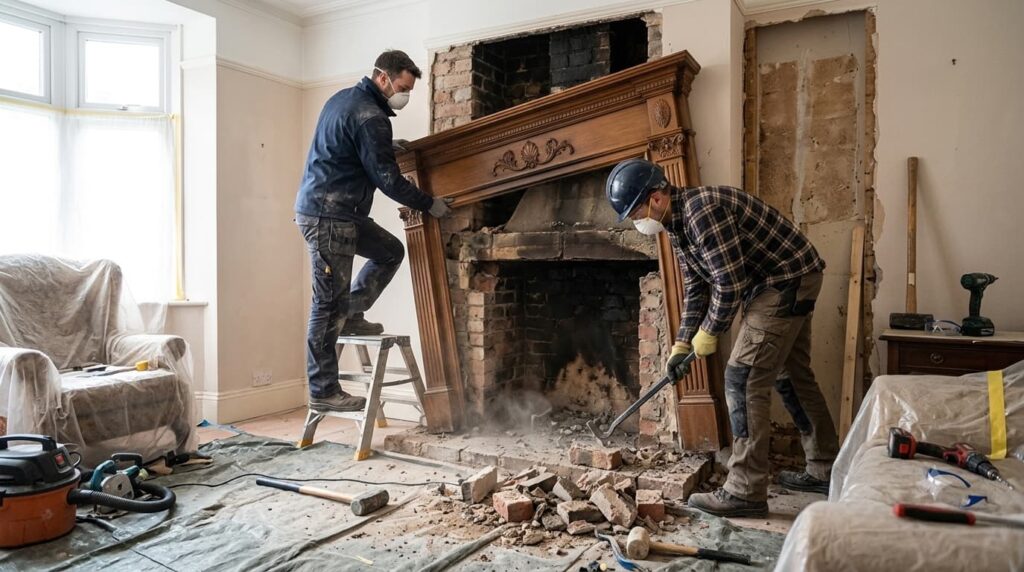
There are several common reasons Leicester homeowners choose to remove an existing fireplace. Some simply want to update to a more efficient, modern appliance, while others are removing a fireplace entirely to open up a room, particularly if the existing feature no longer suits how the space is used. If you’re removing an old setup to make way for something new, our guide to fireplace installation in Leicester explains how removal and installation are often planned together as part of the same project.
Average Fireplace Removal Costs in Leicester
Fireplace removal costs vary considerably depending on the type of appliance, the extent of the work involved, and whether any making good or replastering is needed afterward. As a general guide, Leicester homeowners can expect to pay:
Simple fire removal only: £100 to £300. Removing a gas fire or basic inset appliance without touching the surrounding surround or chimney breast.
Fireplace and surround removal: £300 to £600. Removing the appliance along with an existing surround, hearth, and making good the wall behind it.
Full chimney breast removal: £1,500 to £3,000+. A significantly bigger job involving structural work, often requiring a steel supporting beam (RSJ) and building control sign-off, particularly if removing a chimney breast on an upper floor as well.
Chimney capping and stack removal: £500 to £2,000+. If you’re removing use of the chimney entirely rather than just the fireplace itself, capping the flue or removing the external stack adds further cost to remove a fireplace depends on access and scope.
What Affects the Overall Cost
Several factors influence where your project sits within these ranges. The type of existing appliance matters; a straightforward gas fire is far simpler to remove than an old solid fuel stove with an established flue connection. The condition of the surrounding wall and chimney breast also plays a role, since older properties sometimes reveal unexpected issues, like damp or structural wear, once work begins. Access to the property and how much disposal is required for old materials both add to labour time as well. Our detailed breakdown of fireplace installation cost in the UK covers similar cost factors relevant to the installation side of a project, which is worth reading alongside this guide if you’re planning both removal and a new fireplace.
Removing a Gas Fire Safely

If you’re removing an old gas fire, this work must be carried out by a Gas Safe registered engineer, since disconnecting a gas supply incorrectly presents a genuine safety risk. The gas supply needs to be safely capped or removed entirely, not just switched off, and a proper certificate should be issued once the work is complete. This is an important detail to confirm with any tradesperson you hire, and it’s a step we always handle correctly as part of our gas fire servicing in Leicester work.
Removing a Wood Burning Stove or Solid Fuel Appliance
Removing an old wood burning stove is typically more straightforward from a safety standpoint, though the flue connection and any liner still need to be assessed and removed correctly. If you’re planning to install a new stove afterward rather than removing the chimney entirely, it’s worth having the existing flue inspected as part of the same visit, something covered in our wood burning stoves guide.
Do You Need Building Control Approval?
Simple appliance removal, taking out a gas fire or stove without touching the chimney breast structure, generally doesn’t require building control involvement. However, removing a chimney breast entirely is structural work and does require building control approval, since a supporting beam is usually needed to safely carry the load previously held by the brickwork above. Skipping this step isn’t just a compliance risk; it can also affect your ability to sell the property later without retrospective approval.
What Happens to the Chimney If You Remove the Fireplace but Keep the Breast
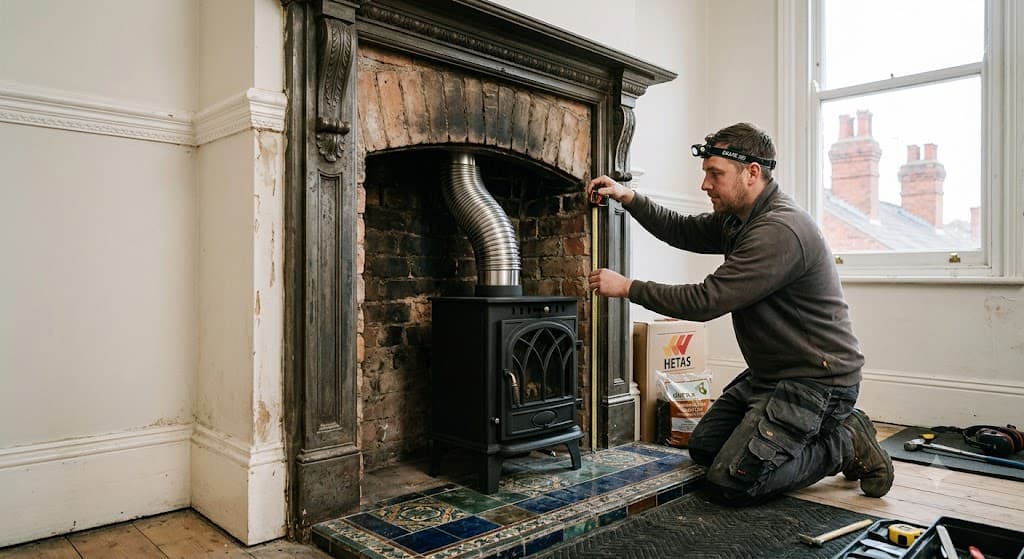
Many homeowners choose to remove the fireplace itself while keeping the chimney breast in place, either for structural reasons or simply to preserve the room’s proportions. In this case, the flue is usually capped to prevent draughts and debris entering the room, while still allowing the chimney to be reopened in future if you decide to reinstall a fireplace. This is often the more cost-effective and reversible option compared to full chimney breast removal.
Making Good the Wall After Removal
Once a fireplace and surround are removed, the wall behind typically needs replastering, and sometimes rebuilding if brickwork has been damaged or altered over the appliance’s lifetime. This finishing work is often underestimated when budgeting for removal, but it makes a significant difference to the final look, particularly if you’re planning to leave the space as a normal wall rather than installing something new.
Combining Removal With a New Installation
For most homeowners, removal isn’t the end goal; it’s the first step toward a new fireplace, media wall, or updated design. Planning removal and installation together as a single project is usually more cost-effective than treating them as two separate jobs, since preparation work, plastering, and any structural changes can be coordinated in one visit rather than paid for twice. If you’re deciding what to replace an old fireplace with, our comparison of gas vs wood burning fireplaces is a useful starting point.
Disposal and Reclaimed Materials

Old fireplace surrounds, particularly period cast iron inserts or original stone mantels, sometimes have genuine value to architectural salvage buyers rather than needing to go straight to a skip. It’s worth asking your installer whether any removed materials could be reclaimed or sold on, which can occasionally offset a portion of the overall project cost. For anything without resale value, proper disposal is usually included within a professional removal quote, so it’s worth confirming this upfront rather than assuming it’s extra.
DIY Fireplace Removal: Is It Worth the Risk?
While removing a simple decorative surround might seem manageable as a DIY project, anything involving a working gas connection, a chimney breast, or structural elements should always be left to qualified professionals. The potential cost to remove a fireplace and getting this wrong, from gas safety risks to structural damage, far outweighs any money saved by attempting it yourself. A proper site visit and quote, covered in our guide to fireplace installation in Leicester, gives you an accurate picture of what’s actually involved before any work begins.
Getting an Accurate Quote for Your Property
Because removal costs vary so significantly based on appliance type, structural involvement, and the condition of the existing setup, the only reliable way to budget accurately is a proper in-person assessment. Photos and general estimates only go so far, particularly for older Leicester properties where previous renovations aren’t always visible until work is underway. Visiting our showroom and speaking with our team is a good starting point if you’re planning both removal and a new fireplace as part of the same project.
Why Visit Fireplaces Leicester Showroom?
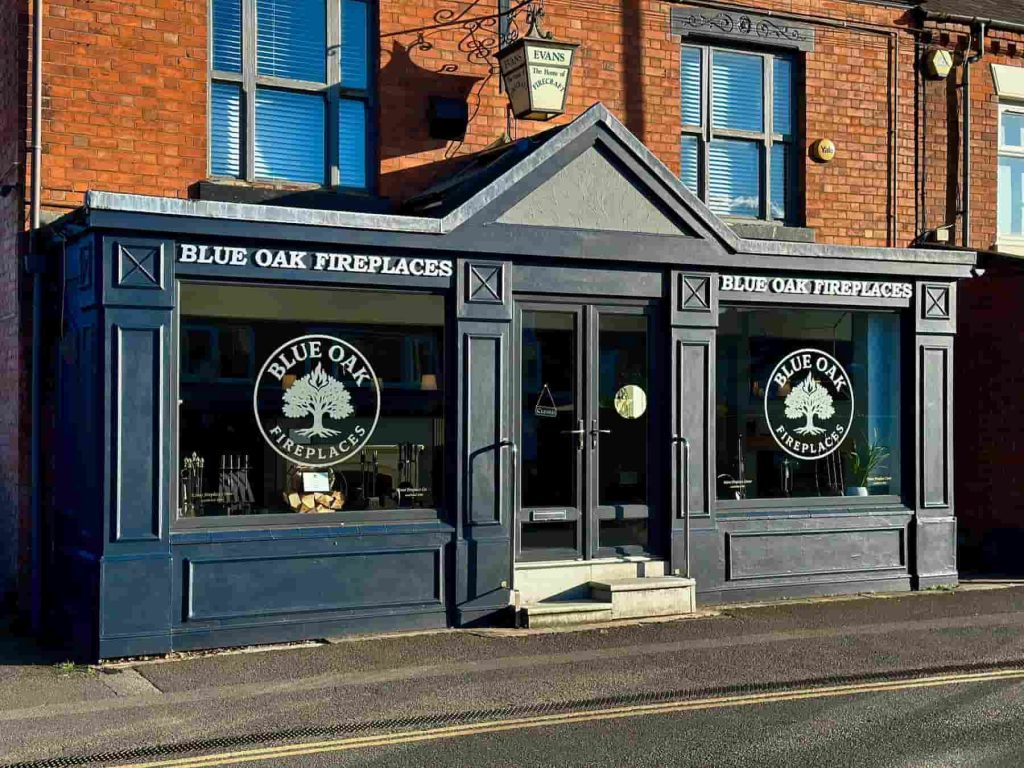
A fireplace showroom helps you see real scale, flame effect, finish quality and material choices. At Blue Oak Fireplaces in Syston, Leicester, homeowners can explore electric fires, gas fires, stoves, media walls and fireplace surrounds with guidance from an experienced team. The goal is not just to choose a good-looking fire, but to choose one that fits the room, performs well and feels right long term.
If you are unsure about size, bring measurements, room photos and any ideas you already like. This makes it easier to compare options and understand whether your room is better suited to an electric fireplace, gas fire, wood-burning stove, multi-fuel stove or bespoke media wall.
Final Thoughts
Removing an old fireplace ranges from a straightforward, affordable job to a significant structural project, depending on exactly what’s involved. Understanding the difference between simple appliance removal and full chimney breast removal helps you budget realistically from the outset, and combining removal with a new installation is almost always more cost-effective than treating them separately. If you’re planning a fireplace removal or replacement in Leicester, get in touch with Blue Oak Fireplaces for an accurate, no-obligation quote tailored to your property.
Frequently Asked Questions
How much does it cost to remove a gas fire?
Removing a simple gas fire typically costs between £100 and £300, though this must be carried out by a Gas Safe registered engineer to safely disconnect and cap the gas supply.
Is removing a chimney breast expensive?
Yes, full chimney breast removal is significantly more costly than simple appliance removal, typically ranging from £1,500 to £3,000 or more, since it involves structural work, a supporting steel beam, and building control approval.
Do I need permission to remove a fireplace?
Removing an appliance without touching the chimney breast structure generally doesn’t require permission, but removing a chimney breast entirely is structural work that requires building control approval due to the load bearing changes involved.
Can I keep my chimney breast but remove the fireplace itself?
Yes, this is a common and often more cost effective option. The flue is typically capped to prevent draughts, while the chimney breast remains in place, allowing a new fireplace to be installed there again in future if desired.
Is it cheaper to remove and replace a fireplace at the same time?
Yes, in most cases. Combining removal with a new installation avoids paying for preparation work and plastering twice, since both stages can be coordinated within a single project.
Can old fireplace materials be sold or reused?
Sometimes. Period cast iron inserts and original stone mantels can occasionally be sold to architectural salvage buyers, so it’s worth asking your installer whether removed materials have any reclaim value before disposal.
