Introduction
A fireplace is often judged by how it looks once everything is finished.
But what determines whether it truly works, whether it feels natural in the space, whether it lasts, whether it avoids problems, is not the product. It is the installation.
In Leicester, fireplace installation ranges from straightforward electric setups to more involved projects requiring structural work, gas connections or bespoke joinery. On the surface, these may seem like variations in complexity. In practice, they are variations in risk.
The difference between a result that feels effortless and one that feels compromised is almost always decided before the fireplace is even fitted.
The Role of the Initial Survey
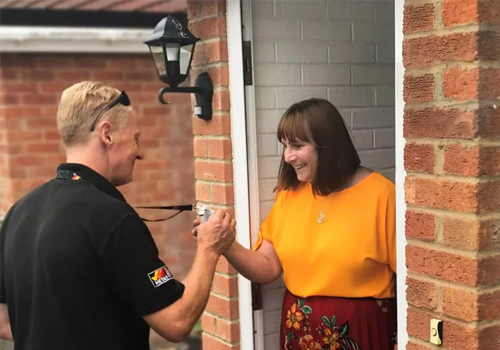
Every installation begins with an assumption.
The wall is suitable. The space is sufficient. The wiring is accessible. The design will fit as expected.
A proper survey replaces those assumptions with clarity.
Wall construction, available depth, existing services, and ventilation requirements these are not always visible, but they define what is possible. Skipping or rushing this stage often leads to adjustments during installation, and those adjustments are rarely ideal.
A well-executed project begins with understanding the constraints of the space, not just the ambition of the design.
Fireplace Installation Is a Process, Not a Moment
There is a tendency to think of installation as a single step. The fireplace arrives, it is fitted, and the job is complete.
In reality, installation is a sequence.
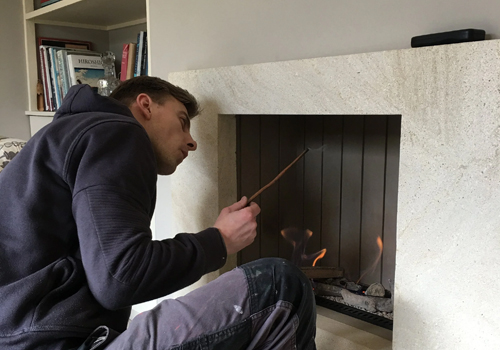
Preparation comes first. This may involve removing existing features, adjusting wiring, or preparing the wall surface. Structural work may follow, particularly for media walls or inset fireplaces.
Only then does the fireplace itself get fitted.
After that comes finishing, and this is where the quality of the project becomes visible. Plastering, alignment, edge detail, and painting. These are not secondary steps. They are what define whether the fireplace feels integrated or simply attached.
The difference between average and premium is often found here.
Why Good Installations Feel Invisible
When a fireplace is installed well, it rarely draws attention to how it has been done.
There are no visible gaps. No awkward edges. No sense that the feature has been forced into place. Everything aligns. Everything feels intentional.
This is what makes a result feel effortless.
It is also why poor installation stands out so quickly. Even small misalignments or rushed finishes can disrupt the balance of the room.
Good installation is not about complexity. It is about precision.
The Most Common Points of Failure
Most installation issues do not come from technical limitations. They come from decisions that were not fully resolved early on.
A design chosen without considering the proportions of the room. A budget that focuses on the appliance but excludes finishing work. A timeline that underestimates how long proper installation takes.
These issues rarely appear at the start. They become visible once the project is underway, when changes are more difficult and more costly to make.
The result is often a compromise, not because the design was wrong, but because the process was incomplete.
The Importance of Finishing
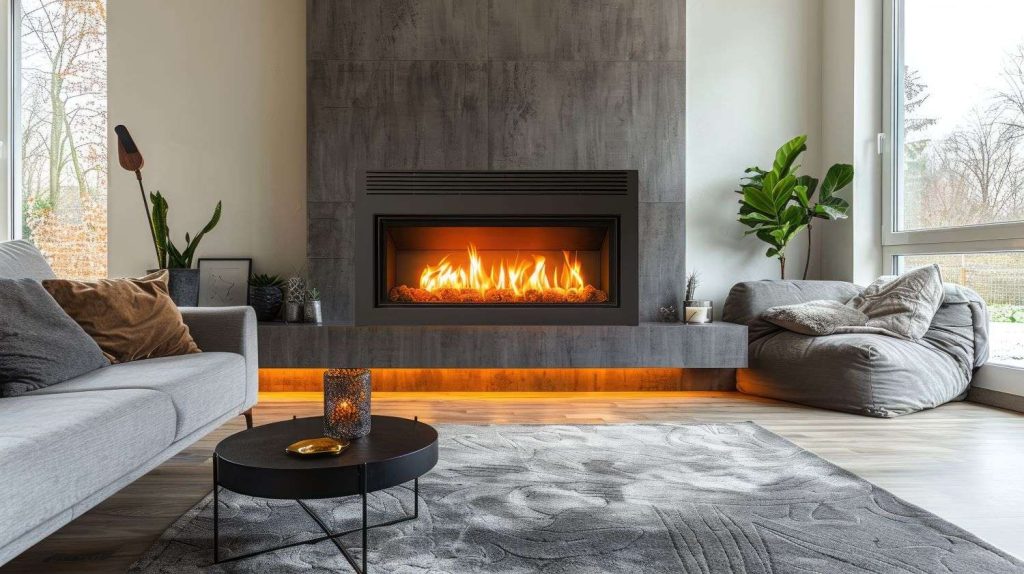
It is easy to focus on the fireplace itself. The model, the features, the appearance when switched on.
But once installed, it is the surrounding finish that defines how the fireplace feels in the room.
Edges need to be clean. Surfaces need to be even. Transitions between materials should feel deliberate, not accidental.
Rushed plastering, inconsistent paintwork or poorly aligned elements can reduce the impact of even the highest-quality fireplace.
A well-finished installation allows the fireplace to sit naturally within the room. Without that, it always feels slightly separate.
Electric vs Gas vs Structural Installations
Not all installations carry the same level of complexity.
Electric fireplaces are typically the simplest. They require power, positioning and finishing, but rarely involve structural changes. This makes them more predictable and easier to manage.
Gas installations introduce additional requirements. Certification, ventilation, and connection to the supply all need to be considered. The margin for error is smaller, and the process requires more coordination.
Structural installations, such as media walls or inset fireplaces, combine both design and construction. They require careful planning, accurate execution and a higher level of finishing.
Understanding which category your project falls into helps set realistic expectations from the beginning.
Timeframes and Why They Matter
Installation is not just about what is done, but how it is sequenced.
Rushing preparation can affect fitting. Rushing fitting can affect finishing. Rushing to finish affects everything.
A simple electric installation may be completed relatively quickly. More involved projects require multiple stages, each dependent on the last being done properly.
Time is not just a constraint. It is part of the process.
A More Useful Way to Think About Cost
When people consider installation cost, they often focus on the visible elements.
The fireplace itself. The materials used. The immediate labour involved.
What is less obvious is how much of the cost is tied to precision. The time taken to prepare properly. The care taken during finishing. The avoidance of rework.
A lower-cost installation may appear attractive initially, but if it leads to compromises in alignment, finish or durability, the long-term value is reduced.
A well-executed installation is not just about the result on day one. It is about how that result holds over time.
Why Visit Blue Oak Fireplaces Before Choosing
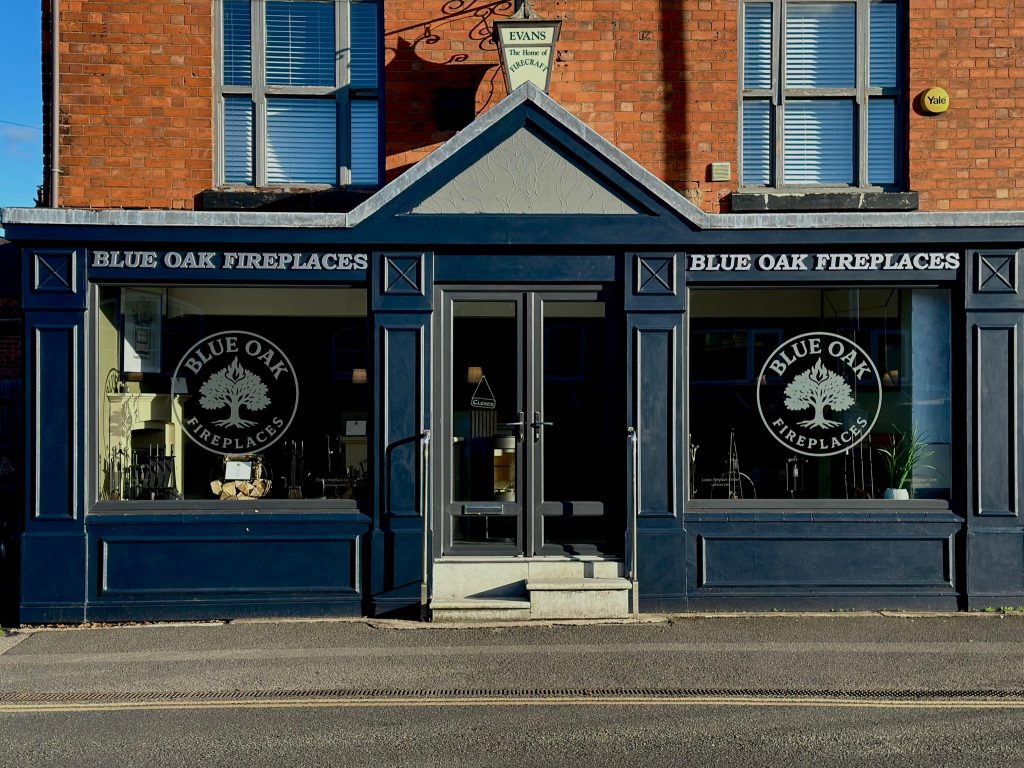
Seeing fireplace surrounds in person can make the decision much easier. Photos help with inspiration, but they do not always show true scale, depth, finish quality or flame effect. At Blue Oak Fireplaces, homeowners can explore fires, fireplaces, stoves, media walls and surrounds with expert advice from a team that understands both design and installation.
Blue Oak Fireplaces is based in Syston, Leicester, with a 3-storey showroom at 1159 Melton Road, Syston, Leicester, LE7 2JS. Visiting the showroom helps you compare materials, styles and fireplace types before committing to a design for your home
Final Thought
Installation is where intention becomes reality.
A well-chosen fireplace can only achieve its full effect if it is installed with the same level of consideration. When the process is handled carefully, the result feels natural, almost inevitable.
When it is rushed or incomplete, the room never quite settles.
The difference is rarely visible in a specification. It is felt in the space.