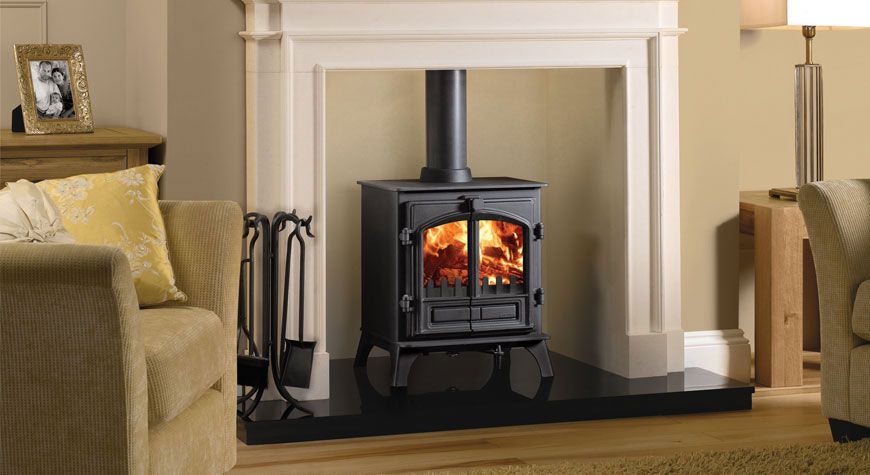
If you live in one of Leicester’s more central or built-up neighbourhoods, there’s a good chance your property falls within a designated smoke control area. This often leads to a common question from homeowners considering a new stove: does a wood-burning stove smoke control area rule out installing one at all? The short answer is no, but there are rules you need to follow, and the appliance you choose matters a great deal. This guide explains exactly what a smoke control area means, what you can and can’t install, and how to make sure your new stove is fully compliant.
What Is a Smoke Control Area in Leicester?
Smoke control areas were introduced under the Clean Air Act to reduce air pollution from domestic chimneys, particularly in more densely populated parts of towns and cities. Within these zones, it’s an offence to emit smoke from a chimney unless you’re burning an authorised smokeless fuel or using what’s known as an exempt appliance. Large parts of a smoke control area in Leicester cover the city’s more central neighbourhoods, so it’s worth checking your specific address with Leicester City Council before finalising any plans for a wood burning stove installation.
So Can You Still Install a Wood Burning Stove?

Yes, in most cases you absolutely can, as long as the stove is a Defra-exempt wood-burning stove. These are appliances specifically tested and approved to burn wood cleanly enough to meet smoke control regulations, even within a designated area. This is one of the most important things to check before choosing a model, and it’s exactly the kind of detail we cover during a proper site survey when planning a log burner installation in Leicester.
Understanding Defra Exempt Appliances
A Defra-exempt appliance is a stove that has been independently tested and approved for use within smoke control areas, since it produces significantly less smoke than a standard open fire or older, uncertified stove. Most modern stoves sold today are designed and tested to meet this standard, particularly newer Ecodesign Ready stoves, which are increasingly popular for anyone installing a stove in Leicester, since they’re built to strict emissions limits regardless of whether you live in a smoke control area or not. If you’re comparing appliance types before making a decision, our gas vs wood burning fireplaces guide explains how emissions and running costs differ between fuel types more broadly.
Why the Right Fuel Still Matters
Even with an exempt appliance, the fuel you burn plays a big role in keeping emissions low and staying compliant with local rules. Properly seasoned, dry wood burns far more cleanly than damp or unseasoned logs, producing less smoke and less creosote buildup in the flue. This isn’t just a compliance issue either; cleaner burning also means better heat output and less maintenance over time, something we cover in more detail in our wood burning stoves guide.
Wood Burning Stove Rules in Leicester: Checking If Your Address Is Affected
Smoke control areas in Leicester aren’t applied uniformly across the whole city; some neighbourhoods fall within designated zones while others don’t. Before committing to a stove, it’s worth confirming your specific status directly with Leicester City Council, since this affects which appliances are permitted at your address. Our team also checks this as a standard part of any fireplace installation in Leicester, so you’re not left guessing whether your chosen stove is actually compliant.
What Happens If You Install a Non-Exempt Stove
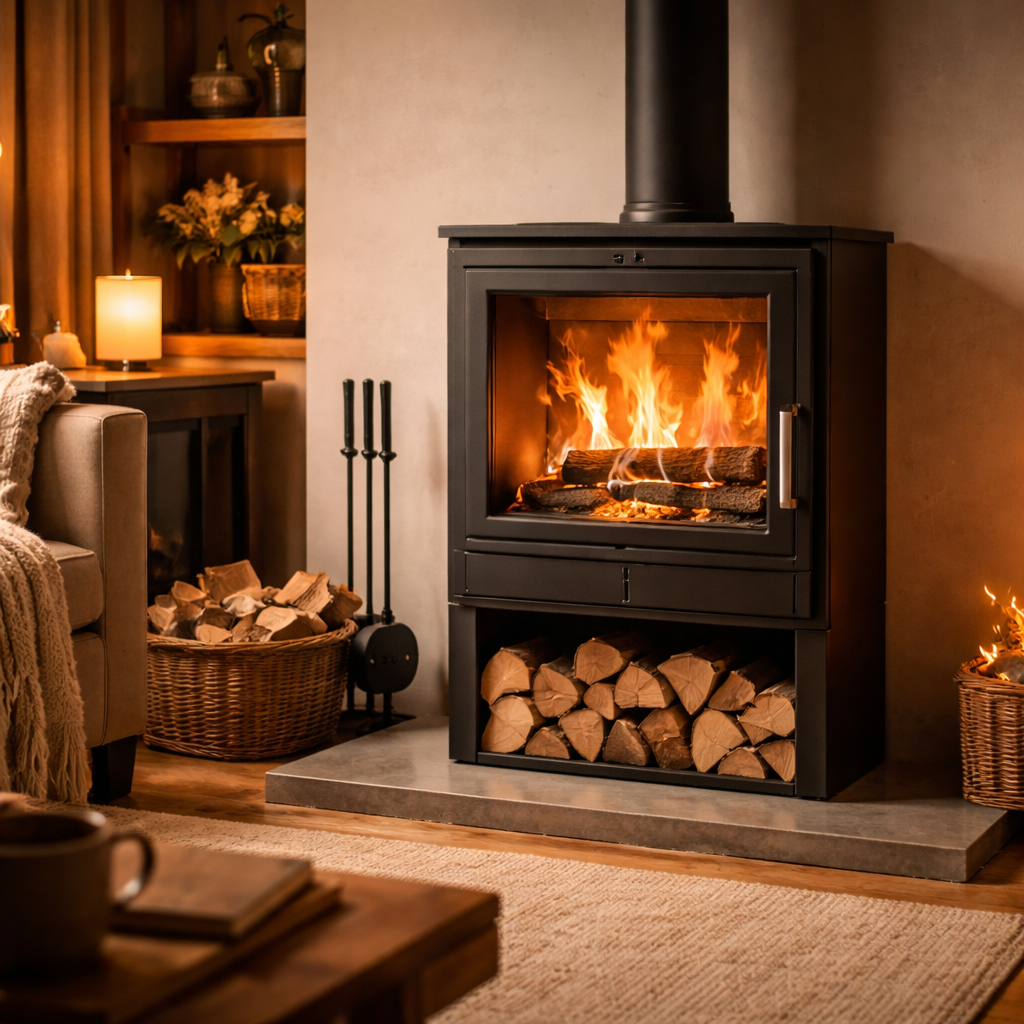
Installing an appliance that isn’t Defra exempt within a smoke control area can leave you in breach of the Clean Air Act, potentially resulting in a fine if smoke emissions become an issue. This is exactly why choosing the right appliance from the outset matters so much, rather than something to work out after installation. A proper survey and consultation before you buy avoids this problem entirely, and it’s a step we always build into our process for any fireplace installation in a smoke control zone.
Alternatives If a Wood Burning Stove Isn’t Right for You
If you’d rather avoid the additional considerations that come with solid fuel appliances altogether, gas and electric options offer a straightforward alternative that sidesteps smoke control rules entirely, since neither produces the same particulate emissions. Our gas fires guide and our page on why electric fireplaces are quietly becoming the default choice in Leicester homes are both worth a read if you want the look and warmth of a stove without navigating smoke control compliance.
Combining a Compliant Stove With a Modern Design
Choosing a Defra-exempt stove doesn’t mean compromising on style. Many modern, high specification stoves designed to meet exempt appliance standards look just as sleek and contemporary as any other model on the market. If you’re planning a statement installation, our luxury fireplaces in Leicester collection includes a number of exempt appliance options that combine full compliance with a genuinely premium finish.
Getting the Installation Right From the Start
Beyond choosing the right appliance, proper installation matters just as much for staying compliant and keeping your stove running efficiently. This includes correct flue sizing, adequate ventilation, and a chimney or twin wall system suited to the specific appliance you’ve chosen. Our guide to fireplace installation cost in the UK breaks down what’s typically involved, which is useful context when budgeting for a compliant, professionally installed stove.
Keeping Your Stove Compliant Long Term
Compliance isn’t just a one-time check at installation; it’s also about ongoing use and maintenance. Burning the wrong fuel, letting the flue become clogged with soot, or neglecting annual servicing can all affect how cleanly your stove burns over time. Our full range of services includes chimney sweeping and stove servicing to help keep your appliance performing as it should, well within the standards it was originally approved for.
Local Fireplace Ideas for Leicester, Syston and Leicestershire Homes
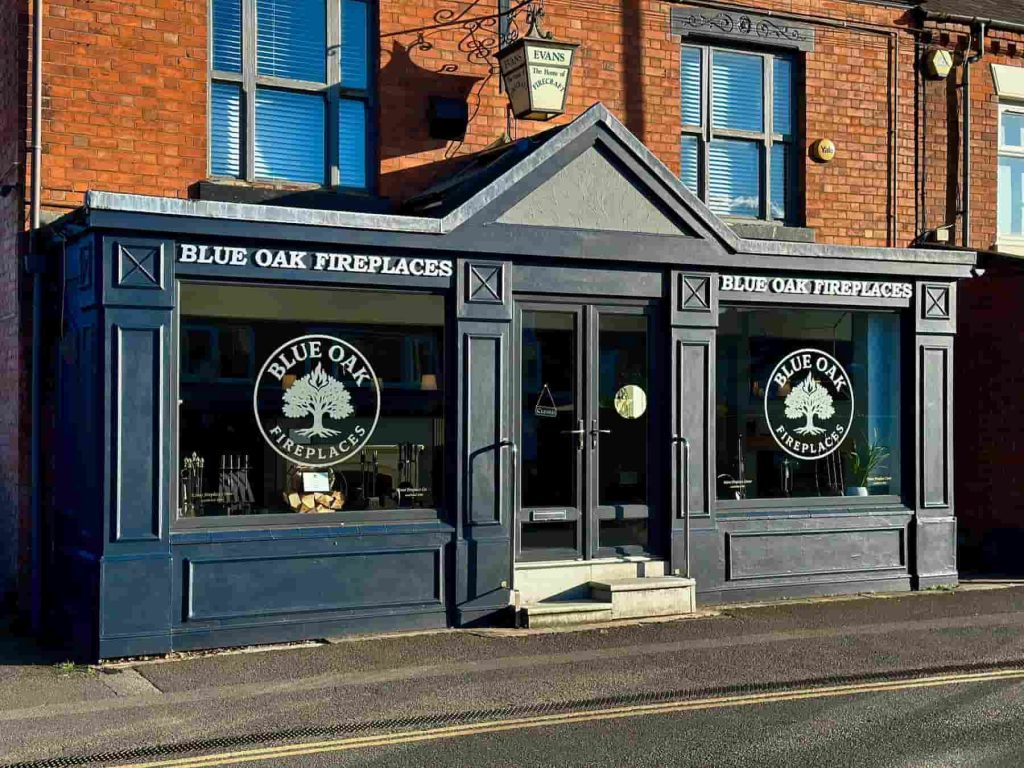
A fireplace showroom helps you see real scale, flame effect, finish quality and material choices. At Blue Oak Fireplaces in Syston, Leicester, homeowners can explore electric fires, gas fires, stoves, media walls and fireplace surrounds with guidance from an experienced team. The goal is not just to choose a good-looking fire, but to choose one that fits the room, performs well and feels right long term.
If you are unsure about size, bring measurements, room photos and any ideas you already like. This makes it easier to compare options and understand whether your room is better suited to an electric fireplace, gas fire, wood-burning stove, multi-fuel stove or bespoke media wall.
Final Thoughts
So, can I have a log burner in a smoke control zone in Leicester? In most cases, yes. Living in a wood-burning stove smoke control area doesn’t mean giving up on a genuine wood-burning stove; it simply means choosing the right, Defra-exempt appliance and having it properly installed and maintained. With the right guidance from the outset, you can enjoy a real wood-burning stove that’s fully compliant with local air quality rules. If you’re considering a stove for a property in a Leicester smoke control area, get in touch with Blue Oak Fireplaces for advice tailored to your specific address and requirements.
Frequently Asked Questions
What is a smoke control area?
A wood-burning stove smoke control area is a zone, usually covering more densely populated parts of a town or city, where it’s an offence to emit smoke from a chimney unless you’re burning an authorised smokeless fuel or using a Defra-exempt appliance.
Are all wood-burning stoves banned in smoke control areas?
No. Standard open fires and older, uncertified stoves are restricted, but Defra-exempt appliances are specifically approved for use in smoke control areas since they burn wood cleanly enough to meet emissions requirements.
How do I know if my Leicester property is in a smoke control area?
You can check directly with Leicester City Council, since smoke control areas aren’t applied uniformly across the whole city. It’s a detail worth confirming before choosing a stove, and something we check as part of any installation survey.
What is a Defra exempt appliance?
A Defra exempt appliance is a stove that has been independently tested and approved to burn wood or other solid fuel cleanly enough to be used legally within a smoke control area, unlike standard uncertified stoves or open fires.
What happens if I install a non-exempt stove in a smoke control area?
You could be in breach of the Clean Air Act, which may result in a fine if smoke emissions from your chimney become an issue. Choosing a Defra-exempt appliance from the outset avoids this risk entirely.
Can I still get a modern, stylish stove that’s smoke control compliant?
Yes, many contemporary, high specification stoves are built to meet Defra exempt appliance standards, so you don’t need to compromise on style or design to stay compliant with local air quality rules.