
A new fireplace can completely change how a room feels, but the difference between an installation that goes smoothly and one that runs into delays usually comes down to preparation. Whether you are planning a gas fire, a wood burning stove, or a full media wall, a little groundwork before the fitting team arrives makes the whole process faster, safer, and far less stressful.
At Blue Oak Fireplaces, we have spent over 25 years installing fireplaces across Leicester and the Midlands, so we know exactly where projects tend to run into snags. This guide walks you through everything you should sort out before installation day, so your home is ready and the process goes as smoothly as possible.
1. Decide on the Type of Fireplace First

Before you think about clearing space or checking your walls, it helps to settle on the type of fireplace you actually want, since this determines almost everything else about preparation. A gas fire has different requirements to a wood burning stove, and both are different again from an electric fire or a media wall.
If you are weighing up your options, our guide comparing gas vs wood burning fireplaces breaks down the practical differences in heat output, maintenance, and installation complexity. For a broader overview of styles and finishes, our luxury fireplaces in Leicester guide is also a useful starting point if you want something that becomes a genuine focal point in the room.
2. Check Your Chimney and Flue
If you are installing a wood burning stove, log burner, or traditional gas fire, your chimney and flue condition matters a great deal. An old or unused chimney may need lining, sweeping, or a full survey before any appliance can be safely connected.
This is one of the most commonly overlooked steps, and it is exactly why a proper site survey should always come before you commit to a specific model. Our log burners Leicester guide explains what a chimney survey usually covers and why the condition of the flue can affect where a stove can realistically be positioned. If your home already has a working fireplace, it is worth booking a chimney sweep as part of your preparation, since a clean flue makes the installation survey far more accurate.
3. Clear the Room and Protect Your Flooring
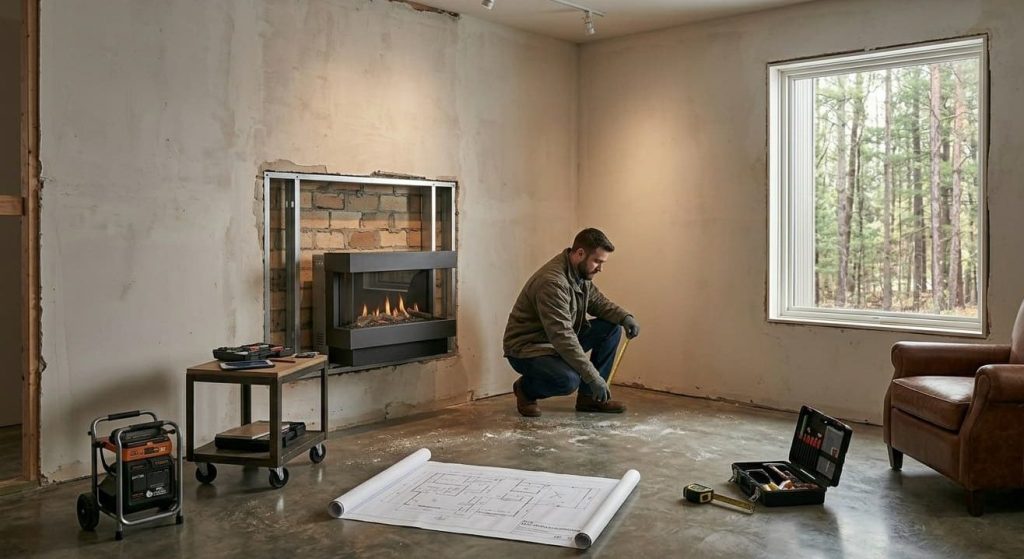
On a practical level, the room needs to be ready for the team to work in. Move furniture, rugs, and decorative items away from the fireplace area, and give at least a couple of metres of clear space for tools, materials, and access.
If you have wooden flooring, tiles, or carpet you want to protect, lay down dust sheets in advance. Installation work, particularly anything involving plastering, cutting into a wall, or fitting a media wall, can generate dust and debris. A tidy, cleared space also lets the installer move around safely and complete the work more efficiently.
4. Think About Electrics and Cabling Early
Even a fireplace that does not need gas or a flue still needs power in most cases. Electric fires, media walls with built in lighting, and remote controlled gas fires all rely on a nearby power source. If your current socket placement does not suit the new position of the fireplace, this needs sorting out before installation day, not during it.
Our media walls in Leicester page covers how cable routes are usually hidden behind the wall for a clean finish, and it is worth discussing this with your installer at the survey stage so any rewiring can be planned in properly rather than added on as an afterthought.
5. Understand the Full Cost Before You Start
Fireplace installation costs vary considerably depending on the type of appliance, the condition of your walls and chimney, and how much finishing work is involved. Getting a clear picture of the full cost, not just the price of the appliance itself, helps you avoid surprises partway through the project.
Our detailed breakdown of fireplace installation cost in the UK explains where the money typically goes, including preparation work, electrical adjustments, and finishing touches like plastering and painting. Knowing this upfront means you can budget realistically and avoid choosing based on the headline price alone.
6. Book a Proper Site Survey
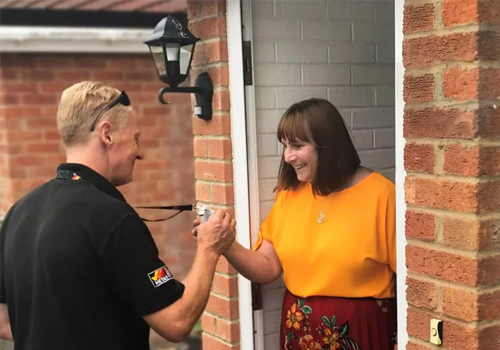
A site survey is the single most important step in preparing for installation. It replaces assumptions with facts: wall construction, available depth, existing services, and ventilation requirements are not always obvious just by looking at a room.
As we explain in our guide to what actually happens during fireplace installation in Leicester, skipping or rushing this stage is one of the main reasons projects run into mid installation changes, which are rarely straightforward or cheap to fix. A proper survey means the design you fall in love with is actually achievable in your specific home.
7. Plan for Access and Timing
Installation teams need clear access to your home, including parking close by if heavy materials or appliances are being delivered. If you live on a narrow street or in a property without easy driveway access, let your installer know in advance so they can plan accordingly.
It is also worth thinking about timing. Fireplace installation is popular in the run up to autumn and winter, so booking early gives you more flexibility and avoids the last minute rush that tends to happen once the weather turns cold.
8. Arrange for Aftercare in Advance
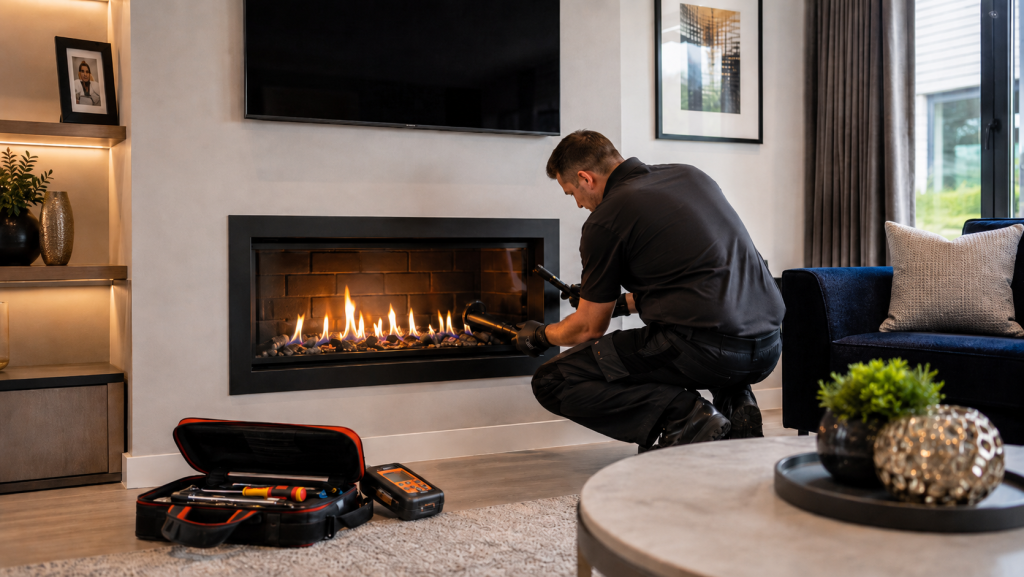
Once your fireplace is installed, ongoing maintenance keeps it safe and efficient. Gas fires need annual servicing by a Gas Safe registered engineer, and wood burning appliances benefit from regular chimney sweeping and inspection. It is worth arranging this before installation is even finished, so you are not left wondering who to call once the appliance has been fitted.
If you are still deciding between fuel types, our page on why electric fireplaces are becoming the default choice in Leicester homes is worth a read, since electric options avoid many of the ongoing maintenance requirements that come with gas or solid fuel appliances.
Local Fireplace Ideas for Leicester, Syston and Leicestershire Homes
A fireplace showroom helps you see real scale, flame effect, finish quality and material choices. At Blue Oak Fireplaces in Syston, Leicester, homeowners can explore electric fires, gas fires, stoves, media walls and fireplace surrounds with guidance from an experienced team. The goal is not just to choose a good-looking fire, but to choose one that fits the room, performs well and feels right long term.
If you are unsure about size, bring measurements, room photos and any ideas you already like. This makes it easier to compare options and understand whether your room is better suited to an electric fireplace, gas fire, wood burning stove, multi-fuel stove or bespoke media wall.
Final Thoughts
Preparing your home properly before fireplace installation is what turns a stressful project into a smooth one. From choosing the right type of appliance to clearing the space, sorting electrics, and booking a proper survey, each step reduces the chance of delays or unexpected costs once work begins.
If you are planning a fireplace installation in Leicester and want expert guidance from the very first consultation, get in touch with Blue Oak Fireplaces or visit our showroom in Syston. Our team can talk you through your options and arrange a full site survey to make sure your home is genuinely ready.
Frequently Asked Questions
How long does fireplace installation usually take?
Simple electric or gas fire installations can often be completed in a day, while media walls or projects involving chimney work, plastering, or structural changes may take several days depending on complexity.
Do I need planning permission to install a fireplace in Leicester?
Most fireplace installations do not require planning permission, but any external flue work or changes to a chimney may need to meet building regulations. Your installer can confirm what applies to your specific project.
Can I install a wood burning stove if I do not have an existing chimney?
Yes, in many cases a twin wall flue system can be fitted externally, though this depends on your property layout. A site survey will confirm whether this is a suitable option for your home.
What should I do to prepare the room before the installation team arrives?
Clear furniture and rugs away from the work area, protect flooring with dust sheets, and make sure there is clear access to the fireplace position and any relevant power sockets.
How often does a gas fire need servicing after installation?
Gas fires should be serviced annually by a Gas Safe registered engineer to keep them running safely and efficiently, particularly ahead of the colder months.
