
One of the most common questions homeowners ask before choosing a new fireplace is not about looks or heat output. It is about upkeep. If you have been searching for the easiest fireplace to maintain, you are not alone. Life is busy, and the last thing you want is a feature in your home that demands constant attention, expensive annual callouts, or messy cleaning routines every week.
The good news is that modern fireplaces vary enormously in how much maintenance they need. Some require almost nothing beyond an occasional wipe-down. Others need annual servicing, regular chimney sweeping, and careful fuel management to stay safe and efficient.
At Blue Oak Fireplaces, we help homeowners across Leicester and the Midlands find the right fire for their home and their lifestyle. In this guide, we compare every major fireplace type side by side on maintenance requirements, so you can make an informed choice with total confidence.
Why Maintenance Should Be Part of Your Decision
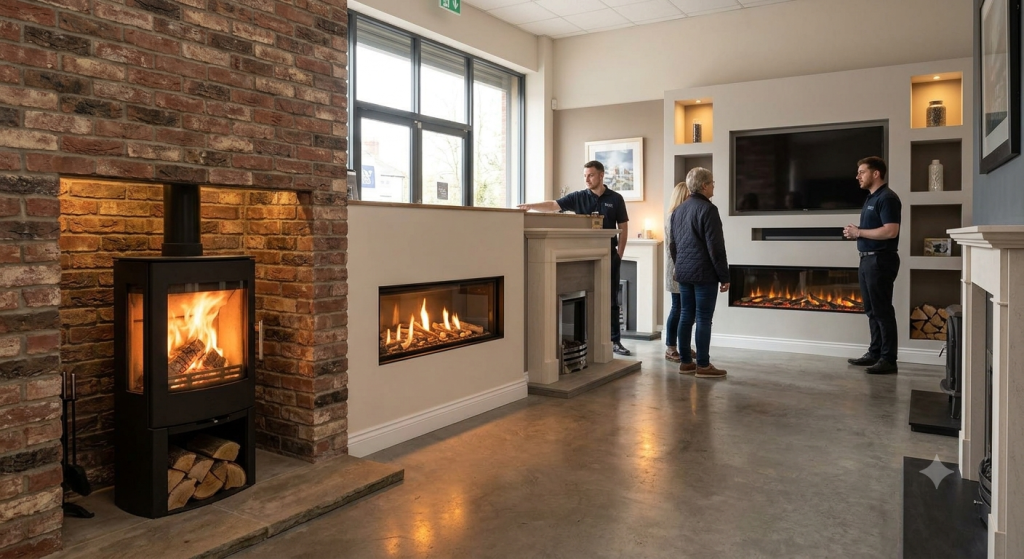
Choosing a fireplace purely on aesthetics or upfront cost is a common mistake. The ongoing cost of ownership, in time, money, and effort, is just as important as how the fire looks on the day it is installed.
Maintenance matters for three reasons:
Safety. Blocked flues, corroded burners, and cracked stove seals are not just inconveniences. They can cause carbon monoxide poisoning or chimney fires if left unaddressed. Every fireplace type has safety requirements that must be met.
Efficiency. A poorly maintained fire uses more fuel to produce less heat. A gas fire with a dirty burner, or a stove with a degraded door seal, will cost you more to run than a well-serviced one.
Longevity. Regular maintenance extends the working life of your appliance significantly. A neglected fire may fail within five years. A properly maintained one can serve your home for twenty years or more.
With that in mind, let us look at each fireplace type in detail.
Electric Fires: The Lowest Maintenance Option
If minimal upkeep is your top priority, an electric fire is the clear winner. There is a reason electric fires are growing rapidly in popularity across UK homes, and low maintenance is a big part of that story.
Why Electric Fires Are So Easy to Maintain
Electric fires produce no combustion at all. There is no flame burning fuel, no exhaust gas, no soot, no ash, and no smoke. The flame effect is created by LED lighting behind a reflective screen, which means the fire is essentially a consumer electronics product rather than a heating appliance in the traditional sense.
This fundamentally changes the maintenance picture:
No chimney or flue to clean. Because nothing is being burned, there is nothing to vent. No flue means no creosote, no blockages, and no annual chimney sweeping requirement.
No annual gas service required. Electric fires are not gas appliances, so there is no Gas Safe service obligation. You do not need to book an engineer every year to keep your fire safe and compliant.
No ash or debris. Unlike wood-burning fires or stoves, electric fires produce zero physical waste. There is nothing to scoop out, bag up, or dispose of after use.
No fuel storage. There are no logs to stack, no coal to store, and no deliveries to arrange. You simply plug the fire in and it is ready to use whenever you need it.
What Maintenance Does an Electric Fire Require?
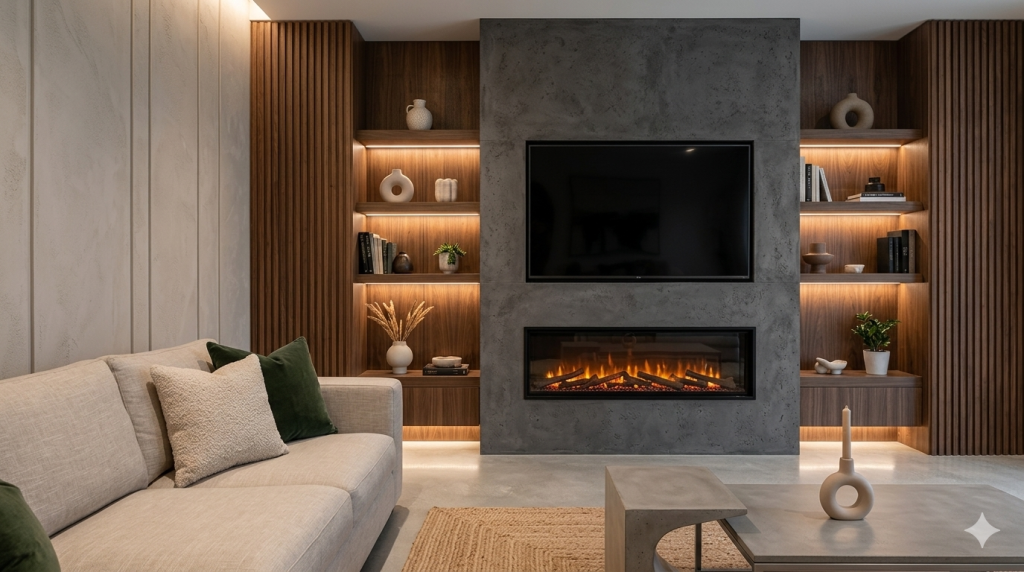
Electric fires are not entirely maintenance-free, but what they do need is very straightforward:
Dusting and cleaning the glass front. The glass panel or flame screen can accumulate dust over time, which can slightly dim the flame effect. A soft, dry cloth used every few weeks keeps it looking crisp.
Checking the heating element periodically. Most electric fires have a two-kilowatt heating element. If the heat stops working but the flame effect continues, the element may need replacing. This is typically a simple job for an electrician.
Replacing LED bulbs (less common on modern models). Older electric fires used replaceable bulbs to create the flame effect. Most modern fires use long-life LED systems that do not need replacing for many years.
Cleaning air vents. Electric fires draw in room air, heat it, and expel it. The air intake grilles can collect dust and pet hair, which should be cleared periodically with a soft brush or vacuum attachment to maintain airflow and prevent overheating.
That is broadly it. An annual light clean and a visual check of the power cable and plug is all most electric fires need to keep them performing well year after year.
Best For
Electric fires are ideal for homeowners who want a completely hassle-free experience, those in flats or rented properties where gas work is impractical, anyone installing a media wall, and households with no existing chimney or flue.
Gas Fires: Low Maintenance with Annual Servicing Required
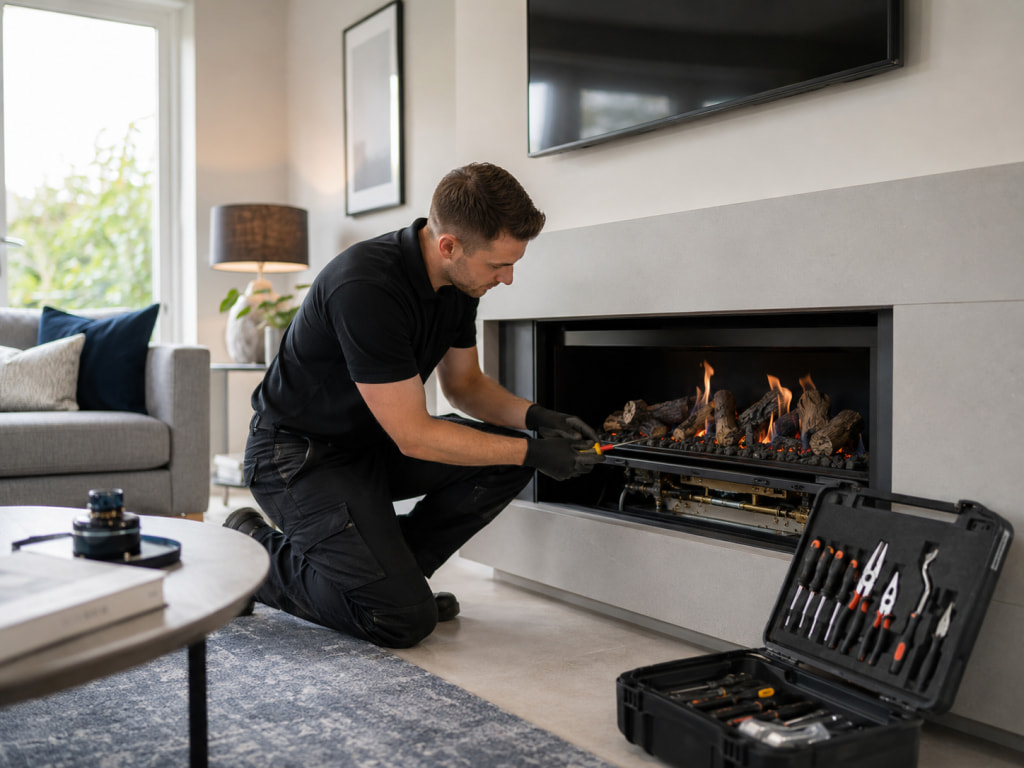
Gas fires sit in the middle ground. They are far easier to maintain than wood-burning stoves or open fires, but they do carry a legal obligation for annual servicing that electric fires do not.
What Makes Gas Fires Relatively Low Maintenance
The appeal of a gas fire is real flames at the press of a button, with none of the effort of cutting, storing, and burning wood. There is no ash to remove, no logs to buy, and no kindling to prepare. You simply turn it on, enjoy the warmth and flame effect, and turn it off when you are done.
Modern gas fires are also highly reliable. A well-installed gas fire from a reputable manufacturer will operate consistently for years without significant issues, particularly when it is serviced on schedule.
The Annual Gas Fire Service: What Is Involved and Why It Matters
Under UK law, all gas appliances must be maintained in a safe condition. While there is no specific legal requirement for an annual service (unlike landlord gas safety checks, which are mandatory), the manufacturer warranty on virtually every gas fire requires annual servicing to remain valid. More importantly, annual servicing is essential for safety.
A Gas Safe registered engineer’s annual service typically includes:
- Inspecting and cleaning the burner assembly
- Checking the pilot light and ignition system
- Examining all gas connections and seals for leaks
- Testing flue draw to confirm combustion gases are venting correctly
- Checking the flame picture and heat output
- Inspecting the fire surround and firebox for cracks or damage
- Testing the thermostat and remote control operation
- Issuing a service record
The service typically takes between one and two hours and should be booked every twelve months. Our fireplace services team includes Gas Safe registered engineers who carry out thorough gas fire servicing across Leicester and the Midlands.
Chimney Sweeping for Gas Fires
If your gas fire uses a conventional flue (venting through an existing chimney), that chimney should be swept at least once a year. Even though gas burns cleaner than wood, a conventional flue can still accumulate debris, bird nests, and moisture-related deposits that restrict airflow and reduce efficiency.
Balanced flue gas fires, which vent through an external wall rather than a chimney, still need their terminal checked annually to confirm it is clear and unobstructed, but they do not require chimney sweeping in the traditional sense.
Flueless gas fires require no sweeping at all, as they use a catalytic converter to clean combustion gases before they are released back into the room.
Day-to-Day Gas Fire Maintenance
Between annual services, gas fire upkeep is minimal:
Cleaning the glass front. The glass on a gas fire can develop a slight haze from combustion residue over time. A specialist fireplace glass cleaner (not standard household glass cleaner, which can damage the glass coating) keeps it clear. Do not clean the glass while the fire is hot.
Keeping the firebox clean. Dust and debris can accumulate around the coals, pebbles, or log fuel bed. A gentle vacuum with a soft brush attachment, when the fire is cold, is sufficient.
Checking for unusual smells or sounds. A sulphurous smell when the fire is running, or a popping or banging noise during ignition, are signs that the fire needs attention from a Gas Safe engineer sooner than the next scheduled service.
Testing the CO detector. Every home with a gas fire should have a working carbon monoxide detector placed near the appliance. Test it monthly.
Best For
Gas fires are the ideal choice for homeowners who want a real flame with good heat output and are happy to book one professional service per year. They suit both traditional and contemporary interiors and work well in homes with an existing chimney or access to an external wall for a balanced flue terminal.
Wood-Burning Stoves and Multi-Fuel Stoves: The Most Rewarding, Most Demanding Option

Let us be straightforward: wood-burning stoves and multi-fuel stoves are the most satisfying type of fireplace to own, and the most demanding to maintain. For the right homeowner, that is an entirely reasonable trade-off. For a busy household that wants something effortless, it is worth knowing exactly what you are committing to.
Why Stoves Require More Maintenance
Burning solid fuel is a combustion-intensive process that produces substantial byproducts. Wood releases creosote, tar, soot, and water vapour as it burns. These byproducts travel up the flue and, if the stove is not burning at the correct temperature or the wood is not sufficiently dry, they condense on the inside of the flue liner and accumulate over time. This is what creates the need for regular chimney sweeping and close attention to fuel quality.
Daily and Weekly Stove Maintenance
Running a wood-burning stove well requires some routine effort every time you use it:
Ash removal. A small amount of ash in the base of the firebox actually helps the stove burn more efficiently, as it insulates the fire bed. However, ash builds up over time and needs to be removed regularly using an ash pan or shovel. Allow ash to cool completely before disposal, as it can retain heat for many hours.
Glass cleaning. Stove glass can blacken with soot relatively quickly, particularly if the fire is run at too low a temperature or with damp wood. Most modern stoves have an air-wash system that keeps the glass clear during normal use, but periodic cleaning with stove glass cleaner or a damp cloth with a small amount of ash keeps it clear.
Checking door seals. The rope seal around the stove door is critical for controlling the air entering the firebox. A damaged or compressed seal allows too much air in, which reduces efficiency and can cause the fire to burn too hot. Check the seal every few months by closing the door on a piece of paper and trying to pull it out. If it slides out easily, the seal needs replacing.
Fuel selection and storage. Only burn properly seasoned or kiln-dried wood with a moisture content below 20 percent, carrying the Woodsure Ready to Burn logo. Wet or unseasoned wood burns inefficiently, produces excessive smoke and creosote, and can damage your stove and flue liner. Wood needs to be stored in a dry, ventilated space.
Annual and Periodic Stove Maintenance
Chimney sweeping. Stoves that are used regularly should be swept at least once a year, and ideally twice if the stove is in daily use throughout winter. A professional chimney sweep removes soot and creosote deposits from the flue liner, checks the liner for cracks or deterioration, and inspects the register plate and chimney pot. This is not optional. Blocked or degraded flues are a leading cause of chimney fires.
Annual stove inspection. An experienced stove engineer should inspect the firebox, baffle plate, firebricks, and door seals annually. The baffle plate (which sits above the firebox and directs flue gases) can warp or crack over time and needs periodic replacement. Firebricks can crack from thermal stress and should be replaced when damaged.
Flue liner inspection. Depending on the age and condition of your liner, a periodic inspection using a CCTV camera is advisable to check for cracks, corrosion, or creosote accumulation. If you are unsure about the condition of your liner, our guide on when to replace a flue liner provides clear guidance on what to look for.
Breaking in a new stove correctly. When a stove is first installed, it must be broken in with a series of small, low-temperature burns over the first few uses. This cures the paint finish and allows the rope seals to settle into position. Skipping this stage can cause the paint to blister and the seals to fail prematurely.
Our services team provides chimney sweeping, stove inspections, and repair services for all major stove brands across the East Midlands.
Best For
Wood-burning stoves are best suited to homeowners who genuinely enjoy the ritual of building and tending a fire, have appropriate fuel storage space, and are willing to invest time in regular maintenance. They provide unmatched atmosphere and the highest heat output of any domestic fireplace type.
Open Fires: The Most High-Maintenance Option
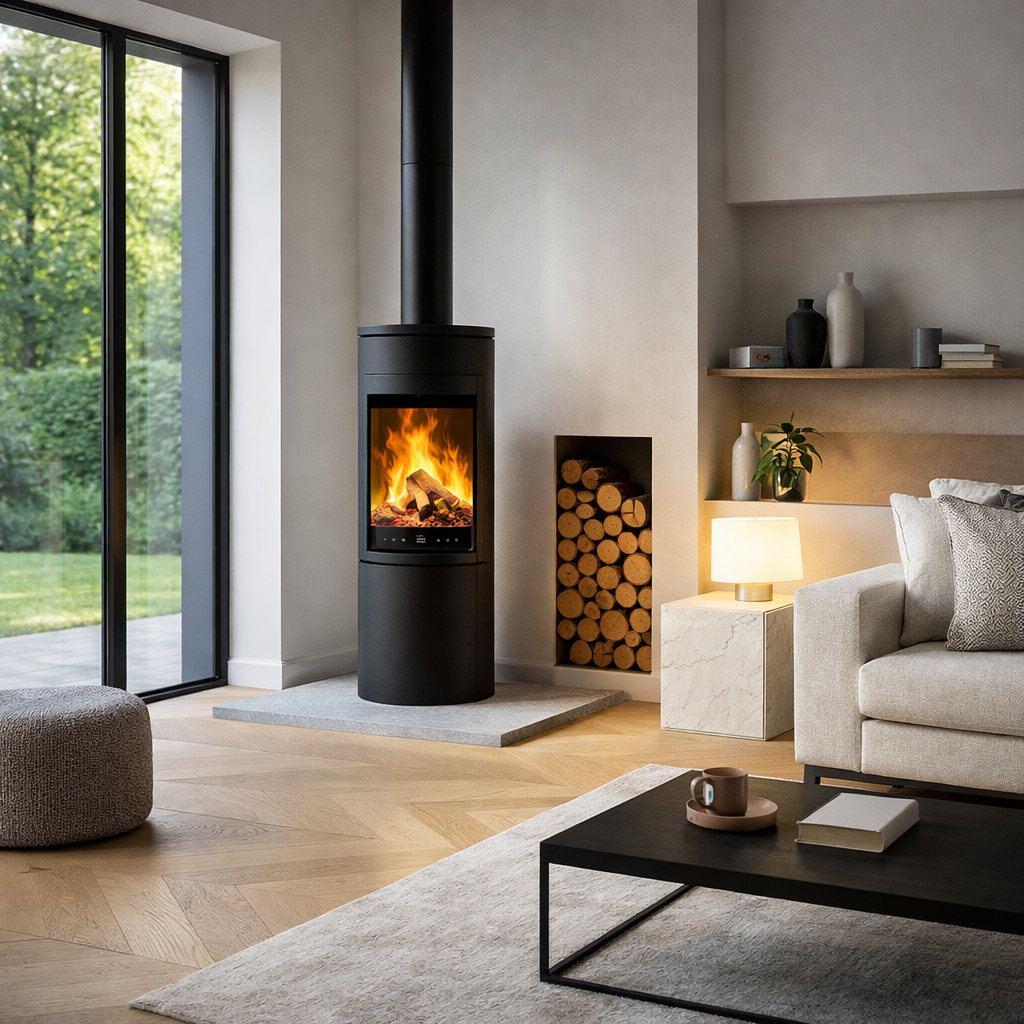
For completeness, it is worth addressing traditional open fires, as many older properties in Leicester and the Midlands still have them. Open fires are the most demanding of all fireplace types to maintain and, in terms of heat efficiency, the least effective.
An open fire loses the majority of its heat straight up the chimney. Chimney sweeping is required at least twice a year for regularly used open fires. The fireplace opening needs clearing after every use, and the chimney and surround accumulate soot and smoke staining over time.
If you have an existing open fire and are considering upgrading, fitting an inset gas fire or a wood-burning stove into the opening dramatically improves both efficiency and reduces ongoing maintenance requirements. Visit our surrounds range to see how the existing opening can be transformed into something beautiful.
Maintenance Comparison at a Glance
| Maintenance Task | Electric Fire | Gas Fire | Wood Burning Stove | Open Fire |
|---|---|---|---|---|
| Annual professional service | Not required | Yes (Gas Safe) | Yes (stove engineer) | Recommended |
| Chimney sweeping | Not required | Annually (conv. flue) | 1 to 2 times per year | Twice per year |
| Ash removal | Never | Never | After every use | After every use |
| Glass cleaning | Occasional dusting | Periodic | Regular | Regular |
| Fuel storage needed | No | No | Yes | Yes |
| Day-to-day effort | Minimal | Minimal | Moderate to high | High |
| Estimated annual maintenance cost | Low | Medium | Medium to high | High |
How to Reduce Maintenance on Any Fireplace
Whichever type of fire you choose, there are steps you can take to keep maintenance requirements as low as possible:
Buy a quality appliance from a reputable brand. Cheaper fires may seem attractive upfront, but they are often built to narrower tolerances that result in faster wear, more frequent repairs, and higher long-term costs. Blue Oak works with leading brands including Stovax, Gazco, Flamerite, Onyx, Burley, and Elgin and Hall, all of which are known for their build quality and reliability.
Have it installed correctly from the start. A poorly installed fire creates maintenance problems that follow you for the life of the appliance. A correct installation, using the right flue liner size, the right seals, and the right hearth materials, means the fire performs as designed from day one.
Service on schedule, not when something goes wrong. Reactive maintenance is always more expensive than scheduled servicing. An annual Gas Safe service that catches a failing seal costs a fraction of what it costs to repair damage caused by a gas escape.
Use the right fuel. For stoves, burning wet wood or unauthorised solid fuels causes accelerated creosote buildup, stove damage, and flue deterioration. Only use Woodsure-certified fuel.
Keep a carbon monoxide detector in place and tested. A CO detector does not reduce maintenance requirements, but it is the single most important safety measure for any gas or solid fuel appliance.
Which Fireplace Is Right for You?
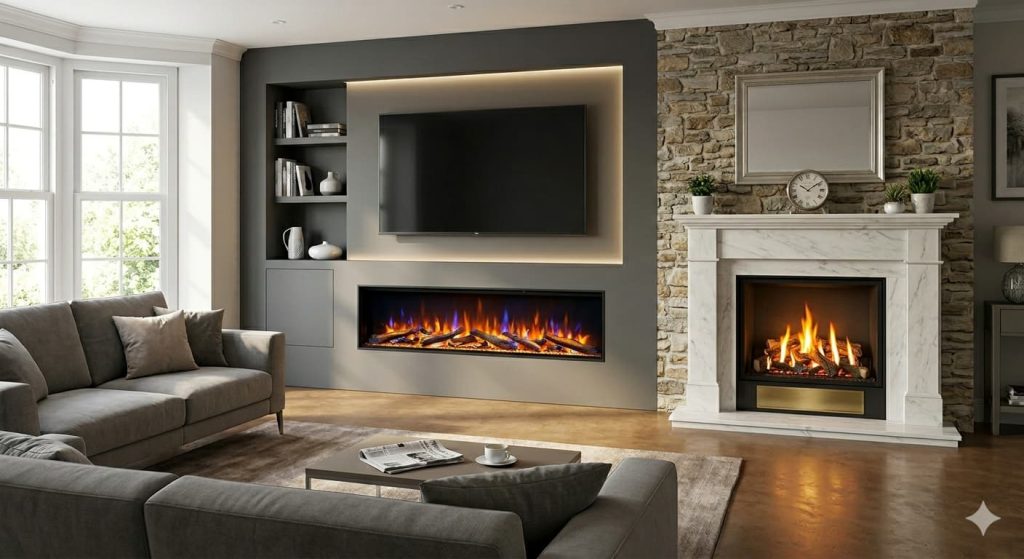
Here is a simple framework to help you decide:
Choose an electric fire if you want the absolute minimum maintenance, you have no chimney, you are installing a media wall, or you live in a flat or rented property.
Choose a gas fire if you want real flames and strong heat output, you are happy to book one annual service, and you have an existing chimney or access to an external wall.
Choose a wood-burning stove if you love the authentic experience of a real fire, you have outdoor fuel storage space, and you are willing to invest time in regular upkeep.
Not sure which is right for you? Visit our showroom in Syston, where you can see all three types in person and speak to our experts. You can also browse our full range of completed installations in our case studies for inspiration.
Whatever you choose, Blue Oak Fireplaces handles everything from design and supply through to professional installation and ongoing servicing, all under one roof.
Get in touch today to book your free consultation.
Frequently Asked Questions
What is the easiest fireplace to maintain?
An electric fire is the easiest fireplace to maintain by a significant margin. Because electric fires produce no combustion, they require no chimney sweeping, no annual gas service, and no ash removal. The only regular upkeep needed is occasional dusting of the glass front, cleaning the air intake grilles, and a periodic check of the power cable. For homeowners who want warmth and atmosphere with the absolute minimum effort, an electric fire is the clear choice.
Do electric fires need to be serviced?
Electric fires do not require annual professional servicing in the same way that gas fires or wood-burning stoves do. There is no Gas Safe or HETAS obligation attached to electric fires. However, it is good practice to have any electrical appliance checked periodically if you notice a change in performance, unusual smells, or any damage to the cable or plug. Beyond that, basic cleaning and visual checks are all that most electric fires need throughout their working life.
How often does a gas fire need to be serviced?
A gas fire should be serviced annually by a Gas Safe registered engineer. While UK law does not impose a strict legal requirement for homeowner annual servicing (this is mandatory for landlords), virtually every gas fire manufacturer requires annual servicing to keep the warranty valid. More importantly, annual servicing is essential for safety. A Gas Safe engineer will inspect the burner, flue, seals, and ignition system to confirm everything is operating safely and efficiently. Skipping a service can result in the gradual development of issues that are difficult and expensive to rectify.
How often does a wood-burning stove chimney need sweeping?
A wood-burning stove chimney should be swept at least once a year, and ideally twice if the stove is used daily throughout the heating season. The National Association of Chimney Sweeps recommends sweeping before the start of each burning season and again mid-season for heavy users. Regular sweeping removes creosote and soot deposits that accumulate inside the flue liner. These deposits are a leading cause of chimney fires if left to build up. Our chimney sweeping service covers homeowners across Leicester and the wider Midlands.
Can I have a low-maintenance fireplace without a chimney?
Yes. Electric fires require no chimney at all and are a completely low-maintenance option suitable for any room in the house. Balanced flue gas fires also work without a traditional chimney, venting through an external wall instead. These still require annual servicing by a Gas Safe engineer but do not need chimney sweeping. If you want real flames with minimal upkeep and no chimney, a balanced flue gas fire is an excellent option. Flueless gas fires are another alternative, using a catalytic converter to clean combustion gases, though these have a lower heat output than conventional gas fires.
Is a gas fire or electric fire cheaper to maintain?
Electric fires are cheaper to maintain in ongoing servicing costs because they do not require annual professional servicing. A gas fire annual service with a Gas Safe engineer typically costs between £60 and £120 depending on location and the complexity of the appliance. Over ten years, that is a meaningful difference. However, gas fires generally cost less to run per hour of heat produced, as gas is typically cheaper per kilowatt-hour than electricity. The total cost of ownership depends on how often you use the fire and which factor, servicing costs or running costs, has more impact on your specific usage pattern.
What maintenance does a wood-burning stove need?
A wood-burning stove requires the most maintenance of any domestic fireplace type. On a day-to-day basis, you will need to remove ash from the firebox regularly, keep the glass clean using stove glass cleaner, and monitor the door rope seal for wear. Annually, the stove should be inspected by an experienced engineer who will check the baffle plate, firebricks, door seals, and flue draw. The chimney must be swept at least once a year, and ideally twice for regular users. Additionally, you need to store and manage your fuel supply, ensuring you are only burning properly seasoned or kiln-dried wood with a moisture content below 20 percent.
How do I keep my gas fire glass clean?
Gas fire glass should be cleaned using a specialist fireplace glass cleaner rather than standard household products, which can damage the high-temperature glass coating. Allow the fire to cool completely before cleaning. Apply the cleaner to a soft cloth and wipe gently in circular motions. For heavier deposits, a small amount of fine ash on a damp cloth can help lift stubborn marks. The glass on a well-serviced gas fire with a correctly burning flame should not develop heavy deposits under normal operating conditions. If you find the glass is consistently blackening quickly, it may indicate that the fire needs a service to correct the flame picture.
Does a media wall fireplace require much maintenance?
A media wall that incorporates an electric fire requires very little maintenance, as the electric fire element has no combustion components to service. The surrounding structure, built from calcium silicate board or similar fire-resistant materials, is essentially a permanent fixture that requires no ongoing upkeep beyond normal decorating and cleaning. If your media wall incorporates a gas fire instead of an electric one, the gas fire element will still need annual servicing by a Gas Safe engineer. You can explore our media wall range to see the different options available and discuss the best choice for your home.
What is the most important safety check for any fireplace?
The most important safety measure for any gas or solid fuel fireplace is ensuring a working carbon monoxide detector is installed near the appliance and tested regularly. Carbon monoxide is odourless and colourless, and even a small leak from a poorly maintained gas fire or a blocked flue can be fatal. Beyond the CO detector, annual professional servicing (Gas Safe for gas fires, a qualified engineer for stoves) and regular chimney sweeping are the cornerstones of fireplace safety. For electric fires, checking that the cable and plug are undamaged and that the air vents are clear is the main safety consideration.
How do I know if my fireplace needs servicing sooner than scheduled?
There are several warning signs that your fireplace needs attention before its next scheduled service. For gas fires, these include a yellow or orange flame when it should be blue, an unusual smell when the fire is running, difficulty igniting the pilot light, or the fire cutting out unexpectedly. For stoves, watch for excessive smoke entering the room, a stove that is difficult to light or keep alight, a cracked or damaged door glass, or a door that no longer closes firmly. For any fireplace type, if your CO detector alarm sounds, evacuate the property and call the Gas Emergency Service on 0800 111 999 immediately. You can contact our services team to book an inspection if you have any concerns about your appliance.
Blue Oak Fireplaces serves homeowners across Leicester, Syston, and the wider East Midlands. Visit our showroom at 1159 Melton Road, Syston, LE7 2JS, or call us on 0116 373 4193 to speak to one of our experts.
