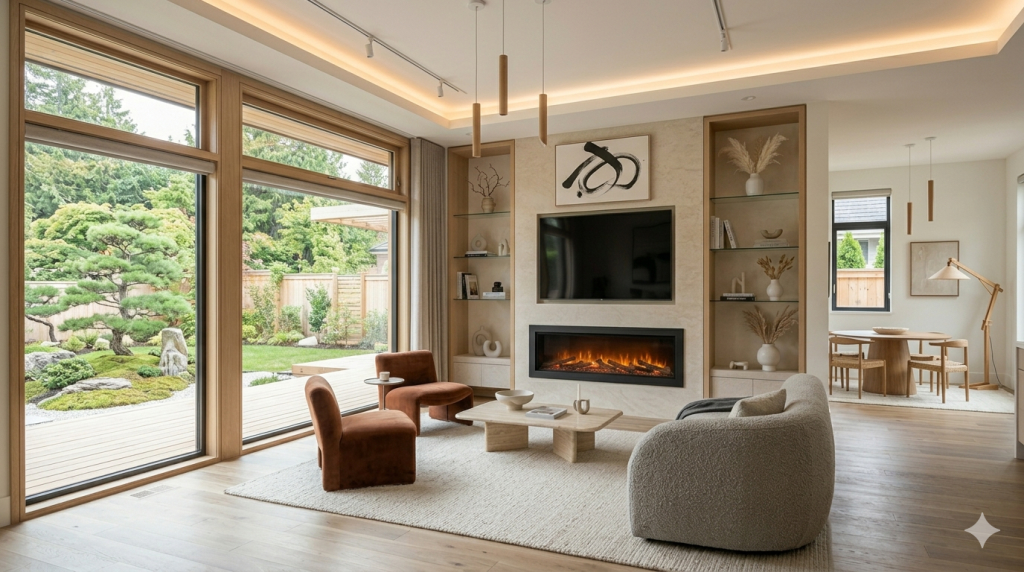
If you are investing in a new fireplace, one of the first questions on your mind is likely: how long does a fireplace last? It is a completely reasonable thing to ask. A fireplace is not a small purchase. It shapes how your living room looks, how your home feels in winter, and how efficiently you heat the spaces your family uses most.
The answer depends on which type of fireplace you have, how well it is installed, how regularly it is maintained, and how heavily it is used. For most UK homeowners, a well-chosen and well-maintained fireplace will deliver anywhere from 10 years to well over 100 years of service, depending on the appliance type and the materials involved.
This guide breaks down the lifespan of every major fireplace type available to UK homeowners in 2026, the factors that affect longevity, the warning signs that your fireplace is reaching the end of its life, and how to extend the life of your appliance through good maintenance habits.
Whether you are planning a new installation, assessing an existing appliance, or weighing up whether to repair or replace, the information below will give you everything you need to make a confident, informed decision.
How Long Does a Fireplace Last? A Quick Overview by Type
Before going into detail, here is a clear summary of average fireplace lifespans by appliance type:
| Fireplace Type | Average Lifespan |
|---|---|
| Brick or stone masonry fireplace | 50 to 100+ years |
| Prefabricated (factory-built) fireplace | 20 to 30 years |
| Gas fire or gas fireplace | 10 to 20 years |
| Wood burning stove | 20 to 25+ years |
| Multi-fuel stove | 15 to 20+ years |
| Electric fire | 10 to 20 years |
| Bioethanol fire | 10 to 15 years |
| Flue liner (stainless steel) | 15 to 20 years |
| Brick or stone chimney | 50 to 100+ years |
These are averages, not guarantees. Quality of manufacture, installation standard, usage frequency, and maintenance routine all influence exactly how long your fireplace will last in practice.
How Long Does a Gas Fire or Gas Fireplace Last?

A gas fire is typically the most convenient heating appliance a UK homeowner can install. It lights instantly, requires no fuel storage, and can be controlled with a remote or wall switch. But how long does a gas fireplace last?
A standard gas fire in a UK home will typically last between 10 and 20 years. The Gas Safe Register and most fireplace manufacturers suggest an annual service as the single most important factor in achieving the upper end of that range. Without regular servicing, gas fires can develop problems with the burner, pilot light, thermocouples, and seals that accelerate wear and can become safety hazards.
Factors that affect how long a gas fireplace lasts include:
Installation quality. A gas fire installed to the correct specifications by a Gas Safe registered engineer will always outlast a poorly installed unit. Bad installation can put undue stress on components from day one.
Usage frequency. A gas fire used as a primary heat source throughout the heating season will wear faster than one used occasionally as a supplementary heat source or for ambience only.
Type of gas fire. Balanced flue gas fires, which draw air directly from outside through a sealed system, tend to be more durable than open-flued models because they are less affected by indoor air quality and draught variations.
Brand and build quality. Premium gas fires use higher-grade burners, controls, and seals that naturally last longer than entry-level alternatives. This is one area where investing more upfront often pays dividends in appliance longevity.
Signs that your gas fire is approaching the end of its life include pilot light problems that recur after servicing, a noticeably weaker flame pattern, unusual smells during operation, persistent ignition faults, and an appliance that no longer heats the room as efficiently as it once did. At Blue Oak Fireplaces, our gas fires range spans everything from classic hole-in-the-wall designs to contemporary balanced flue models from leading manufacturers. If your current gas fire is reaching the end of its service life, our showroom in Syston, Leicester is the ideal place to see the latest options in person. Browse our gas fires range for inspiration.
How Long Does a Wood Burning Stove Last?
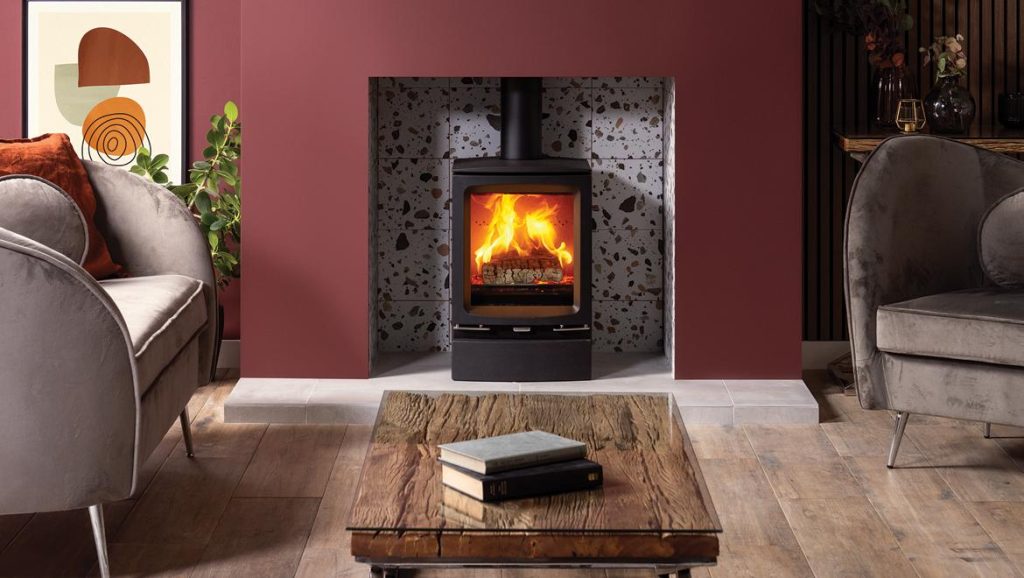
Wood burning stoves are among the most durable domestic heating appliances available. When someone asks how long does a fireplace last in the context of a solid fuel stove, the answer is often surprisingly reassuring. A well-built wood burning stove made from high-quality cast iron or steel will typically last 20 to 25 years, and many premium models exceed this with appropriate care. Cast iron stoves in particular are known for their exceptional durability, with some examples in UK homes remaining in excellent working order for 30 years or more.
The main body of a quality stove is designed to withstand extreme and repeated thermal cycling (heating up and cooling down). What tends to need attention over time is not the stove body itself but the internal consumable components:
Firebricks. The refractory bricks lining the interior of the firebox protect the stove body from direct flame contact. Over time, these can crack or crumble, especially if the stove is consistently overfired. Replacing firebricks is a straightforward and inexpensive job, and it does not mean the stove itself needs replacing.
Door rope seal. The woven fibre seal around the stove door keeps the appliance airtight, which is essential for controlling the burn rate. Rope seals typically need replacing every two to five years depending on usage.
Baffle plate. The baffle plate sits at the top of the firebox and directs combustion gases to maximise heat extraction. Baffle plates can warp or corrode over time, particularly if the stove is regularly overfired or the wrong fuel is used.
Glass panel. The ceramic glass in the door can crack if struck or subjected to sudden thermal shock (such as adding cold, wet wood to a very hot stove). Replacement glass panels are widely available and simple to fit.
None of these component replacements indicate that the stove itself is failing. They are normal maintenance items, much like replacing brake pads on a car. The stove body, flue connection, and air controls can remain perfectly serviceable for decades.
Key factors affecting wood burning stove lifespan include using kiln-dried or well-seasoned wood with moisture content below 20%, operating the stove at appropriate temperatures rather than overfiring, keeping the flue swept at least once a year, and replacing consumable parts promptly when they show wear.
You can explore our full range of wood burning and multi-fuel stoves at Blue Oak Fireplaces, including both cast iron and steel models from manufacturers with proven track records for durability.
How Long Does a Multi-Fuel Stove Last?
Multi-fuel stoves follow a similar lifespan trajectory to wood-burning stoves, though the additional mechanical components involved in their grate system (including riddling bars, ashpans, and raised grate assemblies) introduce a few more parts that may need replacement over the years.
A quality multi-fuel stove will typically last 15 to 20 years, with premium models from reputable manufacturers often lasting longer. The grate bars are subject to significant thermal stress when burning smokeless fuels, which burn hotter and for longer than wood. Grate bars may need replacement every five to ten years depending on usage and the fuels used most frequently.
As with wood burning stoves, the body of the appliance is the most durable component. Door seals, baffle plates, firebricks, and grate components are all replaceable at a fraction of the cost of a new stove, meaning the appliance as a whole can remain in service well beyond the point at which individual parts first need attention.
How Long Does an Electric Fire Last?

Electric fires are popular across UK homes because they require no flue, no gas connection, and no fuel delivery. They can be installed in virtually any room, and the range of designs available in 2026 is broader than ever, from wall-mounted panels to inset log-effect models and full media wall electric fires.
How long does an electric fire last in practice? Most electric fires will deliver between 10 and 20 years of reliable service. The heating element is the component most likely to reach the end of its life first, typically lasting between 10,000 and 30,000 hours depending on the model and usage. For a fire used two to three hours per day in the heating season, this translates to many years of use before the element requires attention. The flame effect LED lighting used in most modern electric fires has a very long service life, often rated at 50,000 hours or more, meaning it will outlast most other components in the appliance.
Factors that affect electric fire lifespan include dust accumulation in the heating element and fan, the quality of internal components, how hard the thermostat and fan work in normal use, and how carefully the appliance is treated (avoiding impacts, keeping ventilation slots clear, not running the appliance at maximum output continuously for extended periods).
Some manufacturers recommend assessing an electric fire for replacement around the eight to ten year mark, particularly if it is showing signs of reduced heat output, flickering or dimming flame effects, unusual noises from the fan, or intermittent electrical faults.
At Blue Oak Fireplaces, our electric fires range includes wall-mounted models, inset electric fires, and electric fires designed for media wall installations. If your existing electric fire is ageing, our team can help you find a modern replacement that delivers better efficiency, improved flame realism, and smarter controls.
How Long Does a Bioethanol Fire Last?
Bioethanol fires are a relatively recent addition to the UK market. They burn liquid bioethanol fuel without the need for a flue or chimney and produce a real, clean flame with no ash or smoke. They are particularly popular in urban apartments and modern open-plan homes where installing a flue is impractical.
The burner unit in a bioethanol fire typically lasts 10 to 15 years with proper care. The surrounding frame, surround, or housing can last considerably longer if it is well made and properly maintained. Stainless steel and tempered glass components are the most durable. Painted or lacquered surfaces may need attention over time if exposed to the heat of the burner.
Bioethanol burners do require regular cleaning to remove carbon deposits, and the fuel should always be the correct grade to avoid clogging or corrosion of the burner mechanism.
How Long Does a Brick or Masonry Fireplace Last?
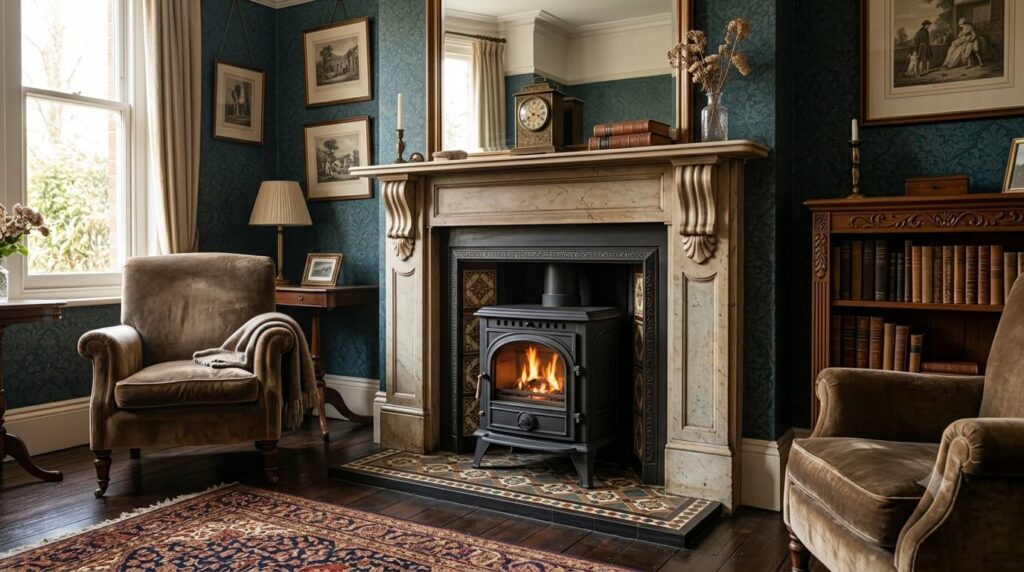
This is where the answer to “how long does a fireplace last” becomes genuinely impressive. A well-built brick or stone masonry fireplace, complete with a properly constructed chimney breast, can last 50 to 100 years or more. In fact, many Victorian and Edwardian homes across Leicester and the wider Midlands still have their original masonry fireplaces in functional or restorable condition after more than a century of use.
The longevity of a brick fireplace comes from the inherent durability of the materials. Fired clay brick and lime mortar are both highly heat-resistant, non-combustible, and very slow to deteriorate under normal conditions.
However, it is important to understand that “the fireplace” in this context refers to the masonry structure. The appliances within it (the gas fire insert, the wood-burning stove, the electric fire) have their own, shorter lifespans as described above. The chimney and firebox can outlast several generations of heating appliances over the course of a century.
Areas of a masonry fireplace that may need attention over time include:
Mortar pointing. The mortar between bricks can deteriorate over decades, especially in areas exposed to weathering above the roofline. Repointing is a relatively straightforward repair that can extend the life of a chimney by many more decades.
Chimney flue lining. Original clay liners in older properties can crack or deteriorate over time. Installing a stainless steel flue liner is now a Building Regulations requirement for most new stove and fire installations and also protects and extends the functional life of the chimney. For more information, read our guide on when to replace a flue liner.
Fireback and firebox. The cast iron fireback at the rear of a traditional open fireplace can crack over decades of thermal cycling. Replacement firebacks are available and installation is straightforward.
How Long Does a Flue Liner Last?
The flue liner is one of the most important and most overlooked components of any fireplace system. It is the inner tube that runs through the chimney and carries combustion gases safely from the appliance to the open air above the roofline.
Stainless steel flue liners, which are the standard for most modern stove and fire installations, typically last 15 to 20 years. The grade of steel used makes a significant difference. A single-skin flexible steel liner used for a gas appliance will have a different service life from a twin-wall rigid liner used for a wood-burning stove, which operates at higher flue temperatures.
Signs that a flue liner may need replacing include unusual drafting behaviour (the fire is difficult to draw or smoke spills back into the room), visible deterioration if the liner is accessible, and recommendations following a CCTV chimney survey by a HETAS-registered professional.
Clay liners in older chimneys can develop cracks over decades, particularly following a chimney fire or prolonged exposure to acidic combustion products from wet wood. If you have an older property with an unlined chimney, our team can advise on the most appropriate liner specification for your appliance and usage. You can also read our dedicated guide on when to replace a flue liner for a complete breakdown of the signs and options.
Factors That Affect How Long a Fireplace Lasts
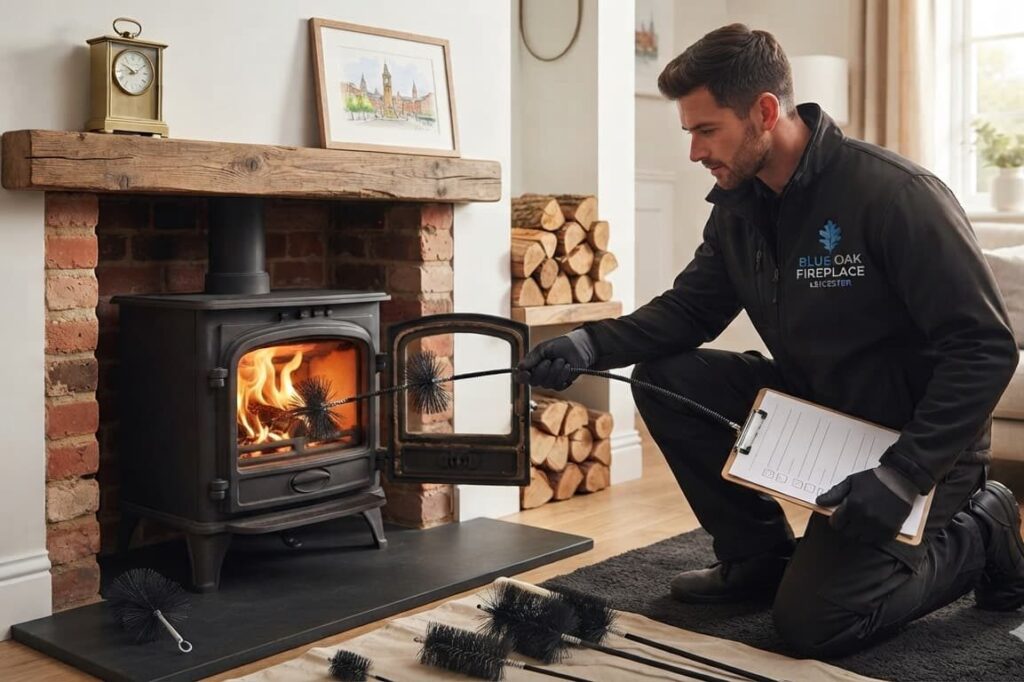
Regardless of the appliance type, several universal factors influence fireplace lifespan. Understanding these helps you make decisions that will extend the life of your investment.
Quality of the Appliance
A fireplace made by a reputable manufacturer using premium materials will always outlast a cheaper equivalent. Cast iron and high-grade steel stoves, commercial-grade burner assemblies in gas fires, and LED systems with long-rated lifespans in electric fires all contribute to a longer service life. When comparing options at our showroom, we always help customers understand the quality differences between models at different price points, not just the aesthetic ones.
Quality of Installation
A fireplace installed to the correct specification, with the right flue liner, hearth, register plate, and ventilation provision, will always perform better and last longer than one that has been poorly fitted. Installation errors create ongoing stress on components, can affect combustion quality, and in serious cases can create safety hazards. All of our installations at Blue Oak Fireplaces are carried out by HETAS-registered engineers with full compliance certification.
Frequency and Intensity of Use
A stove used for four to six hours every day throughout a long winter heating season will experience more thermal cycling than one used occasionally. This is not a reason to avoid using your fireplace, but it is a reason to stay on top of maintenance, particularly annual sweeping and servicing.
Fuel Quality
This is the single biggest controllable factor for solid fuel appliance lifespan. Burning wet, unseasoned, or inappropriate wood in a wood burning stove causes creosote accumulation in the flue, increased particulate deposition in the firebox, reduced combustion temperatures, and accelerated wear on internal components. Always use kiln-dried or well-seasoned wood with moisture content below 20%. Look for the Woodsure Ready to Burn certification on bagged logs.
For gas appliances, ensuring the appliance is connected to the correct gas supply pressure and that the burner settings are properly calibrated at installation protects the burner from premature wear.
Maintenance and Servicing
No appliance lasts as long without regular attention as it would with it. For gas fires, annual servicing by a Gas Safe registered engineer is a legal and practical necessity. For solid fuel stoves, annual (or twice-annual for heavy users) chimney sweeping and a periodic stove service covering the door seal, baffle, and internal components will dramatically extend appliance life.
For electric fires, keeping the ventilation slots free of dust and addressing any faults promptly will ensure the heating element and fan motor deliver the maximum possible service life.
Signs Your Fireplace Is Reaching the End of Its Life
Knowing the warning signs that a fireplace or stove is deteriorating helps you act before a minor issue becomes a safety risk or an expensive emergency.
For gas fires: recurring pilot light failures that return after servicing; a noticeably weaker or uneven flame pattern; unusual odours during operation; yellow or orange flames that should be blue (indicating incomplete combustion); higher-than-expected gas consumption for the heat produced; and ignition faults that recur despite component replacement.
For wood burning and multi-fuel stoves: warping or cracking of the stove body; door seals that fail repeatedly within a short period; baffle plates that warp within one or two seasons; significant corrosion of the outer panels; air controls that no longer seal properly and cannot be adjusted; and glass that repeatedly cracks without clear cause (which can indicate overfiring damaging the door frame alignment).
For electric fires: reduced heat output despite the thermostat being set high; flickering, dimming, or permanently failed flame effect; unusual buzzing, clicking, or grinding from the fan motor; intermittent total failure; and burning smells from the heating element.
For brick fireplaces and chimneys: spalling or crumbling brickwork around the firebox; deteriorated mortar joints in the chimney stack above the roofline; smoke entering the room during normal operation; visible cracks in the firebox lining or fireback; and water staining inside the breast suggesting chimney damp ingress.
If you notice any of these signs, the first step is a professional inspection by a qualified engineer. Many issues that appear serious are entirely repairable at reasonable cost. Others may indicate that a replacement appliance or a new installation is the more practical and cost-effective solution.
When to Repair vs. When to Replace Your Fireplace
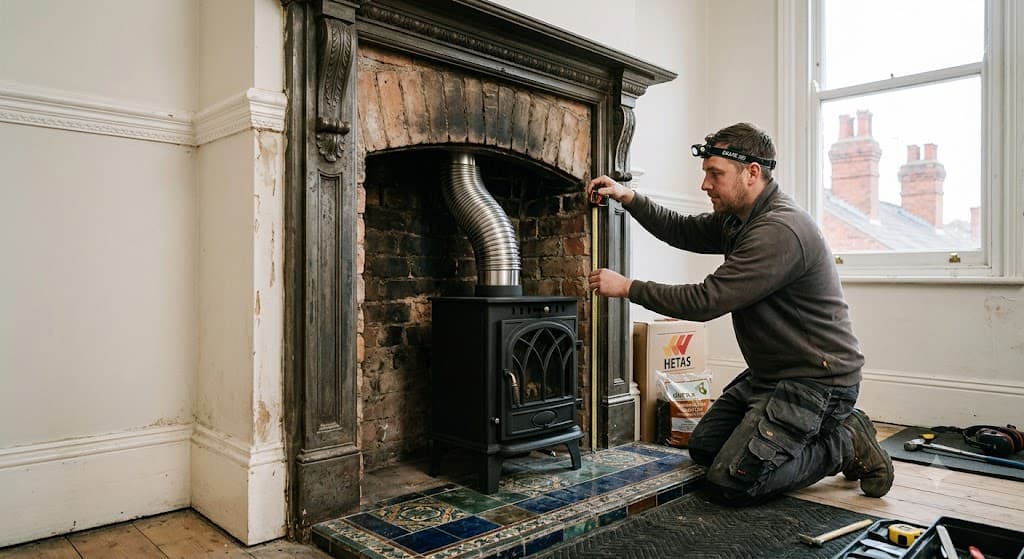
One of the most common questions our team at Blue Oak Fireplaces fields is whether to repair an ageing appliance or invest in a replacement. The answer depends on a few key considerations.
Repair makes sense when: the appliance is relatively young (within the first half of its expected lifespan), the fault is isolated to a replaceable component such as a door seal, baffle, or burner part, the cost of repair is modest relative to the remaining life expectancy, and spare parts are still readily available from the manufacturer.
Replacement makes more sense when: the appliance is approaching or has exceeded its expected lifespan, repair costs are approaching 50% or more of the replacement cost, the appliance no longer complies with current Ecodesign 2022 or Gas Safe regulations, spare parts are no longer available, or you are experiencing repeated failures across multiple components.
In many cases, replacing an older appliance is not just a practical decision but an opportunity. Modern gas fires, wood burning stoves, and electric fires are significantly more efficient, more attractive, and better specified than appliances from 10 to 15 years ago. Upgrading can reduce fuel consumption, improve heat output, and give your living room a completely refreshed focal point.
You can find inspiration for replacement options across our product ranges, including gas fires, electric fires, stoves, and media wall fireplaces. For broader design inspiration before committing to a type, our modern fireplace ideas guide is a great starting point.
How to Extend the Life of Your Fireplace
Whether your fireplace is brand new or several years old, a consistent maintenance routine is the most reliable way to extend its service life and keep it operating safely and efficiently.
Book an annual service. For gas fires, this is a legal requirement and must be carried out by a Gas Safe registered engineer. For solid fuel appliances, an annual chimney sweep combined with a stove service covering the door seal, baffle, firebricks, and air controls is the most important step you can take. For electric fires, annual inspection of the heating element, fan, and connections will catch minor issues before they become failures.
Use the right fuel. For wood burning stoves, this means kiln-dried or well-seasoned logs only, with a moisture content below 20%. For gas fires, ensure the appliance is connected to the correct gas type (natural gas or LPG) and that supply pressure is correct. For electric fires, simply ensure the appliance is not being run beyond its rated output for extended periods.
Do not overfire. Running a solid fuel stove at excessively high temperatures to heat a room quickly causes accelerated wear on firebricks, baffle plates, door seals, and the stove body itself. Learn to use your air controls to maintain a steady, efficient burn rather than an intense short-lived one.
Address faults promptly. A cracked firebrick, worn door seal, or sticking air control left unaddressed leads to more significant problems. Small maintenance jobs completed promptly are always cheaper than major repairs resulting from neglect.
Keep the surround clean and the hearth clear. Combustible materials near the appliance are a safety risk. Keeping the hearth clear and the surround clean of dust and debris also reduces the risk of heat damage to the surrounding structure over time.
Have the chimney swept regularly. For solid fuel appliances, at least once a year and ideally twice a year for heavy users. For gas appliances with a flue, annual inspection is still recommended to check for blockages and flue integrity.
Choosing a New Fireplace That Lasts: What to Look For

If you are in the market for a new fireplace and longevity is a priority, there are several things worth looking for when comparing options.
For gas fires, look for models with established manufacturer track records, five-year or longer warranties on the main body, and easy spare parts availability. Balanced flue systems offer excellent longevity because they are sealed from the room air and less susceptible to draft variations.
For wood burning stoves, cast iron models from reputable European manufacturers are typically the most durable choice. Look for a minimum five-year warranty on the body, Ecodesign 2022 compliance, and DEFRA approval if you live in a Smoke Control Area. Our guide to modern fireplace ideas for UK homes covers the full range of stove styles currently available.
For electric fires, look for LED flame technology (rather than older halogen systems), reputable brands with good spare parts availability, and models with a strong warranty covering the heating element and controls.
For all appliance types, the quality of installation matters as much as the quality of the appliance itself. Always use a qualified, registered installer, whether that is a Gas Safe engineer for gas fires or a HETAS-registered installer for solid fuel stoves.
Why Choose Blue Oak Fireplaces for Your Next Installation?
At Blue Oak Fireplaces, we have been helping homeowners across Leicester and the Midlands choose, supply, and install fireplaces for decades. Our three-storey showroom at 1159 Melton Road, Syston, Leicester is one of the largest in the region, with live displays across gas fires, electric fires, wood burning stoves, multi-fuel stoves, and media wall fireplaces.
Every appliance we supply is sourced from manufacturers with proven quality and longevity track records. Our installation team is fully HETAS-registered for solid fuel appliances and Gas Safe registered for gas installations. We handle everything from the initial consultation and home survey through to installation, commissioning, and aftercare, so you can be confident that your new fireplace will last for the full extent of its expected service life and beyond.
For more advice on choosing the right fireplace type for your home, explore our product ranges including gas fires, electric fires, stoves, media walls, and surrounds.
Visit us at 1159 Melton Road, Syston, Leicester, LE7 2JS, or call us on +44 116 373 4193 to book a consultation or showroom visit.
Frequently Asked Questions
How long does a fireplace last on average?
The average lifespan of a fireplace depends heavily on its type. A brick or stone masonry fireplace can last 50 to 100 years or more with proper maintenance. A gas fire typically lasts 10 to 20 years. A wood burning stove from a reputable manufacturer will generally last 20 to 25 years, with cast iron models often exceeding this. An electric fire delivers around 10 to 20 years of use, while a bioethanol fire burner unit typically lasts 10 to 15 years. In every case, how long a fireplace lasts is significantly influenced by how well it is maintained and how it is used day to day.
How long does a gas fire last?
A gas fire in a typical UK home will last between 10 and 20 years, with the upper end achievable through annual servicing by a Gas Safe registered engineer, correct installation, and moderate usage. Balanced flue gas fires tend to be more durable than open-flued models because they are sealed from the room environment. Signs that a gas fire may need replacing include recurring pilot light failures, a weakening flame, unusual smells during operation, and reduced heat output despite the controls being set correctly.
How long does a wood burning stove last?
A quality wood burning stove made from cast iron or high-grade steel will typically last 20 to 25 years, and many premium stoves exceed this with proper care. The stove body itself is extremely durable. Internal components such as firebricks, baffle plates, door rope seals, and glass panels are consumable items that need periodic replacement, but replacing them does not mean the stove is at the end of its life. The biggest factors affecting wood burning stove lifespan are using only dry, quality wood (moisture content below 20%), not overfiring the appliance, and keeping the flue swept at least annually.
How long does an electric fire last?
An electric fire will typically deliver between 10 and 20 years of reliable service. The heating element, which is the component most likely to fail first, generally lasts 10,000 to 30,000 hours of operation. The LED flame effect systems used in modern electric fires are rated for much longer, often exceeding 50,000 hours. Keeping ventilation slots clear of dust, not running the appliance at maximum output continuously, and addressing any faults promptly will help maximise the lifespan of an electric fire. Some manufacturers recommend assessing an electric fire for replacement around the 8 to 10 year mark.
What reduces the lifespan of a fireplace?
Several factors can significantly shorten how long a fireplace lasts. Burning wet or inappropriate fuel in a solid fuel stove is one of the biggest causes of premature wear, leading to creosote buildup, increased firebox temperatures, and damage to internal components. Poor installation by an unqualified engineer creates ongoing mechanical stress on appliance components. Neglecting annual servicing allows minor faults to escalate into major ones. Overfiring a solid fuel stove by consistently running it at excessively high temperatures accelerates deterioration of firebricks, baffle plates, and door seals. For gas fires, failing to have the appliance serviced annually by a Gas Safe engineer is the most common cause of premature failure.
Is it worth repairing an old fireplace or replacing it?
Whether to repair or replace depends on the age of the appliance, the cost of the repair relative to a new installation, and whether replacement parts are still available. As a general guide, if the repair cost is below 30 to 40% of the replacement cost and the appliance is within the first half of its expected lifespan, repair usually makes sense. If the appliance is approaching or has exceeded its expected service life, if multiple components are failing simultaneously, or if spare parts are no longer available, replacement is usually the more practical and cost-effective decision. Replacing an older fireplace also offers the opportunity to upgrade to a more efficient, more attractive, and more compliant appliance.
How often should a fireplace be serviced?
Gas fires must be serviced annually by a Gas Safe registered engineer. This is a legal requirement as well as the most effective way to extend the life of the appliance. Wood burning and multi-fuel stoves should have the chimney swept at least once a year (twice a year for heavy users) and benefit from an annual stove service covering door seals, baffle, firebricks, and air controls. Electric fires benefit from an annual check of the heating element, fan, and ventilation, and should be assessed by a qualified engineer if any faults develop. Keeping up with servicing not only extends appliance life but is also important for keeping home insurance valid, as many policies require evidence of annual chimney sweeping for solid fuel appliances.
How long does a chimney last?
A brick or stone chimney that is well built and properly maintained can last 50 to 100 years or more. Victorian and Edwardian chimneys across Leicester and the Midlands regularly remain structurally sound after more than a century of use. However, the mortar pointing may need renewal every 20 to 30 years, and the flue liner (whether clay or stainless steel) has a shorter lifespan than the brickwork itself. A stainless steel flue liner will typically last 15 to 20 years depending on the grade of steel and the type of appliance it serves. Prefabricated metal chimney systems (common in new-build homes without traditional chimney stacks) typically last 20 to 30 years.
Does a fireplace add value to a home?
Yes. A high-quality, well-maintained fireplace is widely regarded as a desirable feature that can add value to a UK property. Research has consistently shown that buyers prioritise homes with working fireplaces, particularly in the current climate of rising energy costs where supplementary heating is increasingly valued. A modern, well-installed fireplace in good condition is a selling point, while an old, neglected, or non-functional one can become a concern for prospective buyers. Investing in a quality appliance, a good installation, and regular maintenance protects both the appliance and its contribution to your property value over the long term.
Can a fireplace last 100 years?
Yes, but only in specific circumstances. A solid brick or stone masonry chimney and firebox, properly constructed and regularly maintained with repointing and flue liner renewal as needed, can absolutely remain structurally sound and functional for 100 years or more. Many original Victorian fireplaces in UK homes are living proof of this. However, the heating appliances within those fireplaces (gas fires, stoves, electric fires) have much shorter individual lifespans and will be replaced several times over the course of a century. It is more accurate to say that the masonry structure of a fireplace can last 100 years, while the appliance within it will need replacing one or more times during that period.
Ready to install a new fireplace or replace an ageing appliance? Visit Blue Oak Fireplaces at 1159 Melton Road, Syston, Leicester, LE7 2JS, or call our team on +44 116 373 4193. You can also explore our full range of gas fires, electric fires, stoves, and media wall fireplaces online today.