
A fireplace brings genuine warmth and character to a home, but it also comes with responsibilities that are easy to overlook once the initial excitement of a new installation settles down. Whether you have a wood-burning stove, a gas fire, or an electric appliance, following a proper fireplace safety checklist protects your home, your family, and the appliance itself for years to come. This guide covers everything a Leicester homeowner should know, from installation through to daily use and ongoing maintenance.
Start With Professional Installation

Safety begins before the fire is ever lit. A poorly installed appliance, whether that’s incorrect flue sizing, inadequate ventilation, or unsafe clearances from combustible materials, creates risk that no amount of careful daily use can fully offset. Always use a qualified, certified installer for any new fireplace, and insist on a proper site survey beforehand. Our guide to what actually happens during fireplace installation in Leicester explains exactly what a thorough, safety focused installation process should look like.
Check Certifications and Qualifications
Not every tradesperson is qualified to work on every type of appliance. Gas fires must be installed and serviced by a Gas Safe registered engineer by law, while wood burning and multi fuel stoves should be fitted by a HETAS registered installer to meet current building regulations. Always ask to see certification before work begins, and keep any paperwork provided afterward, since this documentation matters for insurance purposes as well as safety.
Install Working Carbon Monoxide Alarms
A carbon monoxide alarm is one of the single most important safety devices in any home with a solid fuel or gas appliance. Carbon monoxide is colourless and odourless, meaning it can build up without any obvious warning signs until it becomes dangerous. Alarms should be positioned in the same room as the appliance and tested regularly, with batteries replaced as needed. This is a step we always discuss during any fireplace installation, since it’s a genuinely non negotiable part of safe fireplace ownership.
Book Annual Servicing Without Fail
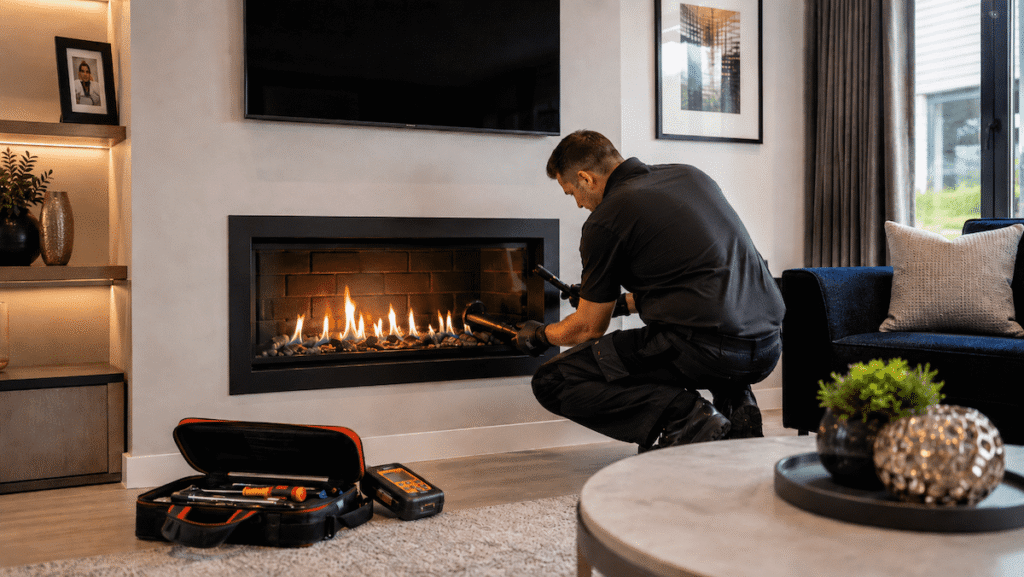
Every fireplace type benefits from regular professional servicing, though the specifics differ by fuel. Gas fires require an annual safety check by a Gas Safe registered engineer, covered in detail on our gas fire servicing in Leicester page. Wood burning stoves need regular chimney sweeping, ideally once or twice a year depending on usage, alongside a broader inspection of seals, firebricks, and the flue itself. Skipping servicing is one of the most common ways small issues turn into serious safety hazards.
Understand Chimney and Flue Maintenance
A neglected chimney is one of the leading causes of house fires linked to fireplaces, primarily due to creosote buildup in wood burning systems. Creosote is highly flammable and accumulates more quickly when burning damp or unseasoned wood, or when a stove is regularly run on a low, smouldering burn. Regular sweeping, alongside burning properly seasoned fuel, significantly reduces this risk. Our wood burning stoves guide explains what proper fuel and flue maintenance actually looks like in practice.
Keep the Hearth Area Clear
Combustible items, rugs, furniture, curtains, and decorations should always be kept a safe distance from any working fireplace, following the specific clearance guidelines for your appliance type. It’s surprisingly easy for a rug to creep closer over time, or for a new piece of furniture to be placed without considering heat clearance, so it’s worth periodically checking that nothing has encroached on the safe zone around your fire.
Use a Fireguard Around Young Children and Pets

A properly fitted fireguard is essential in any household with young children or pets, creating a physical barrier between curious hands or paws and a hot appliance. This applies to wood burning stoves, gas fires, and even electric models with a heated glass front. Choosing a guard with an open mesh or bar design allows heat to still radiate into the room effectively while maintaining a genuine safety barrier.
Store Fuel Safely
Firewood should be stored away from the house where possible, or in a well ventilated area if kept indoors, since damp storage encourages mould and pest issues alongside reducing burn efficiency. Never store firewood, kindling, or fire lighters directly against the appliance itself, and keep any flammable liquids used for lighting fires well away from the fire once lit.
Know How to Handle Ash Safely
Ash can retain heat for far longer than it appears to from the outside, sometimes staying dangerously hot for 24 hours or more after a fire has apparently gone out. Always use a metal ash bucket with a lid to transport ash, and never empty it directly into a bin bag or combustible container until you’re certain it has fully cooled.
Understand Smoke Control Area Requirements
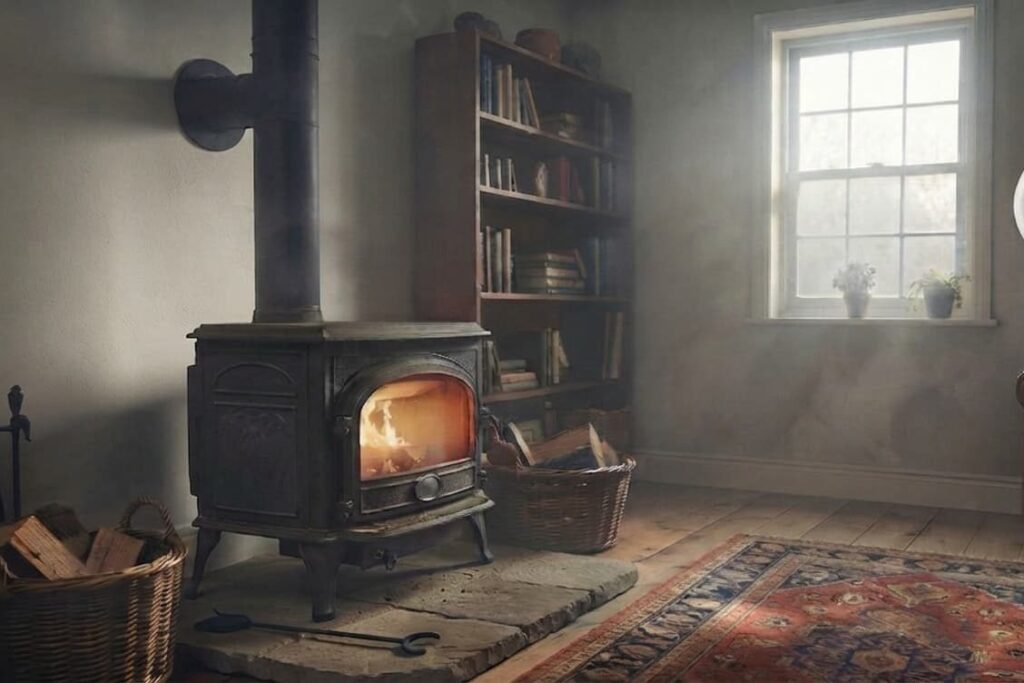
If your Leicester property falls within a designated smoke control area, only Defra exempt appliances can legally be used for burning wood or other solid fuels. Installing a non exempt appliance in these zones isn’t just a compliance issue, it can also indicate the appliance isn’t burning fuel as cleanly and safely as it should. Checking your property’s status with Leicester City Council before choosing a stove is an important part of responsible ownership.
Keep a Fire Extinguisher or Fire Blanket Nearby
While a well maintained fireplace rarely presents a serious fire risk, having a small fire extinguisher or fire blanket in the same room, or nearby in the kitchen, provides an important safety net. Make sure everyone in the household knows where it’s kept and how to use it, rather than assuming it will be obvious in an emergency.
Test Smoke Alarms Throughout the Home
Standard smoke alarms should be tested monthly and are just as important as carbon monoxide detectors, particularly in homes with a wood burning or multi fuel stove. Position alarms according to manufacturer guidance, typically on each floor and near sleeping areas, and replace batteries or units as recommended.
Consider Electric Fires for a Lower Risk Alternative
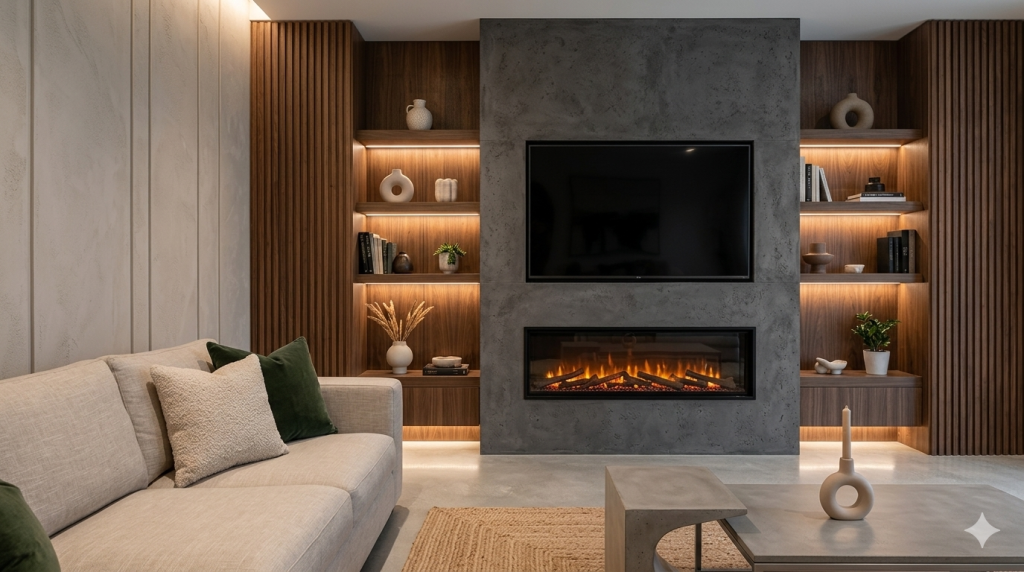
For households wanting the ambience of a fire with a reduced set of ongoing safety considerations, electric fires offer a genuinely strong alternative, since there’s no flue, no combustion, and no carbon monoxide risk to manage. Our electric fires range is worth considering if safety simplicity is a priority alongside style.
Get a Professional Safety Check If You’re Unsure
If you’ve moved into a property with an existing fireplace and aren’t sure of its history or condition, it’s always worth arranging a professional inspection before regular use. Our full range of fireplace safety checklist services includes safety checks, servicing, and chimney sweeping, giving you full confidence in an appliance you didn’t originally install yourself.
Why Visit Blue Oak Fireplaces?
Blue Oak Fireplaces helps homeowners explore gas fires, electric fires, stoves, media walls, surrounds and professional fireplace services. Visiting a showroom gives you the chance to compare styles, understand scale, view realistic flame effects and speak with a team that can guide you through the practical details.
Whether you want a traditional inset gas fire, a modern gas fireplace, a gas stove-style appliance or advice on whether gas or electric is better for your home, expert guidance can help you avoid costly mistakes and choose a fireplace that suits your space.
Whether you are planning a compact electric fires, a traditional gas fire, a wood burning stove or a modern media wall fireplace in Leicester, Blue Oak Fireplaces can help you choose a solution that suits your home and the way you live.
Final Thoughts
A safe fireplace is one that’s properly installed, regularly serviced, and used with a bit of ongoing common sense around fuel, ventilation, and household and ensures fireplace safety checklist. None of these steps are complicated, but together they make a genuine difference to how safely you can enjoy your fireplace for years to come. If you’d like a professional safety check or advice tailored to your specific home, get in touch with Blue Oak Fireplaces or visit our showroom to discuss your options in person.
Frequently Asked Questions
What is the most important fireplace safety device to have?
A carbon monoxide alarm is the single most important safety device for any home with a solid fuel or gas fireplace, since carbon monoxide is colourless and odourless and can build up without obvious warning signs.
How often should a chimney be swept for safety reasons?
Most chimneys should be swept at least once a year, and twice a year for wood or house coal, since regular sweeping removes flammable creosote buildup that is one of the leading causes of chimney fires.
Do gas fires need the same safety checks as wood burning stoves?
No, though both need regular professional attention. Gas fires require an annual safety check by a Gas Safe registered engineer, while wood burning stoves need chimney sweeping and a broader inspection of seals and firebricks.
Is it safe to leave ash in the fireplace overnight?
Ash can remain dangerously hot for 24 hours or more, so it should always be handled with care and stored in a metal ash bucket with a lid rather than being emptied into a bin bag while still warm.
How close can furniture be to a wood burning stove?
Safe clearance distances vary by appliance and manufacturer, so it’s important to follow the specific guidelines provided during installation rather than estimating, since combustible items placed too close present a genuine fire risk.
What should I check if I move into a home with an existing fireplace?
Arrange a professional inspection before regular use, since you won’t have visibility into the appliance’s installation history, chimney condition, or last service date, all of which matter significantly for safe operation.
