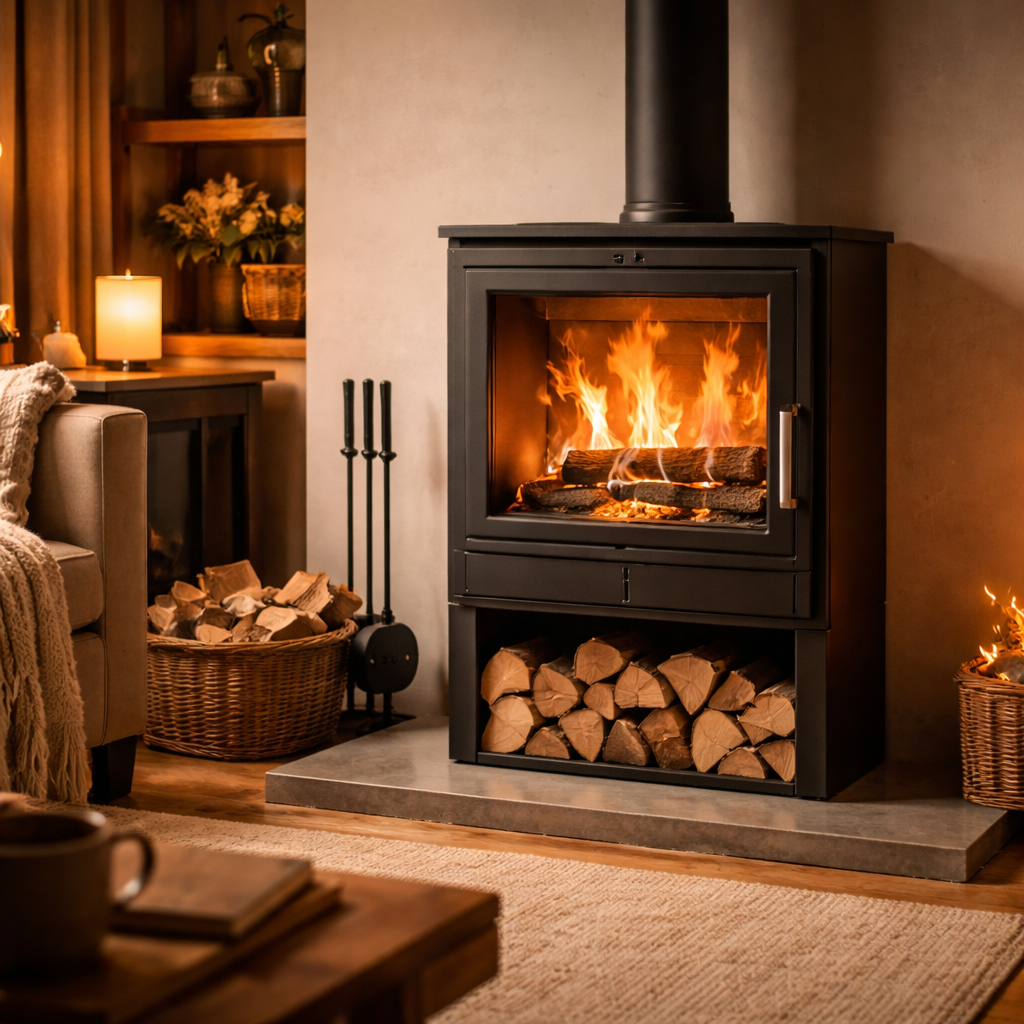
Wood burning stoves have become an increasingly popular choice for homeowners looking for an efficient, stylish, and sustainable heating solution. Combining traditional charm with modern technology, wood stoves provide reliable warmth while creating a cosy atmosphere in any living space.
Whether you are renovating your home or looking for an alternative heating source, understanding the benefits and considerations of wood burning stoves can help you make an informed decision.
What Are Wood Burning Stoves?
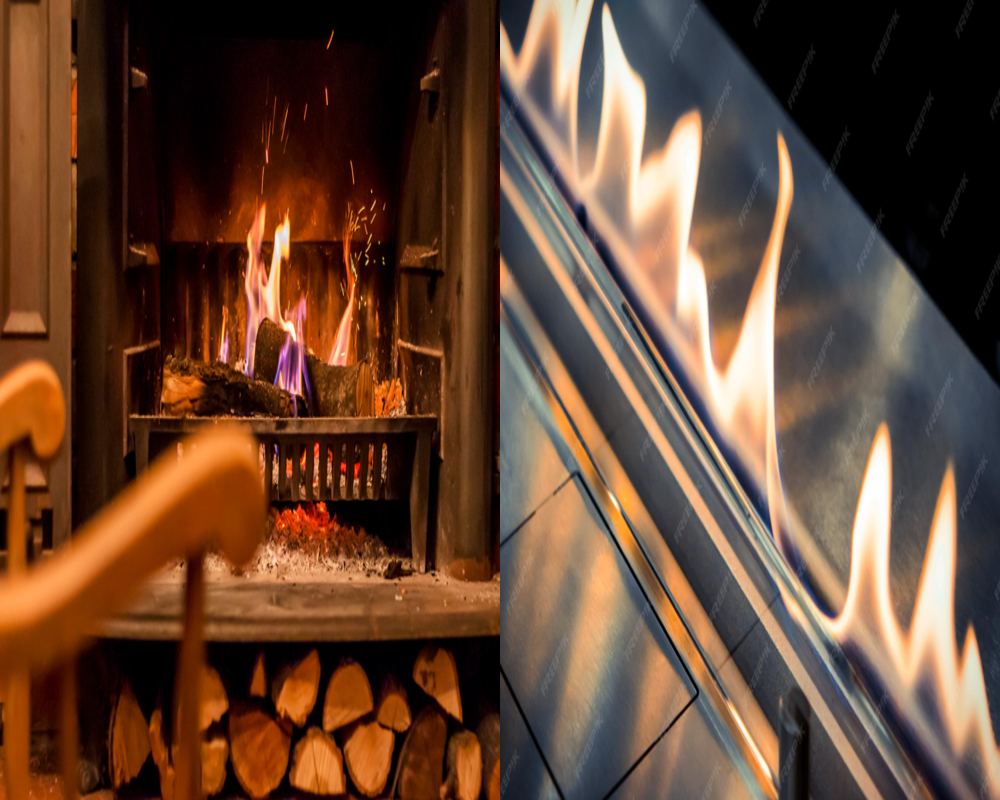
A wood burning stove is a heating appliance designed to burn wood fuel inside a sealed metal chamber. Unlike traditional open fireplaces, wood stoves are enclosed units that allow for better heat retention and improved energy efficiency.
Most modern wood burning stoves are made from cast iron or steel and are designed to distribute heat evenly throughout a room. They often include features such as air vents for combustion control, glass doors to view the flames, and advanced airflow systems that maximise fuel efficiency.
Because of their efficient design, wood burning stoves produce more usable heat while using less wood compared to open fireplaces.
Benefits of Wood Burning Stoves
There are many reasons why homeowners choose wood burning stoves as a heating solution.
Efficient Heat Output
One of the biggest advantages of wood stoves is their efficiency. Modern models are designed to burn wood more completely, producing a higher level of heat while minimising waste.
Unlike traditional fireplaces where much of the heat escapes through the chimney, wood burning stoves retain and radiate heat into the room, making them a practical option for heating living areas.
Cost-Effective Heating
In many regions, firewood can be a more affordable fuel source compared to gas or electricity. For homeowners with access to sustainable wood supplies, using wood burning stoves can help reduce heating costs during colder months.
Additionally, wood stoves can serve as a backup heat source during power outages, providing warmth even when other heating systems are unavailable.
Traditional Aesthetic
Beyond their heating performance, wood burning stoves add a distinctive aesthetic appeal to a home. The visible flames behind a glass door create a welcoming atmosphere that many homeowners enjoy.
Modern stove designs also come in various styles, allowing them to complement both traditional interiors and contemporary spaces.
Installation Considerations
Before installing a wood burning stove, there are several important factors to consider.
Chimney and Ventilation
A properly functioning chimney or flue system is essential for safe operation. The chimney allows smoke and gases to exit the home while maintaining proper airflow for combustion.
Professional installation is recommended to ensure the stove meets local building regulations and safety standards.
Room Size and Heat Output
Wood stoves are available in different sizes and heat capacities. Choosing the correct stove size for your room is important to avoid overheating or insufficient heating.
A qualified installer can help determine the appropriate wood burning stove size based on your room dimensions and insulation levels.
Maintenance and Care
Regular maintenance is essential for keeping wood burning stoves operating safely and efficiently.
Cleaning Ash and Debris
Ash should be removed periodically to maintain proper airflow inside the stove. Most models include removable ash pans to simplify this process.
Chimney Inspections
Chimneys should be inspected and cleaned regularly to prevent the buildup of creosote, a byproduct of wood combustion that can increase the risk of chimney fires.
Annual inspections by a professional chimney sweep are recommended for households that frequently use wood burning stoves.
Environmental Considerations
Modern wood-burning stoves are designed to burn fuel more cleanly than older models. Advanced combustion systems reduce smoke emissions and improve fuel efficiency.
Using properly seasoned wood also helps minimise emissions and ensures optimal stove performance. Many homeowners choose sustainably sourced firewood to reduce environmental impact.
Choosing the Right Wood Burning Stove
When selecting a wood burning stove, consider factors such as heat output, design, fuel efficiency, and installation requirements.
Some homeowners prefer compact stoves for small living spaces, while others opt for larger models capable of heating multiple rooms.
Modern wood burning stoves also offer various features such as airwash systems that keep the glass door clear, adjustable airflow controls, and high-efficiency combustion technology.
By selecting the right stove for your home and maintaining it properly, you can enjoy reliable warmth and the timeless comfort of a real fire.
Why Visit Fireplaces Leicester Showroom?
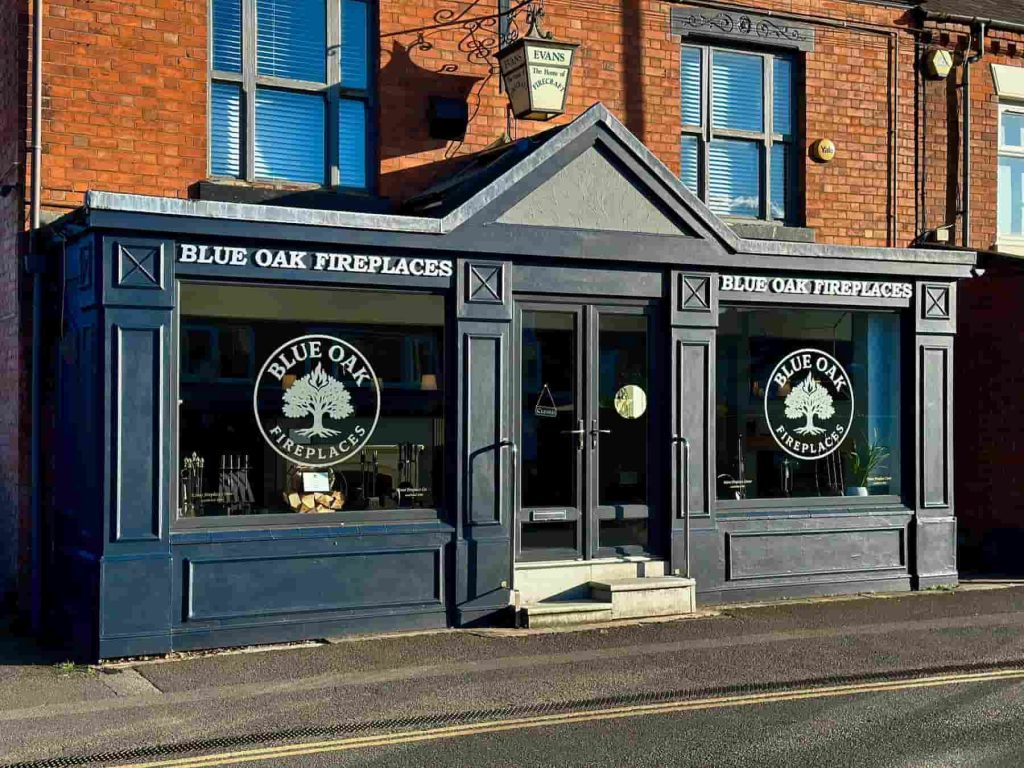
A fireplace showroom helps you see real scale, flame effect, finish quality and material choices. At Blue Oak Fireplaces in Syston, Leicester, homeowners can explore electric fires, gas fires, stoves, media walls and fireplace surrounds with guidance from an experienced team. The goal is not just to choose a good-looking fire, but to choose one that fits the room, performs well and feels right long term.
If you are unsure about size, bring measurements, room photos and any ideas you already like. This makes it easier to compare options and understand whether your room is better suited to an electric fireplace, gas fire, wood burning stove, multi-fuel stove or bespoke media wall.
Final Thoughts
Wood burning stoves remain one of the most effective and visually appealing ways to heat a home. Their combination of efficiency, cost-effectiveness, and traditional charm makes them a popular choice among homeowners.
With proper installation and regular maintenance, a wood burning stove can provide dependable heating for many years while creating a warm and inviting atmosphere in your home.
FAQs
Are wood burning stoves efficient?
Yes. Modern wood burning stoves can reach efficiency levels of 70–80%, making them significantly more efficient than traditional open fireplaces.
Do wood burning stoves heat an entire house?
A large wood burning stove can heat multiple rooms, but most are designed to effectively heat a single large living area.
How much does it cost to install a wood burning stove?
Installation costs vary depending on chimney requirements, ventilation, and stove type, but typically range between £1,500 and £4,000 in the UK.
Are wood burning stoves environmentally friendly?
Modern wood stoves produce fewer emissions than older models and are more efficient when used with properly seasoned wood.