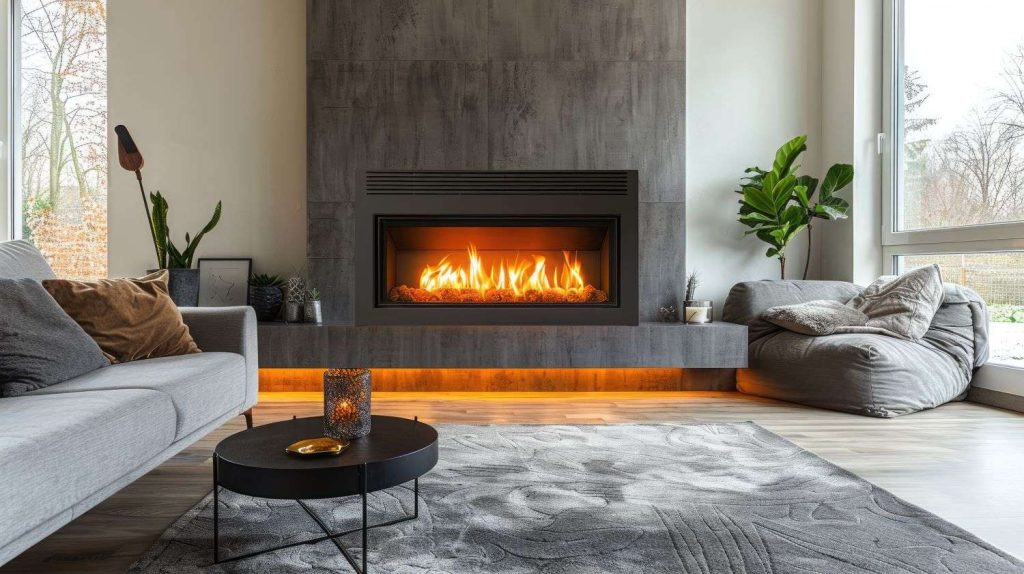
Are electric fires noisy? The useful answer is to listen to the exact model in the modes you plan to use. Sound can differ between the visual display, heating operation and any optional sound-effect feature. A product described as quiet may still be noticeable in a silent room.
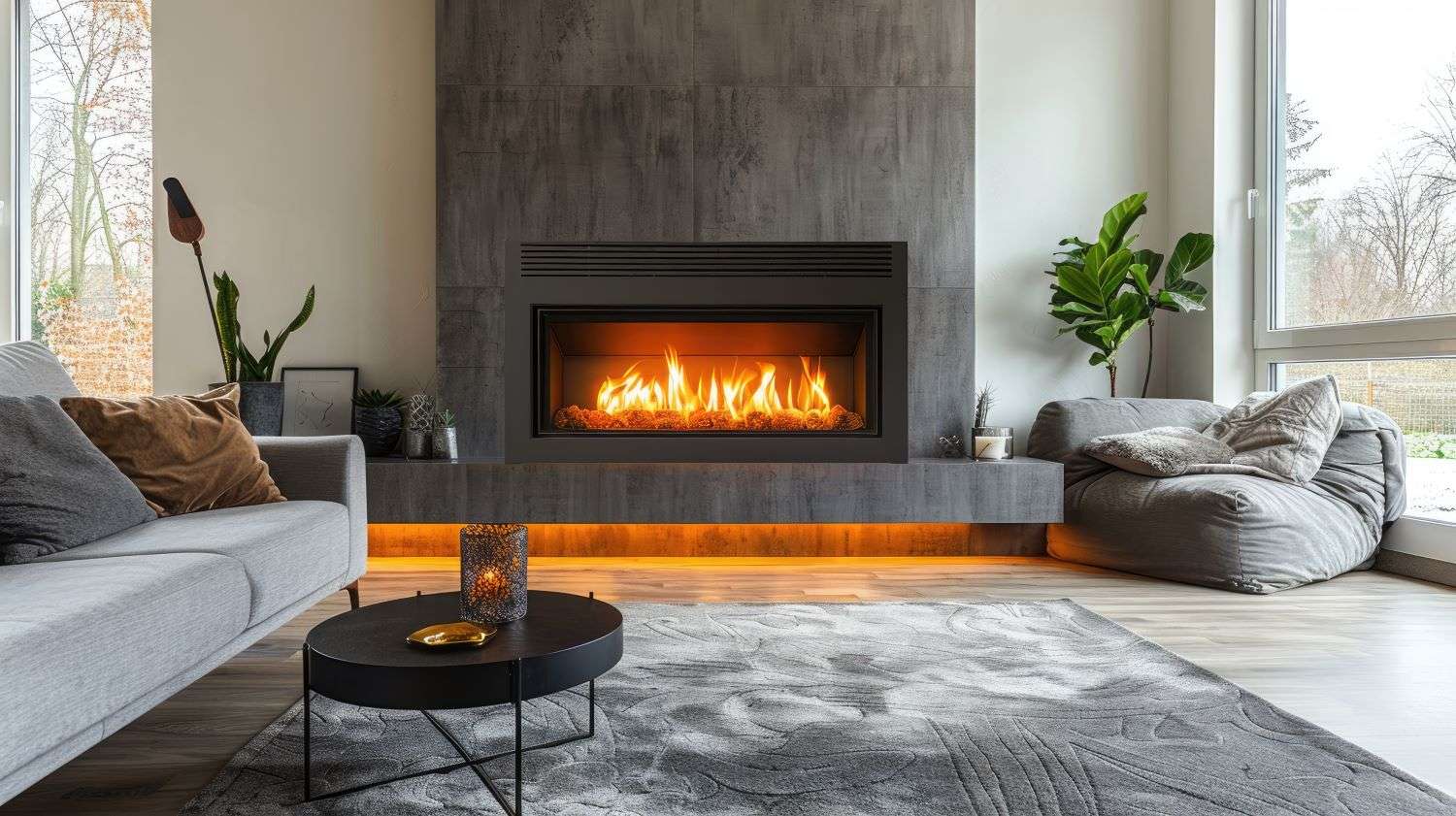
This guide is a buying checklist for comparing electric fires. It does not diagnose appliance faults or suggest opening the unit.
Are electric fires noisy: practical checklist
Are electric fires noisy in normal use? The useful answer depends on the operating mode, model and room, so listen to a demonstration rather than relying on a general description. Ask “are electric fires noisy with the heater switched off?” as a separate question from how the fan sounds while heating.
Decide what quiet means in your room
A fire in a busy family room may be heard differently from the same model in a reading room. Write down your usual activities: conversation, television, working from home or listening to music. Include whether you expect to use the fire mainly for appearance, warmth or both.
Consider your seating distance too. A showroom demonstration viewed while standing directly in front of a display is not the same experience as sitting across the room. Try to compare from a position that resembles your home layout.
Ask for a demonstration in separate modes
Begin with the display running in its normal visual setting. If the model allows independent heat control, ask to hear it with heat off and then on. Make notes using ordinary descriptions such as “noticeable during conversation” or “comfortable for reading”. These are personal observations, not laboratory measurements.
Ask whether there are multiple heat settings and whether their operation sounds different. Avoid assuming that every electric fire uses the same internal system or that a specification for one range applies to another.
Distinguish optional sound effects from operating sound
Some models deliberately add a fireside soundtrack. For example, the manufacturer’s Onyx Avita brochure describes adjustable crackling sound effects. A feature like this is different from the sounds associated with the appliance’s normal operation.
Ask the demonstrator to identify any optional sound feature and show how to turn it off. Then listen again. This prevents choosing or rejecting an appliance because a demonstration setting did not match the way you would use it at home.
Compare fairly, with similar background conditions
Background music and nearby conversations can mask appliance sound. If possible, ask for a quieter moment and compare shortlisted models without changing your position dramatically. Record the model name and selected mode beside each observation.
- Listen from your likely seating distance.
- Try a short period without speaking.
- Compare visual mode and heating operation where available.
- Ask which settings were active during the demonstration.
- Note any feature you would normally leave switched off.
A phone recording may help you remember a demonstration, but it is not a reliable sound-level test. Automatic microphone processing and the room itself can alter what the recording seems to show.
Discuss the proposed installation
A built-in appliance needs to be installed as specified by its manufacturer. Ask how the intended enclosure, openings and access arrangements will be handled. The retailer or installer should advise on the exact installation, rather than relying on generic advice to pack, cover or seal parts of the fire.
If you are planning a media wall, settle the appliance model before construction. Keep a record of the chosen specification and discuss routine access before the finished surface closes the structure.
Know what to do if sound changes later
Read the manual’s care instructions and keep the retailer’s aftercare contact details. A new or unusual sound, damaged cable, unexpected smell or change in operation should be raised through the appropriate support route. Stop using the appliance if its instructions or the circumstances call for it.
Do not remove covers, add material around internal components or attempt a repair based on a general buying guide. Describe when the sound occurs and which mode was selected; that information is more useful to support staff than an unsupported diagnosis.
Can a flame-only mode be completely silent?
Do not assume it is. Ask to hear the exact appliance and judge it in the context of your room and expectations.
Is the largest model always louder?
Size alone is not a dependable way to compare sound. Demonstrate the shortlisted models and ask about their actual features.
For a practical comparison, contact Blue Oak Fireplaces and ask which models can be demonstrated at the Syston showroom.