Introduction
Cost is usually the first question.
How much does fireplace installation cost to install a fireplace? Why do prices vary so much? What should I actually expect to pay?
The difficulty is that fireplace installation is not a single product with a fixed price. It is a combination of decisions, some visible, many not, that together shape both the cost and the outcome.
For homeowners in Leicester, understanding this properly is what separates a project that feels controlled from one that gradually becomes unpredictable.
Why There Is No Single Price
At a glance, it may seem like fireplace installation cost should be straightforward to price.
Choose a fireplace. Pay for installation. Job done.
In reality, the cost is influenced by several layers: the type of fireplace, the condition of the existing space, the level of structural work required, and the standard of finishing expected.
Each of these variables can shift the total significantly.
Two projects that appear similar at the outset can end up with very different costs, simply because one requires more preparation or a higher level of detail in the final finish.
The Importance of Finishing
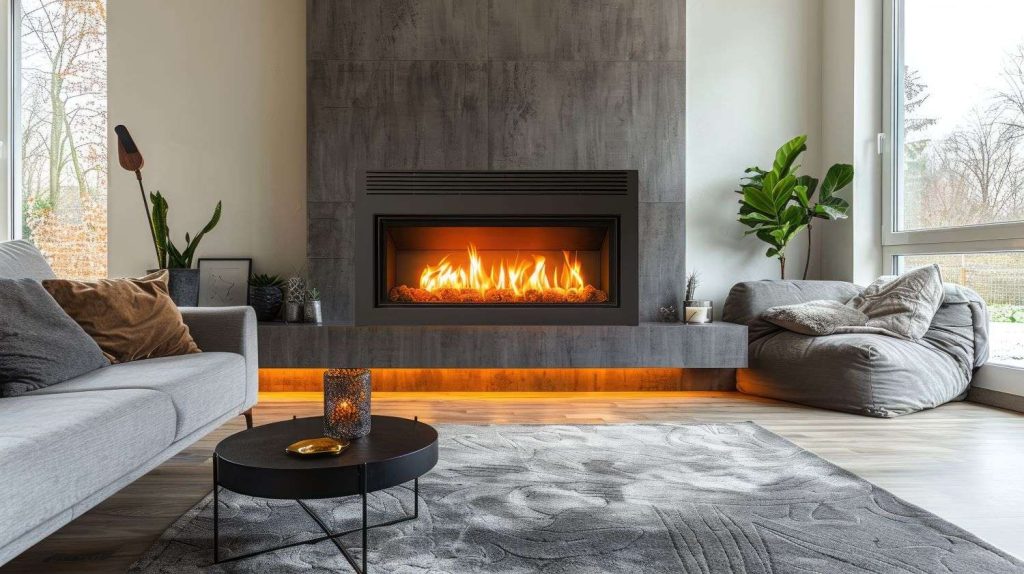
It is easy to focus on the fireplace itself. The model, the features, the appearance when switched on.
But once installed, it is the surrounding finish that defines how the fireplace feels in the room.
Edges need to be clean. Surfaces need to be even. Transitions between materials should feel deliberate, not accidental.
Rushed plastering, inconsistent paintwork or poorly aligned elements can reduce the impact of even the highest-quality fireplace.
A well-finished installation allows the fireplace to sit naturally within the room. Without that, it always feels slightly separate.
Fireplace Installation Is a Process, Not a Moment
There is a tendency to think of installation as a single step. The fireplace arrives, it is fitted, and the job is complete.
In reality, installation is a sequence.
Preparation comes first. This may involve removing existing features, adjusting wiring, or preparing the wall surface. Structural work may follow, particularly for media walls or inset fireplaces.
Only then does the fireplace itself get fitted.
After that comes finishing, and this is where the quality of the project becomes visible. Plastering, alignment, edge detail, and painting. These are not secondary steps. They are what define whether the fireplace feels integrated or simply attached.
The difference between average and premium is often found here.
The Three Broad Cost Levels
While every project is unique, most installations fall into three general categories.
A Simple Electric Installation
This is usually the most contained option.
The work typically involves positioning the fireplace, ensuring power is available, and finishing the surrounding area. There is minimal structural intervention, which keeps both time and cost relatively controlled.
This type of installation is common in newer homes or where a clean, straightforward upgrade is needed.
A Media Wall or Feature Installation
This introduces additional layers.
Structure needs to be built. Wiring must be integrated. The wall is finished, often with plaster or panelling. Alignment becomes critical.
At this level, the fireplace itself becomes part of a wider design, rather than a standalone feature.
Costs increase not just because of materials, but because of the time and precision required to achieve a cohesive result.
A More Complex or Technical Installation
Gas fireplaces, structural alterations or bespoke designs fall into this category.
Here, technical requirements become more significant. Certification, ventilation, and safety considerations all play a role. Coordination between different trades may be required.
These projects are less about installation alone and more about integration within the structure of the home.
The Costs You Don’t See at First
One of the reasons fireplace installation cost can feel unpredictable and is not immediately visible.
Preparation work, such as removing existing features or adjusting the wall structure, is often necessary before installation begins.
Electrical adjustments may be required to position power correctly. Finishing work, plastering, painting, detailing is essential for the final result but is not always included in initial estimates.
These elements do not stand out, but they are what transform an installation from functional to complete.
Why the Cheapest Option Rarely Feels the Best
It is natural to compare quotes and look for the most competitive option.
The challenge is that not all quotes represent the same scope of work.
A lower figure may exclude finishing, assume minimal preparation, or simplify aspects of the installation that later need to be addressed. By the time those elements are added back in, the total cost can exceed what a more comprehensive quote would have been.
More importantly, cost-cutting often shows in the final result.
Slight misalignments, uneven finishes, or visible compromises may seem minor at first, but they affect how the fireplace feels in the room every day.
Value is not just about what is paid. It is about what is achieved.
How to Approach Budgeting More Effectively
A more useful way to think about budget is to focus on the outcome rather than the individual components.
What should the room feel like once the fireplace is installed? How integrated should the feature be? What level of finish would feel complete rather than temporary?
From there, it becomes easier to understand where investment is needed.
Clarity at the beginning tends to reduce uncertainty later.
Questions Worth Asking Early
Before committing to a project, a few questions can make a significant difference:
Is all finishing included, or will it be handled separately? Who is responsible for electrical work? Are there assumptions about the condition of the wall or space? What happens if adjustments are needed during installation?
These questions do not complicate the process. They simplify it by removing ambiguity.
Cost vs Longevity
A fireplace is not a temporary addition.
Once installed, it becomes part of the room for years. Its impact is constant, not occasional.
This makes longevity more important than initial savings.
A well-executed installation that continues to feel right over time carries far more value than one that feels slightly compromised from the beginning.
Why Visit Blue Oak Fireplaces Before Choosing
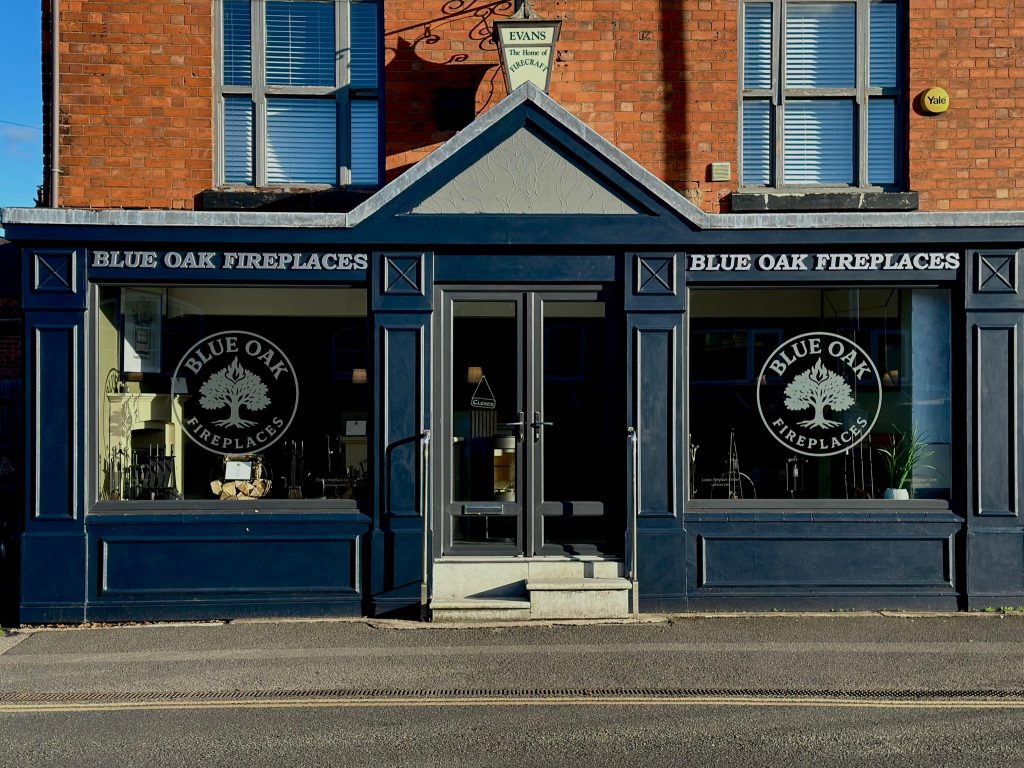
Seeing fireplace surrounds in person can make the decision much easier. Photos help with inspiration, but they do not always show true scale, depth, finish quality or flame effect. At Blue Oak Fireplaces, homeowners can explore fires, fireplaces, stoves, media walls and surrounds with expert advice from a team that understands both design and installation.
Blue Oak Fireplaces is based in Syston, Leicester, with a 3-storey showroom at 1159 Melton Road, Syston, Leicester, LE7 2JS. Visiting the showroom helps you compare materials, styles and fireplace types before committing to a design for your home
Final Thought
Understanding fireplace installation cost is less about finding a single number and more about understanding what that number represents.
It reflects decisions. Preparation. Precision. Finishing.
When those elements are handled well, the cost aligns with the outcome. The room feels complete. The fireplace feels natural.
And the investment makes sense, not just on paper, but in everyday use.